Is fitness your passion? Does healthy meal planning excite you? Do you feel called to help others improve their health and wellness by writing a blog?
Then you’ve come to the right place!
A health and wellness blog can give you a place to document your own journey ... or introduce your voice into the health and wellness conversation. They are also very effective at bringing new clients to a business, gym or studio.
The great thing about blogging is that you don’t have to be an expert already. A blog is a great way to document your learning journey, after all.
Start a health and wellness blog in 6 steps
Ready to get your blog going? Let’s go over each of the steps you’ll need below.
1. Own your story

With tons of health and wellness bloggers all contributing to the conversation, it’s crucial to understand and use your own authentic voice in order to stand out.
The easiest way to do this? Simply write about what you know.
There’s nothing more powerful — or relatable — than your own, honest story. Dig deep and examine your reasons for starting your blog:
- What are you looking to share?
- What is your own experience with health and wellness?
- Why are you doing this?
Use the answers to write your first post.
In the process, you’ll likely identify your health and wellness niche or specialty. For example, you could decide to focus on:
- Digestion
- Skin health
- Gut health
- Plant-based nutrition
It’s helpful to understand what sets you apart from the other bloggers in the space, so you can plan your content calendar.
But first, you must do something else.
2. Find your audience
Who are you writing for?
If you responded with “me,” that’s a good first step. Perhaps this blog is a way to document your own personal health and wellness journey — and that’s great.
But for those of us looking to share our ideas with others (or even make money from our blogs), we must consider our readers. Ask yourself these questions:
- Where do my future followers hang out online?
- What are they interested in?
- What kind of questions do they have?
If you already have a social media following, this is a great place to gather intel on your audience. Review your analytic reports to determine your readers’ demographics, browsing habits, and key times they are online. You can even ask them what they want to learn about by posing questions in your posts or in your Instagram stories.
The most important part of this step is to listen, listen, listen.
3. Choose your blog tool
Your blog will need a place to live online. Ideally, you’ll want your blogging platform to be easy to use, functional, and attractive.
There are several popular options, like:
WordPress is one of the most-used blogging platforms on the internet. With so many themes and plugins available, WordPress is perfect for those who want their blogs to look and feel professional.
If you’d like ultimate control over your blog platform outside of themes and plugins, GoDaddy can help create a custom blog site for your health and wellness blog using AI. This allows you to quickly fine-tune your site and generate blog content ideas via natural language prompts, while GoDaddy takes care of the heavy lifting for you.
4. Create an editorial plan and calendar

Photo: Jazmin Quaynor on Unsplash
While it can be tempting to wing it, having a content calendar is an excellent way to blog in an organised, consistent way — which, trust me, your audience will love!
Plus, doing advance planning can spark inspiration and renewed passion for your blog when you most need it.
A great way to begin your planning process is with a monthly content calendar. Then, decide how often you’ll publish and stick with it no matter what. You can break down your year into themed months, and then identify different topics within each month and week.
Make February nutrition month
For example, perhaps you’ll focus on nutrition for the month of February.
You can ask yourself what kinds of questions your audience may have about nutrition. Then look at different, interesting ways to explore the topic that month. Could you shoot some video on the topic, or do some accompanying social media posts?
As well, you can look at any important holidays you might want to consider as part of your plan.
Statutory holidays and hashtag holidays can be a fun way to engage your followers — just choose the ones that are relevant to you and your audience.
Another great way to round out your content calendar is to consider sharing posts and videos from other health and wellness experts, or even featuring them on your blog. You might even want to book a professional photographer for images to use in your interview posts!
Related: 50 blog post ideas to get you inspired.
5. Create great content
Publishing original, high-quality articles, videos, and infographics is the most important part of the blogging process.
By finding your own voice (no copying!) and providing fresh value to the health and wellness space, you’ll position yourself as either a public figure or a thought leader. And eventually, you will attract a following of engaged, invested fans.
Producing content from scratch will also move your blog posts up in search results. Your content should be unique and original in order to avoid search engine penalties.
When your content is nothing short of excellent and published on a regular basis, you’re demonstrating your own set of standards to your fans and target audience, which is incredibly important for your brand.
And, if you wanted to offer your audience additional helpful features, you could create an app to complement your blog content. Want to create a calorie counter? Do your readers want a way to follow your workout plans from a web app on their phone? With GoDaddy Airo AI Builder, you’re able to build your own web app to do just that. You get 50 free credits to start, so why not give it a try!
So, how do you write great content?
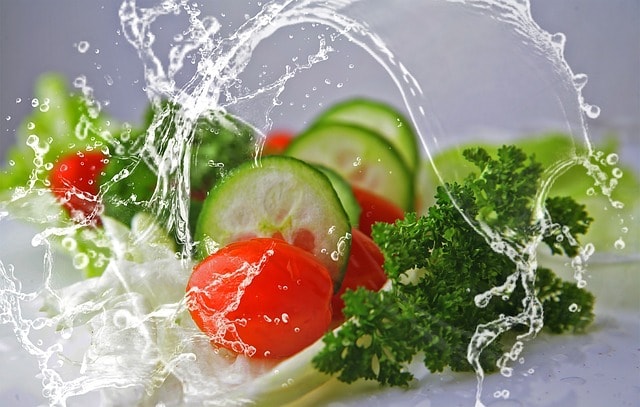
Although we could write a full-length article to answer this question, here are five quick tips to help you get started:
- Write original content.
- Speak to your audience. Start with the most common health and wellness problems first.
- Make your content engaging and accurate. Tell stories, make your tips actionable, and ensure that you’ve got your facts correct.
- Write great headlines that hint at what’s to come.
- Use high-quality photos or videos. Infographics are also great, since people tend to share them.
Don’t overlook Google as a source of information on what health and wellness questions people are asking most often. Savvy bloggers identify the keywords people are using to find topics and create blog posts around those words and phrases.
6. Share it widely
So you’ve got your first blog post written! The time has come to put it out in the blogosphere!
Once you’ve got it looking good, share a link to your blog post on social media, your email marketing list, and with any influencers or network connections you think may find it interesting.
Ask your followers to leave their comments and reviews, making sure to respond to each and every single one, individually.
Now keep it up
Once you’ve got one post under your belt, consult your content calendar and keep going. Pro bloggers often create several blog posts at a time, so they’re not always in blog mode.
Consistency is key, so if you decide to post every Wednesday, then post every Wednesday without fail.
In time, you’ll find followers are looking forward to your regular articles. And that’s when you know you’ve made it.
Note: if you are not a licensed professional, you will want to be careful to provide accurate medical disclaimers, as they can help provide limited protection against some medical issues.