Web hosting is one of the first real costs you’ll encounter when building a website, and it can vary more than most people expect. In the UK in 2026, pricing reflects a wide range of options, from budget-friendly shared hosting plans to managed hosting services and more advanced solutions designed for growing businesses. Understanding what you actually get for the price is key to making a smart decision.
Let’s explore how much web hosting costs in the UK, what influences those prices, and how to choose a plan that fits your goals.
Types of website hosting and what they cost
Website hosting is essentially online storage for your website. Your website itself is made up of a bunch of files, which include all of your webpages and multimedia content like images and videos. You need somewhere online to put that data.
Without web hosting, you are the only one who could ever see your website.
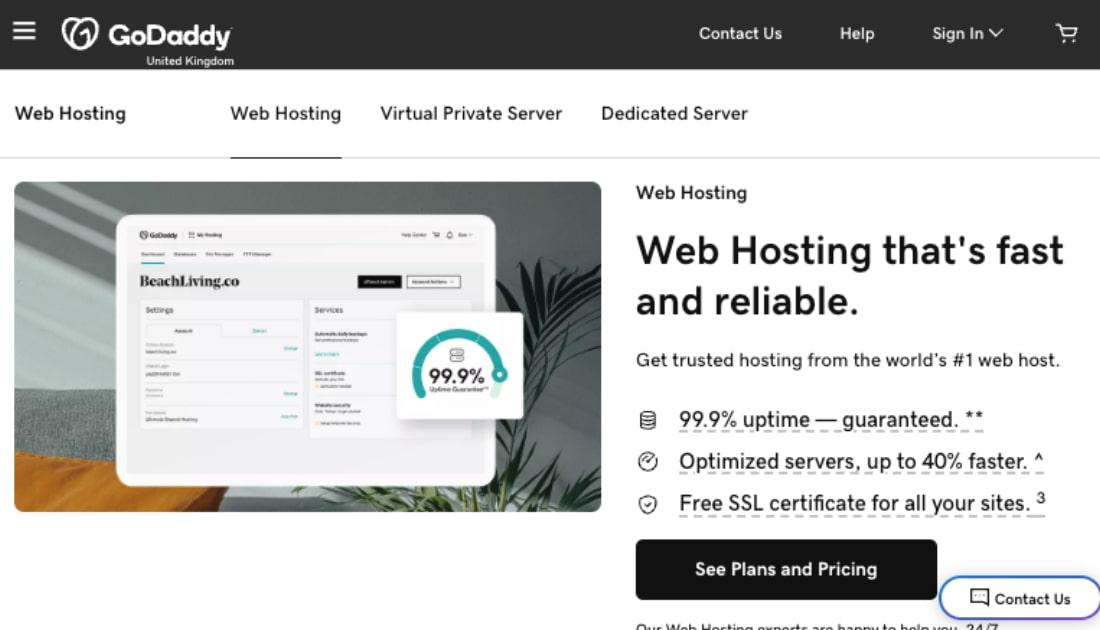
There are different types of web hosting built for various needs, budgets, and traffic levels. GoDaddy web hosting plans start at just £3.99 per month.
| GoDaddy Web Hosting Plan | Price |
| Shared Hosting | Economy: £3.99/month Deluxe: £5.99/month Ultimate: £7.49/month |
| WordPress Hosting | Basic: £3.99/month Deluxe: £5.49/month Ultimate: £6.99/month |
| VPS Hosting | 1 vCPU/2GB RAM: £7.49/month 2 vCPU/4GB RAM: £15.99/month 4 vCPU/8GB RAM: £32.99/month 4 vCPU/16GB RAM: £39.99/month 8 vCPU/16GB RAM: £59.99/month 8 vCPU/32GB RAM: £74.99/month 16 vCPU/64GB RAM: £119.99/month 32 vCPU/128GB RAM: £179.99/month |
| Website Builder (Hosting Included!) | Basic: £7.99/month Premium: £11.99/month Commerce: £13.99/month |
GoDaddy web hosting plan prices vary depending on requirements, expected traffic, and technical expertise. Every package comes with:
- 99% uptime guarantee*
- Unmetered bandwidth
- Automatic daily backups
- Data centers in North America and Europe
Let’s take a closer look at what each type of web hosting plan is.
Shared hosting
Shared web hosting is often the starting point for getting a website online. Instead of paying for an entire server on your own, your site shares space and resources with other websites. That shared setup keeps costs lower and is an appealing option for personal projects, small businesses, and early-stage sites. It also means less technical management, since much of the server maintenance is handled for you.
That shared environment is designed to keep hosting affordable while still delivering reliable performance. Because resources are shared across multiple sites, there can be occasional fluctuations if one site experiences a sudden traffic spike.
In practice, this is rarely noticeable for smaller websites, and providers like GoDaddy support consistent performance with a 99.9% uptime guarantee*. It is typically larger, more complex websites with higher traffic demands that may need more dedicated resources as they grow.
Pricing tends to reflect how much you need from your hosting plan. A simple site with a handful of pages will not require much storage or bandwidth, which keeps costs down.
As you add more content or attract more visitors, those requirements increase, and so does the price. Plans that support multiple websites can offer better value if you are running more than one project, while single-site plans are often the most affordable place to start.
Performance expectations also play a role in what you pay. Lower-cost shared hosting is designed for lighter use, while higher-tier plans allocate more resources to help maintain faster load times and more consistent uptime. Even with those upgrades, shared hosting still has limits compared to more advanced options, which is why many sites eventually move on as traffic grows.
WordPress hosting
WordPress hosting is built specifically for WordPress websites, so the environment is set up to make managing your site more straightforward from the start. Many plans come with WordPress pre-installed, along with features like automatic updates, enhanced security, and performance optimisations tailored to the platform. That added convenience can save time and reduce the need for hands-on technical work.
Because it is more specialised, WordPress hosting often costs a bit more than basic shared hosting. The price can vary depending on the size and complexity of your site. A smaller blog or brochure-style website will need fewer resources, while a content-heavy site with high traffic will require more storage, bandwidth, and processing power to keep things running smoothly.
Sites hosted on WordPress-specific plans often see better performance and reliability, since the servers are configured with WordPress in mind. Many providers also offer tools such as staging environments or built-in caching, which can help improve speed and make updates easier to manage.
The trade-off is flexibility. WordPress hosting is designed for one platform, so it is not the right fit if you plan to run non-WordPress sites alongside it. Some plans may also place limits on plugins or custom configurations to maintain performance and security standards.
VPS hosting
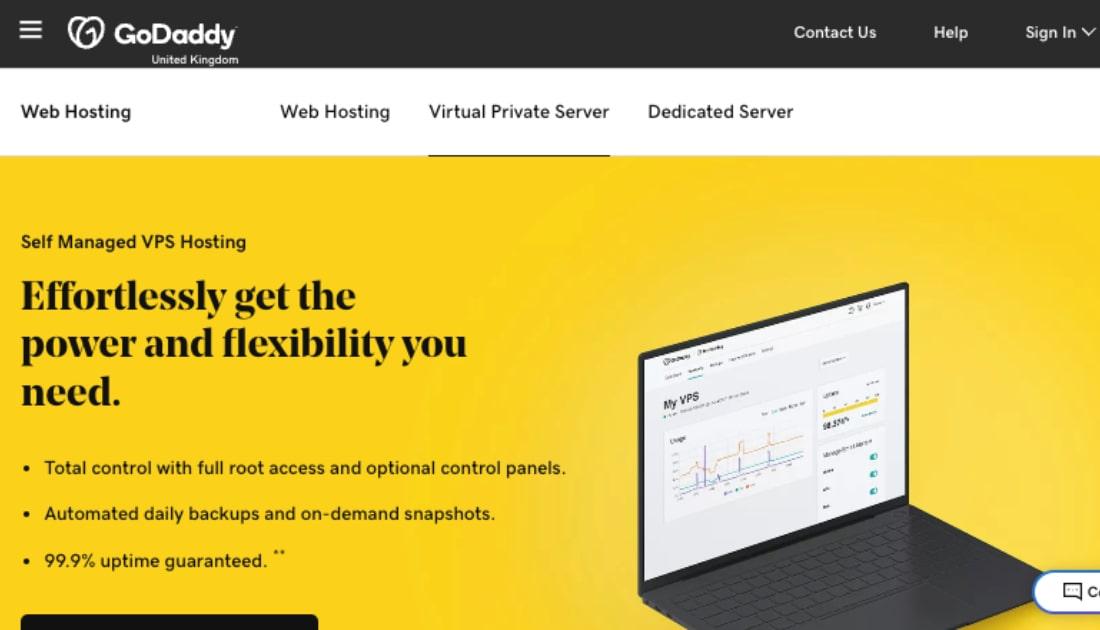
Virtual private server (VPS) hosting is a middle-ground option. Your website still shares a physical server with others, but it runs inside its own virtual environment with dedicated resources. That separation gives you more control and more consistent performance than shared hosting, without the higher cost of having a server entirely to yourself.
That added control is one of the main reasons pricing is higher than shared plans. With a VPS, you are paying for guaranteed resources like CPU, RAM, and storage, which means your site is less affected by what other websites are doing. This makes it a strong option for growing sites, online shops, or projects that need more stability as traffic increases.
Costs tend to scale based on how much power you need. A smaller VPS plan may suit a site with steady but moderate traffic, while larger plans are designed for more demanding workloads, higher visitor numbers, or more complex applications. Bandwidth, storage, and the number of sites you plan to run can all influence the final price, especially as your setup becomes more advanced.
VPS hosting offers more flexibility and customisation, but it often requires a higher level of technical knowledge to manage effectively, unless you choose a managed plan. Even then, while performance is more reliable than shared hosting, it still has limits compared to a fully dedicated server.
Website builders
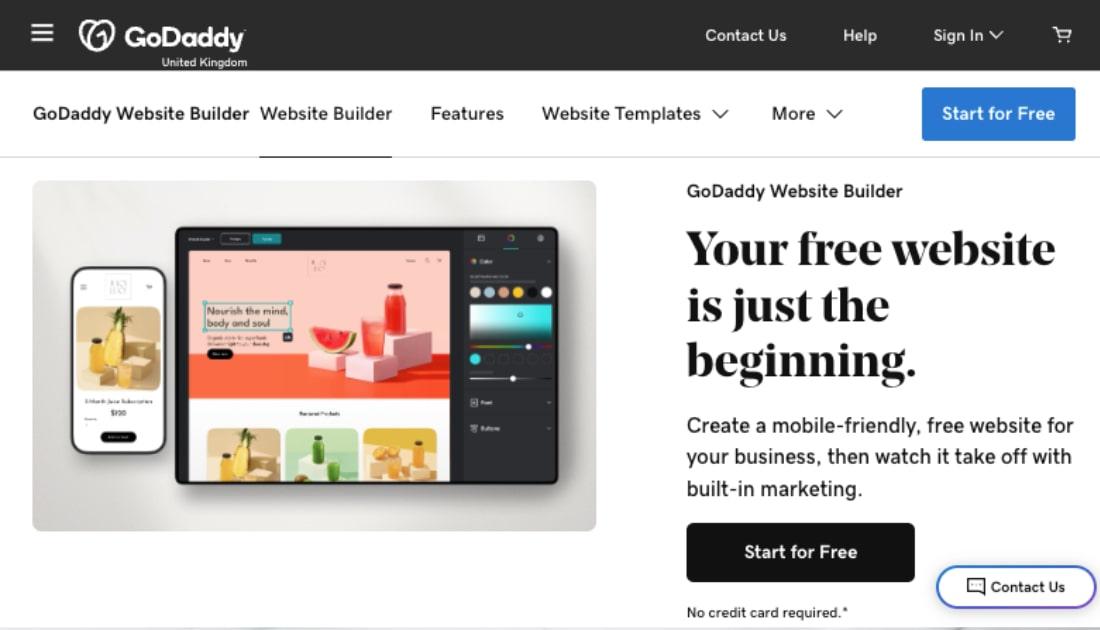
Website builders take a different approach to getting online. Instead of choosing hosting separately and building your site from scratch, everything is bundled into one platform. GoDaddy’s Website Builder includes the design tools, hosting, and essential features all in one place, so you can focus on building your site rather than managing the technical setup.
That simplicity is one of the biggest advantages. You can create a site using drag-and-drop tools, or choose a template and get online quickly, often without any coding or prior experience. Features like built-in SEO tools, mobile-friendly design, and SSL are included, which removes a lot of the usual setup decisions that come with traditional hosting.
Pricing reflects that all-in-one convenience. Plans in the UK typically start at a lower monthly cost for basic sites, then increase as you add features like ecommerce, marketing tools or appointment booking.
Website builders are designed to be easy to use, which means they may be more limited in customisation and advanced functionality. You are working within the platform’s ecosystem, so if you need highly specific features or complete control over performance, you may find it restrictive as your site grows.
For many users, though, that balance works in their favour. Website builders offer a fast, straightforward way to launch a site with hosting included, clear pricing, and minimal setup.
Total cost of owning a website in the UK
Web hosting is only one part of what you’ll pay to run a website. The total cost of ownership includes your domain name, security, design, added functionality, and any ongoing support. Planning for these costs upfront makes it easier to stay on budget and avoid surprises as your site grows.
Many GoDaddy plans bundle key essentials like a free domain for the first year, SSL certificates, and email to help simplify pricing early on.
Domain name costs
Your domain name is your website’s address, and pricing depends on the extension you choose. Popular options like .com or .co.uk tend to cost more because they offer stronger brand recognition and trust. Newer or less common extensions are often cheaper, but may not carry the same familiarity.
If you’re unsure which route to take, use this guide to determine which domain extension is best for your website.
Domain privacy protection, which keeps your personal details off public records, can cost around £5 to £15 per year with some providers, but is included with GoDaddy.
Related: Should I buy a premium domain?
SSL certificates
SSL certificates encrypt the data shared between your website and its visitors, helping protect sensitive information and build trust. Most modern websites need one, especially if you collect form submissions or process payments.
Some hosting plans include SSL as standard, while others may charge extra depending on the level of security required. Read our types of SSLs explained article for more information.
Themes and templates
Your site’s design can range from free to premium, depending on how customised you want it to be. GoDaddy Website Builder includes hundreds of professional templates with every plan, keeping design costs predictable.
If you’re using WordPress, there are thousands of free themes available, along with premium options that offer more advanced layouts and features. Costs here often come down to how unique or feature-rich you want your site to look.
Security
In addition to an SSL certificate, you’ll likely need to factor in costs for security tools like firewalls and ongoing maintenance. Firewalls help block unauthorised access and protect your site from malicious traffic, reducing the risk of downtime or data breaches. Regular updates, strong passwords, and basic security best practices all play a role in keeping your site protected, regardless of your hosting setup.
Some hosting plans include built-in security features, but more advanced protection may come at an additional cost. Check out this article on how to keep your business secure online for more details.
Hiring a web developer or designer
Not every site needs professional help, but it can make a difference for more complex projects. Hiring a developer or designer makes sense if you need custom functionality, ecommerce setup, brand-specific design, or help troubleshooting technical issues.
Costs can vary widely depending on the scope of work, but for many businesses, it’s a worthwhile investment in performance, usability, and long-term growth.
How much should you budget for website hosting annually?
How much you should budget for website hosting each year depends on the type of site you’re running, how much traffic you expect, and what you want your website to achieve. Annual plans are often more cost-effective than monthly billing, and starting with a lower-tier plan and then upgrading as your site grows is a practical way to manage costs over time.
Budget for small businesses and blogs
For smaller sites, hosting costs are typically on the lower end. Shared hosting or entry-level WordPress hosting is often enough to support a blog or a basic business website with steady traffic. Here’s a look at some web hosting plans from GoDaddy that could work for these use cases:
- Web Hosting Economy: £3.99/month
- Hosting for WordPress Basic: £3.99/month
Many small businesses can expect to spend a modest amount annually, especially when bundled features like SSL and a domain are included. You can learn how to create a small business website in this guide.
Budget for ecommerce websites
Ecommerce sites require more resources to handle product listings, transactions, and higher traffic volumes. Hosting plans designed for online stores, like GoDaddy Commerce (starts at £13.99 per month), usually include features like secure payments, product management, and improved performance.
As a result, annual costs are higher than standard hosting, but they reflect the added functionality and reliability needed to run an online business. For a deeper breakdown, read this guide to ecommerce website costs.
Budget for high-traffic websites
Websites with consistently high traffic need stronger performance and reliability. VPS hosting or more advanced plans are often the better fit here, as they provide dedicated resources and more consistent speeds. GoDaddy offers VPS hosting for high-traffic websites ranging from £7.49 to £179.99 per month, depending on vCPU and RAM requirements.
These plans come at a higher annual cost, but they help maintain uptime and performance as demand increases. Investing at this level can prevent slow load times and disruptions that impact user experience.
Budget for portfolio and event websites
Portfolio sites and event pages are usually lighter in terms of content and traffic, which keeps hosting costs relatively low. Shared hosting or a website builder plan is often enough to support these types of sites. They offer a balance of affordability and ease of use, making them a good choice for short-term projects or simple online portfolios without complex functionality.
You can sign up for shared hosting through GoDaddy, starting at £3.99 per month, or web builder plans, starting at £79.99 per month.
What features should be included in your hosting package?
The features included in your web hosting package play a big role in how your website performs, how secure it is, and how easy it is to manage day to day. At a minimum, your hosting plan should cover the essentials across security, performance, and support so you are not left filling in the gaps later.
- Security features: Look for built-in protections like SSL certificates, firewalls, and malware scanning. These help keep your site and visitor data safe while reducing the risk of downtime or attacks.
- Performance features: Reliable uptime, fast loading speeds, and access to scalable resources are key. Features like caching, content delivery networks (CDNs), and optimised servers can all improve how quickly your site loads and handles traffic.
- Support features: Access to 24/7 customer support, easy-to-use dashboards, and one-click installations can make a big difference, especially if you are not managing everything yourself. Strong support helps you troubleshoot issues quickly and keep your site running smoothly.
Let’s take a look at what’s included in each type of hosting with GoDaddy
Shared hosting features
- 99.9% uptime guarantee*
- Unmetered bandwidth
- Automatic daily backups
- Data centers in North America and Europe
- cPanel
- Free domain (first year)
- Free professional email
- Free SSL certificate (first year)
- Site security trial
- 30-day money-back guarantee**
WordPress hosting features
- PHP and Zend LTS
- 99.9% uptime guarantee*
- WP-CLI, SSH, and SFTP
- Professional email
- Automatic software updates
- Free SSL certificate (first year)
- AI creation tool
- GoDaddy Airo Site Optimiser
- Automated malware scans and removal
- Free GoDaddy Digital Marketing Trial
VPS hosting features
- NVMe SSDs
- DDoS protection
- Free SSL certificate (first year)
- Unlimited hosting
- Root access
- Snapshot backups
- Global data centers
Website Builder features
- Mobile-friendly site
- 100+ templates
- Marketing dashboard
- Free professional email
- 24/7 expert support
- Free custom domain
- GoDaddy Airo AI
- Advanced analytics
- Free digital content creator
- Built-in payment acceptance
Avoid common web hosting pitfalls
Not all hosting plans are created equal, and choosing the wrong one can lead to headaches down the line. Understanding a few common pitfalls makes it easier to protect your website, your budget, and your reputation from the start.
The cost of free website hosting
Free hosting can be tempting, but it often comes with trade-offs that limit your site’s potential. Many free plans include forced advertisements like banner ads or pop-ups that you cannot control, which can make your site look unprofessional. You will also typically be limited to a subdomain, such as yoursite.wordpress.com, instead of having your own custom domain.
Storage and performance are usually restricted as well, often in the range of 500MB to 3GB, which can quickly become a problem as your site grows. Free hosting can work for personal projects, hobby blogs with minimal traffic, or testing ideas, but it is rarely suitable for a business or anything you plan to scale.
Lack of 24/7 customer support
When something goes wrong with your website, timing matters. Without reliable, round-the-clock support, even small issues can turn into longer periods of downtime.
For businesses, downtime can mean lost sales, frustrated customers, and damage to your reputation. It can also impact your visibility in search engines if your site is frequently unavailable. Having access to 24/7 support helps you resolve issues quickly and keep your site running as expected.
Inadequate safety and security
Weak security is one of the most costly mistakes you can make with web hosting. Without proper protections in place, your site becomes more vulnerable to attacks, data breaches, and unauthorised access.
Security incidents can damage customer trust, expose sensitive information, and even lead to legal consequences depending on the type of data involved. They can also harm your search rankings if your site is flagged by Google. Choosing a hosting plan with strong, built-in security features helps reduce these risks and keeps your website and visitors protected.
Get started with website hosting now
Web hosting plays a bigger role in your website’s success than many people expect. From performance and security to scalability and support, the right plan sets the foundation for everything your site needs to grow.
GoDaddy makes it easy to find a hosting solution that fits where you are now and where you want to go next. With flexible plans, built-in features like SSL and domains, and the ability to upgrade as your needs evolve, you can launch with confidence and scale without unnecessary complexity. Explore GoDaddy web hosting plans today and choose a setup that supports your goals, your traffic, and your long-term growth.
Frequently asked questions
Is cheap website hosting worth it?
It can be, depending on your needs. Low-cost hosting works well for small sites with light traffic, but it may come with limits on performance, features, or support. As your site grows, upgrading often becomes necessary.
Can I host a website for free?
Yes, but free hosting comes with restrictions like ads, limited storage, and no custom domain. It can work for testing or hobby projects, but it is not ideal for professional or business use.
What is the difference between domain hosting, email hosting, and web hosting?
A domain is your website’s address (for example, yoursite.co.uk). Web hosting stores your website files and makes them accessible online. Email hosting allows you to send and receive emails using your domain name.
Do I need anything more than basic hosting if I'm not selling things on my website?
In most cases, no. Basic hosting is usually enough for blogs, portfolios, and informational sites. You may only need to upgrade if you want better performance, added features, or expect higher traffic.
When should I upgrade from basic hosting?
It is time to upgrade when your site starts to slow down, traffic increases, or you need more control and features. This ensures your site continues to run smoothly as it grows.
*99.9% uptime guarantee: See section 9 of Hosting Agreement for details.
**30 day refund guarantee: You can request a full refund for annual plans within 30 days of purchase and within 48 hours of purchase for monthly plans (each “Refund Period”). If a hosting service has already been performed, then it is non-refundable (if not yet performed, eligible for a refund within 30 days of the date of the transaction).