Key takeaways
- Standard domain names cost $10–$25 CAD per year, with prices varying by extension and registrar.
- Premium domains can range from $100 to over $1,000,000, depending on demand and memorability.
- Factor in additional costs like annual renewals, privacy protection, and SSL certificates when budgeting.
- Popular extensions like .ca and .com typically cost more than newer niche extensions.
- Investing in the right domain protects your brand and supports long-term business growth.
A domain name is the web address people type into a browser to visit your website (e.g., www.cbc.ca). For many people, the first thing that comes to mind when starting a new business is to register a domain name.
For Canadian businesses, the .ca domain name extension is a must.

This is called a country code top-level domain (ccTLD), and it's what many Canadians will assume is at the end of your web address. So why not make it easy for them?
How much does a new domain name cost?
Domain costs depend largely on whether the name is available to register or already registered to someone else.
You can expect to pay between C$0.01 and C$25 per year for a .com or a .ca domain. A .quebec domain can reach C$72.99 .
An available domain is a name no one currently owns. You can register it through a domain registrar and pay the standard annual registration fee. A registered domain is already owned by another person or business. If the owner is willing to sell, you may be able to buy it through a domain marketplace or by contacting them directly. These domains can cost significantly more than the standard registration fee because prices are shaped by factors such as the name’s length, keyword value, brand potential, and market demand.
Domain extensions: classic options vs newer TLDs
Classic top-level domains (TLDs) like .com have been around for decades, so many short or highly sought-after names may already be registered. Newer TLDs give you more options when the name you want is unavailable with a classic extension. They can also help communicate what your business offers, such as .store for an online shop or .design for a creative business.
Canada-focused extension: .ca
The .ca domain is Canada’s ccTLD. It’s a clear, recognizable option for businesses that sell to Canadian customers or want to establish a Canadian online presence. Choosing this extension can make your site feel more relevant to your audience while keeping your web address simple and easy to remember.
When to opt for .com?
If you’re looking to target a global audience, then you will likely want to register a .com domain. You can usually get these domains for $0.01 to $25 CAD per year, but pricing depends on the domain name. ai.com, for example, sold for roughly $95 million CAD in 2026.
Creative options
Although ccTLDs were originally meant for specific countries, many can now be used by anyone, and professionals are using them to have a little fun with their domains. For example, a clever physiotherapist might register bestphys.io for their web address. The .io domain extension is technically the ccTLD for the British Indian Ocean Territory, but anyone may register .io domains.
In fact, .io is quite popular among tech startups, because "IO" is an abbreviation for input/output, which describes how computers communicate with the world.
The same goes for .me, the ccTLD for Montenegro, and .co (Colombia).
Some more fun domain extensions
- .wtf (this extension says "You have to see this!")
- .style (great for lifestyle and fashion blogs anywhere in Canada)
- .ninja (perfect for anyone who's good at what they do)
- .biz (a fun way to say you sell something)
- .boo (a spooky way to showcase your products and services)
Domain name pricing summary for Canada
Domain name prices in Canada vary based on the extension you choose, your registrar, and the type of registration. Promotional pricing may reduce your first-year cost. After the promotional period ends, renewal prices may be different. Here’s a general guide to Canadian domain prices in 2026:
Typical domain extension prices (CAD per year)
| Domain Extension | Typical Price Range (per year) | Best Use Case |
|---|---|---|
| .ca | C$10–C$35 | Canadian businesses, organizations and personal brands |
| .com | C$10–C$25 | Businesses targeting a global or U.S. audience |
| .io | C$40–C$100+ | Tech startups and software businesses |
| .me | C$5–C$43 | Personal brands, portfolios and bloggers |
| .co | C$15–C$85 | Businesses, startups and alternative .com branding |
| .auto | C$3000–C$5,000+ | Automotive businesses and industry-specific brands |
Note: These are indicative first-year registration ranges, not guaranteed prices. Promotions can bring some domains below these ranges, while premium domains can cost substantially more.
The .ca extension is subject to Canadian Presence Requirements, which means registrants must meet CIRA’s eligibility rules.
Types of domains and their prices
In general, there are three main types of domains you can buy: available, already registered, and premium domains.
Available domains (new registrations)
Available domains are names that no one has registered yet. You can register one at the standard price set by your chosen registrar, though the cost varies based on the domain extension.
Your first-year price may include a promotion, so take a look at the renewal cost before registering. Newer domain extensions, like .app and .ai, can have higher registration and renewal prices than more established options like .com or .ca.
Already registered domains (secondary market)
Already registered domains are owned by another person or business. You may find them for sale on a secondary domain marketplace, where the owner sets a price or negotiates directly with interested buyers.
Prices can vary widely. Short, memorable names and domains that include popular keywords may cost more because they have greater brand potential and market demand. The final price often comes down to the domain’s perceived value, current market conditions, and the agreement between buyer and seller.
Premium domain names
Premium domain names are names that registries or current owners identify as having higher market value. They are often short, memorable, or closely tied to popular keywords, industries, or locations.
A premium domain can have a higher upfront purchase price than a standard registration. In some cases, the registry also sets a higher renewal price. Prices vary widely based on the domain’s perceived value, current demand, and market conditions.
The most expensive domain names will be the ones available on auction houses, through aftermarket services, or private sellers.
Premium domains may cost hundreds, thousands, or even millions of dollars. You can find some listed for sale through auctions, aftermarket services, and private sellers. Pricing on these platforms is not standardized, so explore marketplaces such as Afternic and GoDaddy Auctions to compare available names and get a sense of current costs.
Ongoing domain name costs (renewals and fees)
Registering a domain is the first step. To keep it active and connected to your website, plan for renewal costs and any services you choose to add.
Domain renewal fees
Most domain names are registered for one year at a time and must be renewed to stay active. Renewal prices depend on your domain extension and registrar. Your first year may be available at a promotional price, but the renewal rate can be higher once that offer ends. Review the renewal price before you register so you can budget for your domain over time.
Privacy protection
Domain registrations typically require contact information that can appear in public WHOIS records. Privacy protection can keep eligible personal contact details out of those public records.
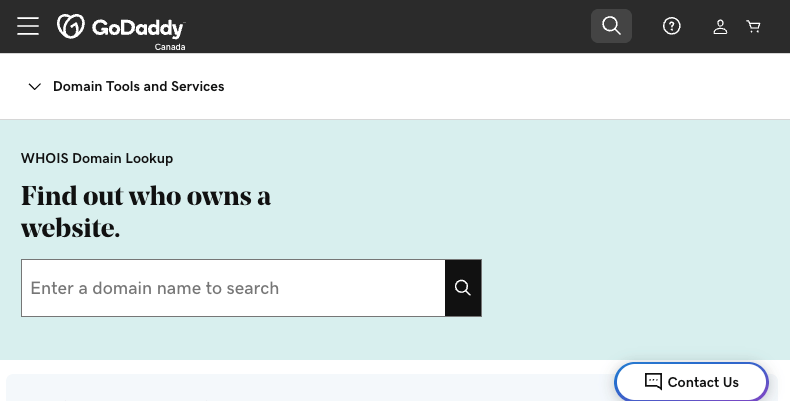
Some registrars include privacy protection with eligible domain registrations, while others offer it as a separate service. GoDaddy’s WHOIS lookup lets you check a domain’s registration information and see what details are publicly available.
SSL certificates
An SSL certificate encrypts information exchanged between your website and its visitors. It also enables the HTTPS connection, often shown with a padlock icon in a browser’s address bar. SSL certificates are an important consideration for any site that collects information from visitors, including contact details or payment information.
You may be able to get a free SSL for a limited time through a website hosting provider. However, you will likely have to pay for it after your first year.
Other website costs to consider
Your domain is one part of your overall website budget. You may also want to account for:
- Website hosting: Stores your website files and makes your site available online.
- Website builder subscriptions: Monthly or annual plans for tools that let you create, publish, and manage your website, including AI-powered website builders.
- Business email: A custom email address that uses your domain, such as hello@yourbusiness.ca.
- Premium domain renewals: Some premium domains have higher renewal fees than standard domains.
- Additional domain names: Extra extensions or name variations that can help protect your brand and direct visitors to your main website.
Choosing the right domain for your budget
A domain name gives your business a place to call home online. Costs can range from a low first-year registration price to a higher premium domain purchase, so consider your extension, renewal rate, and long-term goals before you register.
Choose a name that is easy to remember, relevant to your business, and available within your budget. Once you find the right fit, register your domain and take the next step toward building your online presence.