Tell us a little about yourself and your career journey to date.
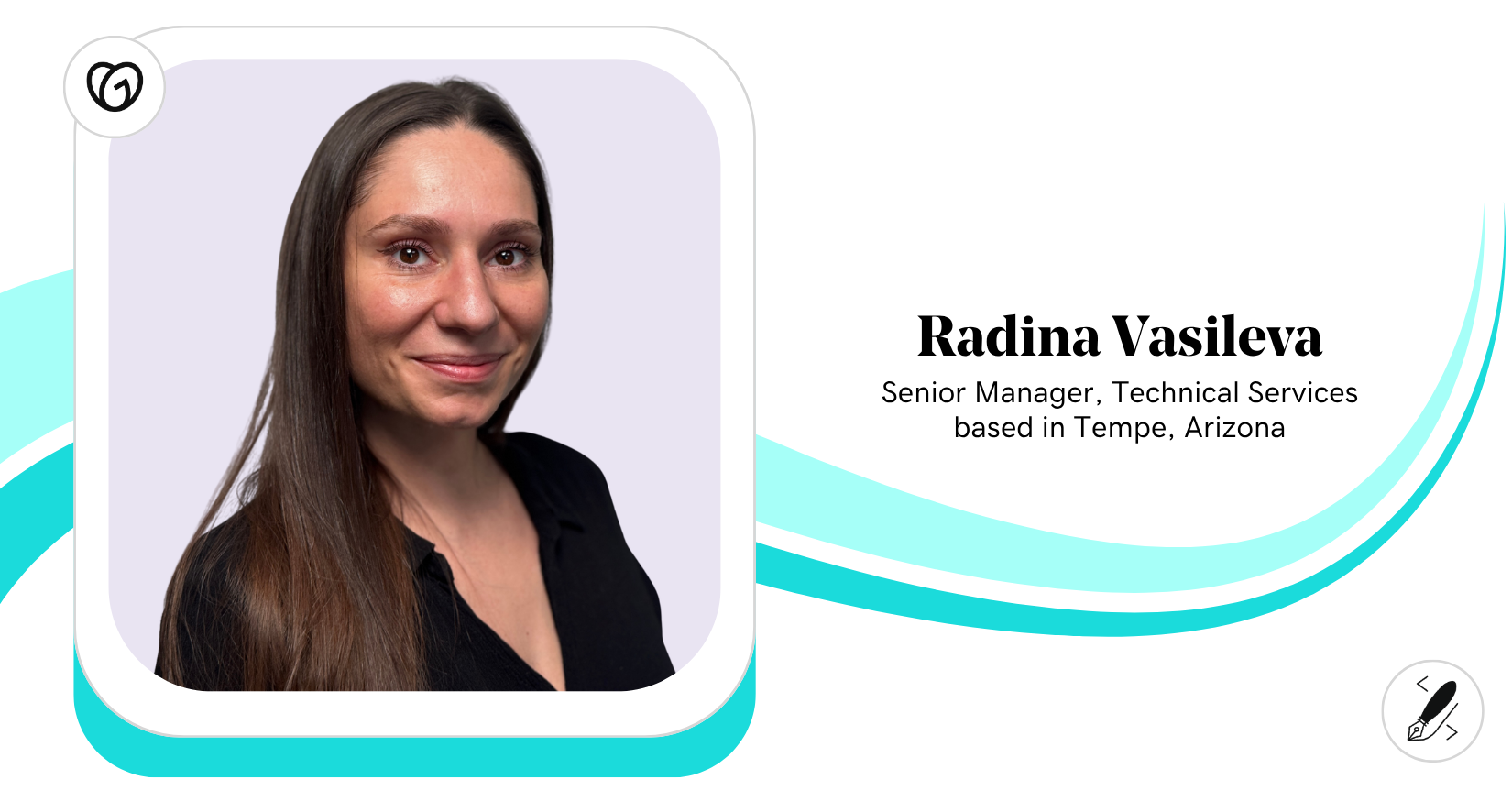
My name is Radina, and I was born and raised in Sofia, Bulgaria. I moved to the United States about five years ago, but my career with GoDaddy began nearly 12 years ago in Sofia.
I joined TSOHost as a Technical Support Guide and was one of the first support employees in the Sofia office. At the time, there were fewer than 20 people in the office, but we quickly grew to more than 200. Not long after starting in Technical Support, I moved into a leadership role.
When TSOHost was acquired by GoDaddy, I was leading the TSOHost Technical Support and Chat teams in Sofia. At that time, I had the opportunity to transition into a new challenge: helping establish the Secure Certificate Services (SCS) team in Sofia. This was a GoDaddy team focused on SSL certificate issuance, and it was an exciting opportunity to build a new function from the ground up, develop specialized expertise, and work closely with teams across the company.
A few years later, I moved into leadership for Website Security Support and Website Security Remediation, including our Sucuri services. In 2024, I also began managing the Account Recovery team. That team transitioned to another department in July 2026, and I am now once again focused fully on Website Security Services.
When I joined TSOHost, it was only my second professional job.
In many ways, I grew up professionally with GoDaddy. The company, its culture, and the people I have worked with have played a significant role in shaping the leader and person I am today.
Looking back, what stands out most is that I have had the opportunity to grow alongside the company. While the teams and products I have supported have changed over the years, the common thread has always been helping people navigate complex challenges and creating better experiences for customers.
What experiences prepared you for a senior leadership role?
There was not one single experience that prepared me for senior leadership. It was the combination of many different situations, from supporting individuals through personal and professional challenges to leading complex initiatives involving multiple teams, stakeholders, and competing priorities.
What prepared me most was learning to pay close attention and genuinely care about the people, products, services, and customers connected to the work. I try to understand situations deeply rather than simply reacting to what is visible on the surface. That means asking questions, staying curious, learning continuously, and bringing the right people together to solve problems.
One of the most important shifts in my leadership journey was realizing that my role was no longer to solve every problem personally. It was to create clarity, connect the right people, and empower others to find and own the solution. As a leader, the greatest impact often comes from helping others succeed rather than being the person with all the answers.
Developing a strong interest in technology has also been important, but I always try to connect technology back to the customer experience. I ask what a decision, process, or product change will mean for the customer’s overall journey. Keeping the customer at the center helps create clarity, even when situations are complex.
Senior leadership has also taught me that I do not need to have every answer myself. My responsibility is to create an environment where people feel comfortable sharing what they know, challenging assumptions, and working together toward the best outcome.
What is something people don’t realize about Technical Services?
People often assume that Technical Services is primarily about technical knowledge. Technology is certainly a significant part of our work, but the role is just as much about people, customers, operations, and collaboration.
Our job is to understand the problems our teams and customers are facing, work with partners across the organization, and find ways to improve the experience from beginning to end. We have to consider not only whether a technical change works, but also what it means for the customer journey and the employees supporting that journey.
One thing people may not realize is that many of the issues we help solve happen during stressful moments for customers. Whether a website is unavailable, a security threat has been identified, or a business-critical service is impacted, customers are often coming to us during a time of uncertainty. Technical expertise is important, but so are empathy, communication, and the ability to simplify complex situations.
Technical Services is also a valuable feedback loop for the organization. Because our teams are so close to the customer experience, we often see trends, pain points, and opportunities for improvement before anyone else.
At its core, Technical Services is about translating complexity into better experiences for both customers and employees.
What communication habits or rituals help keep your supervisor team aligned and informed?
We have developed a consistent and well-established communication rhythm across the leadership team. We use a combination of Slack channels, one-on-one conversations, team meetings, and regular written updates so that information does not depend on a single person or communication method.
More importantly, we have created a culture where different perspectives are welcomed and valued. We discuss things openly, ask questions, and encourage people to raise concerns or challenge ideas. Alignment does not mean everyone immediately agrees. It means everyone has the opportunity to contribute, understands the context, and knows the direction we are taking.
One of the practices I especially value is our weekly review of what has happened across the organization. We share accomplishments and highlights, identify items that need attention, review team performance, and discuss anything that may require follow-up. This allows us to celebrate progress while proactively addressing potential risks.
Another habit that helps us stay aligned is documenting key decisions, owners, and next steps. Alignment should continue after a meeting ends, and clear follow-through creates accountability and trust.
The most important communication habit, however, is consistency. Communication works best when it is part of the team’s normal operating rhythm rather than something that only happens when there is a problem.
How do you work to identify and remove obstacles that slow down your teams?
We look at multiple sources of information because obstacles do not always appear in the same way. Sometimes the first signal is a change in a key performance indicator. When we see something unexpected, we become curious and investigate what is driving it rather than focusing only on the number itself.
We also listen closely to our frontline teams. They speak with customers every day and are often the first people to notice a new issue, an inefficient process, or an unintended consequence of a product change. Maintaining an open line of communication between frontline employees, leadership, and engineering teams allows us to respond more quickly.
When we identify an obstacle, we try to understand the root cause rather than treating only the visible symptom. We bring together the right partners, evaluate the impact, and determine what needs to change. Sometimes the solution involves improving a process. Other times it may require clearer communication, additional training, a product enhancement, or an engineering fix.
AI has become an important part of this work. We use it to develop small tools and plug-ins that automate portions of a workflow or transform complex information, such as technical logs, into something easier to understand and act on. We also empower the highly technical members of our teams to contribute to the development of these solutions.
Ultimately, removing obstacles starts with listening, staying curious, using data thoughtfully, and creating an environment where people feel comfortable raising concerns and offering ideas for improvement.
What do you enjoy doing outside of work?
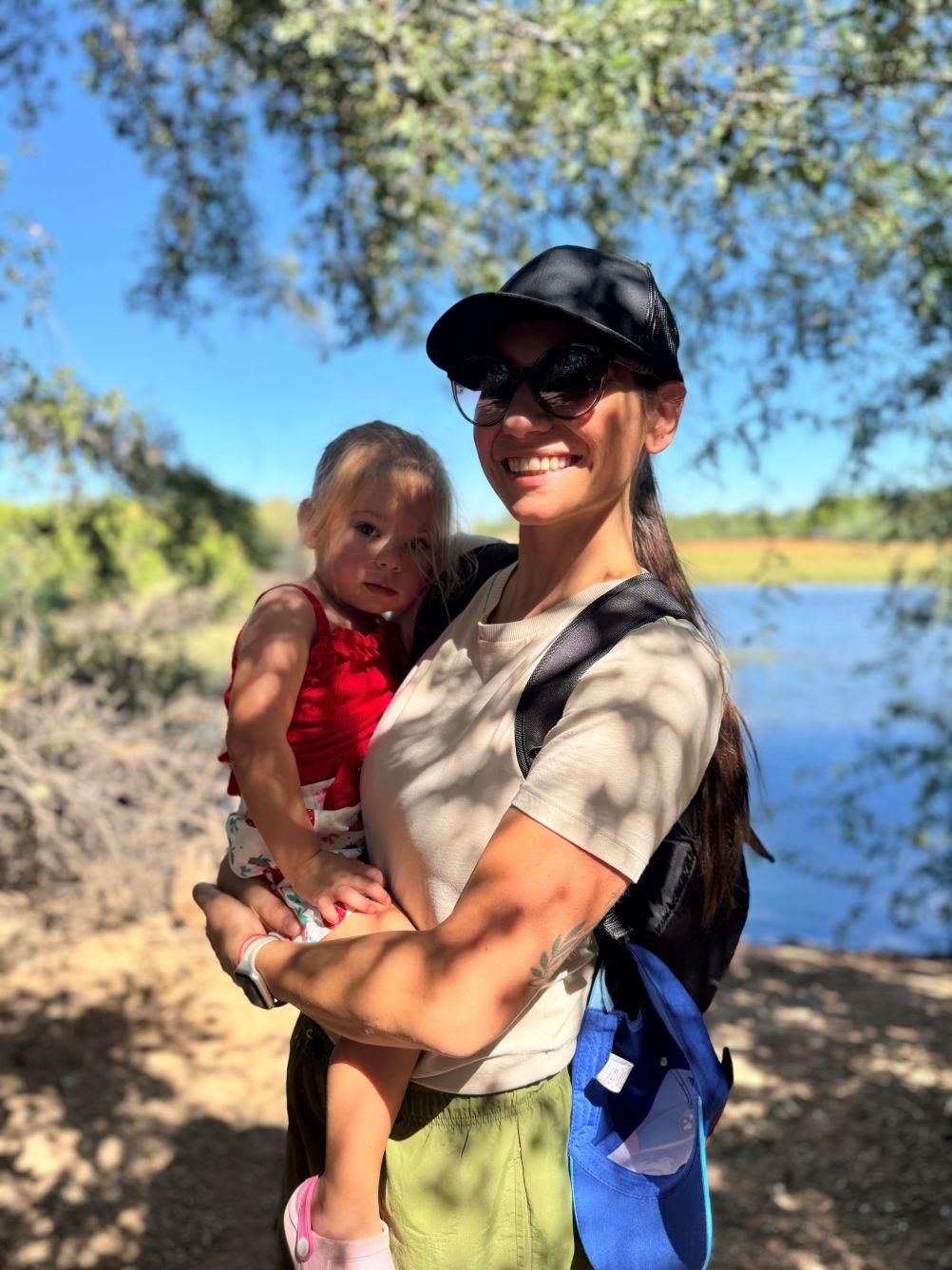
Outside of work, I spend most of my time with my family, whom I love very much. I have a two-and-a-half-year-old daughter who keeps us busy, and we enjoy spending time outdoors, visiting parks, and simply exploring together.
Travel is also an important part of our family life. We travel between Arizona and Bulgaria several times a year, which allows us to stay connected with family and my Bulgarian roots. While we're in Europe, we also enjoy taking smaller trips whenever we can to explore different countries and cultures together as a family.
I also try to stay active through exercise and yoga. Yoga helps me take care of both my physical and mental well-being, manage stress, and maintain the energy I need for work and family. For me, spending time with the people I love, traveling, and staying active provide an important sense of balance.
Are you enjoying this series and want to know more about life at GoDaddy? Check out our GoDaddy Life social pages! Follow us to meet our team, learn more about our culture (Teams, ERGs, Locations), careers, and so much more. You’re more than just your day job, so come propel your career with us.