
Think about those times you’ve seen people waiting in a long line to purchase the latest offering from a brand. That goes beyond your typical shopping habits — customer loyalty is the backbone of any successful business.
In fact, last year seven out of ten consumers reported they were loyal to a specific retailer, brand, or store.
Loyalty is shaped by seamless experiences, emotional bonds, and personalized engagement. Let’s explore what drives modern customer loyalty and how you can cultivate it to unlock long-term business success.
What is customer loyalty?
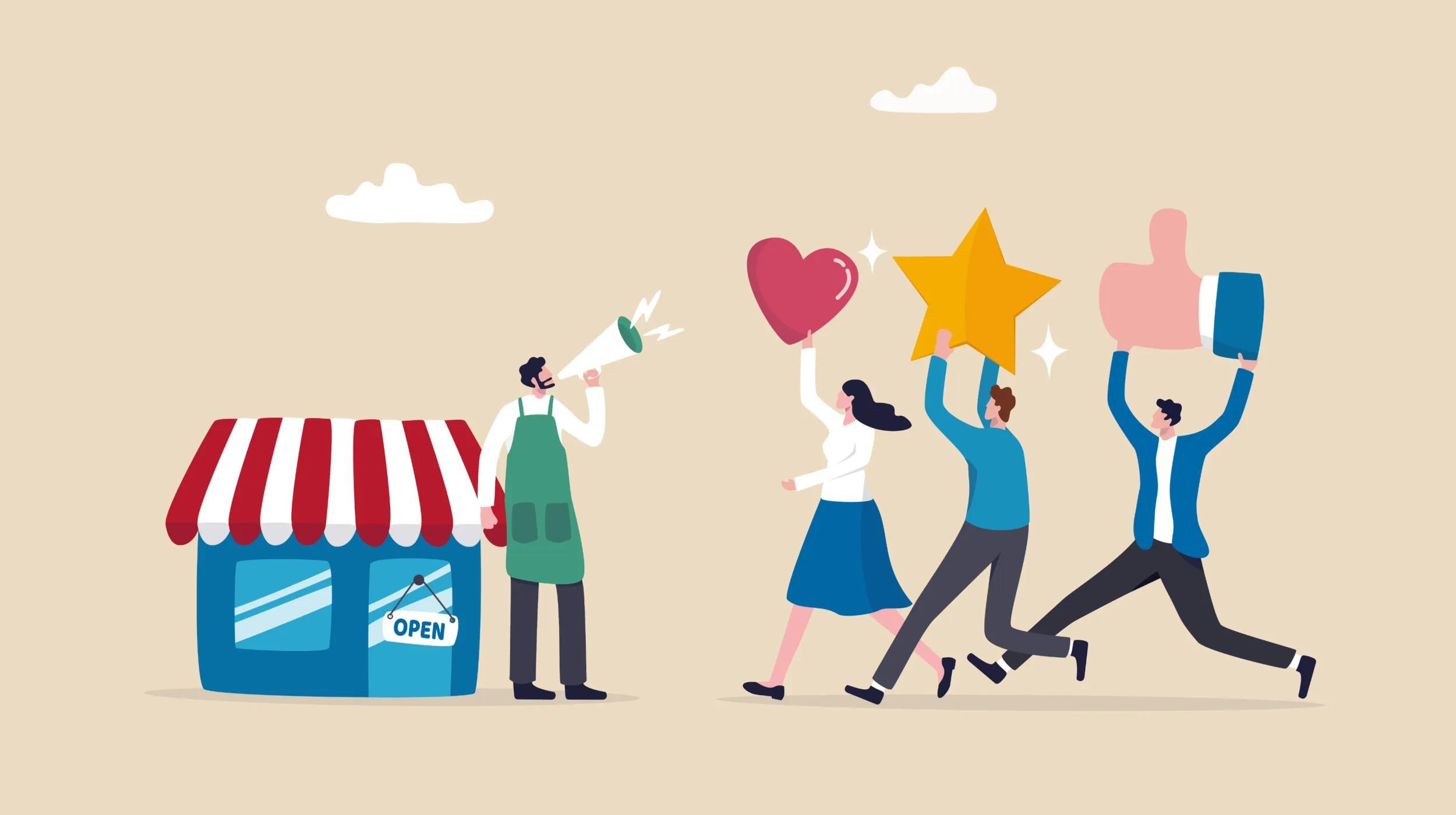
Customer loyalty is about building a strong emotional connection, trust, and shaping advocates who talk up your brand.
Loyal customers go beyond simply purchasing. They recommend, defend, and engage. This can be huge for your growth and resilience in a competitive market.
Loyalty in a digital, omnichannel age
Nowadays, with brands connecting across websites, apps, social media, and in person, it creates a smooth customer journey. This builds trust and makes it easy for shoppers to browse, purchase, and return.
By meeting customers wherever they are, you can foster lasting loyalty, turning satisfied buyers into enthusiastic advocates who keep coming back for more.
Emotional vs. transactional loyalty
Emotional loyalty and transactional loyalty are two key factors that can propel a brand to new heights, but they differ in what keeps people coming back.
Transactional loyalty is built on rewards, discounts, and perks.
While it’s effective, this loyalty can fade if better offers come along.
Emotional loyalty, on the other hand, is rooted in trust and a sense of belonging. Customers feel genuinely connected to your brand and want to support it, regardless of deals.
Both types are important. Perks attract and reward customers, while emotional bonds create lasting relationships. They should remain key elements as you dream up your top local marketing ideas.
You’ll get more mileage from emotional loyalty because it transforms customers into advocates who stick with your brand, rather than those simply looking for the next sale.
Your business needs a website.
The hidden drivers of loyalty: Psychological and social factors
While customer loyalty can certainly impact your numbers, its drivers are a bit more subtle. Let’s take a look at some of the psychological and social aspects you should focus on.
- Trust: Drive customer loyalty by assuring people your brand consistently delivers on promises, protects their interests, and provides reliable products or services. This, in turn, encourages them to return and even become a brand advocate.
- Authenticity: Show customers your brand is genuine and transparent through initiatives like writing a bio for your small business. When customers feel you’re honest and real, they connect on a deeper level and are more likely to stay loyal.
- Belonging: Feeling valued and included in your brand’s story inspires loyalty by making customers more than just dollar signs. When people feel part of something bigger, they’re more likely to maintain their connection with a brand.
- Community: Community drives loyalty by connecting customers with each other around shared interests or experiences. An active community makes people feel supported and strengthens their bond with your brand.
- Shared values: When you share values, it can build loyalty by lining up your brand with what matters most to your customers. When people see their beliefs reflected in your brand, they’re more committed and enthusiastic supporters.
Loyalty as a business asset
Customer loyalty isn’t a vague, feel-good concept. It’s a tangible asset that can have a measurable impact on your business. Let’s dig deeper into this idea.
Impact on lifetime value and customer advocacy
Customer loyalty can help increase customer lifetime value (LTV), which in turn generates advocacy and strengthens your brand. When you build this loyalty among customers, they often spend more over time and stay with your brand longer.
They may also refer friends and family to your business, which can spark real growth for your business.
When you look at these factors combined, you could expect higher revenue, stable cash flow, and a strong reputation. This solid foundation helps your business weather challenges and thrive competitively. Customer loyalty fuels lasting success.
How loyal customers shape brand narrative
Loyal customers are more likely to leave positive reviews and recommend your business to friends and family. This type of buzz can help build trust with new customers and enhance your brand’s credibility.
The role of product and service quality in building loyalty
It’s always going to come down to what you deliver. Consistent, high-quality products and services are the foundation of loyalty. When customers can rely on your brand to meet or exceed expectations every time, trust grows. This, in turn, encourages repeat business and long-term relationships — essential for building a loyal and enthusiastic customer base.
Advanced strategies to deepen customer relationships
With the value of customer loyalty established, let’s review a few ways you can really refine the relationships you enjoy with customers.
Hyper-personalization with AI and data
Once you get familiar with AI, you can use it to tailor offers, messages, and recommendations to each customer. This yields more engaging experiences, and that can make customers feel valued and understood.
Predictive and proactive customer service
Anticipating customer needs and solving problems proactively shows that your commitment to customers is more than just words. Addressing issues before they escalate prevents frustration, paving the way for greater trust, which you might see reflected in customer satisfaction surveys. With a proactive approach, you don’t just hang onto customers, but you can also turn them into advocates.
Turning customers into co-creators
Consider getting customers’ opinions as you take on customers in product development and content creation, such as selling on YouTube. This collaboration can help you come up with products that better meet their needs and build loyalty, because customers see their ideas reflected in your brand’s offerings and communications.
Personalized communications and special offers
Personalized communications and special offers can go a long way in making customers feel appreciated. You’ll likely see deeper engagement and more repeat purchases. That’s because it strengthens relationships and can give you a competitive edge in a crowded marketplace.
Innovative approaches to customer engagement (not just programs)
Non-traditional engagement tactics can build deeper connections and inspire lasting loyalty beyond just transactions. Let’s check out a few of these strategies and the benefits they can produce.
Building brand communities (on and off social media)
Open dialogue and valuable content are foundational to brand communities, and recognizing members can continue strengthening them. Whether it’s online or IRL, it’s key to create a space where customers connect and share experiences. To learn more about the power of community, take a look at this story about Carter’s BBQ.
To get started: Post regularly on social media or host in-house events like open mic nights. Don’t forget to follow up — whether it’s a comment thread or an in-person discussion — to keep the conversation going.
Experiential loyalty: Beyond discounts and rewards
Unique experiences, events or exclusive services can set your brand apart and make customers feel special. These interactions deepen emotional connections and encourage engagement — fostering loyalty by giving customers reasons to choose your business over competitors. You can also use convenience to improve these experiences with technology such as a retail POS system, and by setting up memberships and recurring payments.
To get started: Consider hosting an invite-only event at your brick-and-mortar or offering a members-only deal online. You might tap into FoMo and could create a deeper bond with regular customers.
Shipping perks: Free and fast delivery as loyalty drivers
Free and fast delivery are great examples of how to delight customers because they add convenience and value. When shoppers know they’ll receive their purchases quickly and at no extra cost, they’re more likely to return and recommend your business to others.
To get started: Check your shippers to make sure you’re offering the fastest possible method. And don’t forget about free shipping (which everyone loves). If your website is made with GoDaddy Online Store, it's easy to change your shipping methods. Alternatively, check out how to create free shipping coupons with WooCommerce.
Measuring modern customer loyalty: The role of technology
Just like unconventional SEO strategies can help squeeze the most value from your efforts, understanding how to quantify your customer loyalty can guide your business to new heights. Let’s see how.
AI, automation, and real-time insights
Technology — like AI, automation, and analytics — enables far better loyalty programs. AI can tailor rewards and offers to the individual, while automation streamlines communication and tracking. On the back end, analytics provide insights to optimize strategies.
Real-time engagement and retention analytics
Real-time data lets you track customer actions and preferences, so you can pivot when needed. Here are a few key metrics to keep an eye on, as well as suggestions for analyzing them:
- Customer lifetime value (CLV): Measures the total revenue a customer is expected to generate throughout their relationship with your brand. Track by analyzing purchase history and forecasting future purchases. A rising CLV indicates stronger loyalty.
- Repeat purchase rate: The percentage of customers who make more than one purchase over a set period. Monitor transaction data; a higher rate means customers are returning, a key sign of loyalty.
- Net promoter score (NPS): Assesses customer willingness to recommend your brand to others on a scale from 0–10. Survey customers regularly; high NPS reflects satisfied, loyal advocates.
- Churn rate: The percentage of customers who stop buying or cancel their service within a given period. Track customer records; a declining churn rate suggests improved retention and loyalty.
- Engagement rate: Measures how often customers interact with your brand via emails, apps, or social channels. Analyze open rates, clicks, and social interactions. High engagement typically correlates with higher loyalty.
Linking loyalty metrics to business outcomes
Loyalty metrics directly influence business outcomes by revealing customer retention and satisfaction. Improving these metrics boosts revenue, reduces acquisition costs, and drives sustainable growth through repeat business and positive word-of-mouth.
For example, monitoring daily active users (DAU) helps identify drop-offs, allowing timely interventions to boost customer retention and satisfaction. If you see something like this, it’s likely time for a website audit to identify any shortcomings or opportunities for improvement.
Overcoming loyalty challenges
There’s a chance you might run into challenges to your loyalty program, where suddenly it’s working against you. Get ahead of these challenges by learning what to look for.
Avoid reward fatigue
When customers feel overwhelmed by too many loyalty programs or rewards, it’s called loyalty fatigue. To avoid it, keep your program simple, offer meaningful rewards, and regularly refresh offers.
Adapt to new customer expectations
To adapt to new customer expectations, stay agile and responsive. Update how you operate to meet customer expectations, including:
- Privacy: Implement robust data protection, be transparent about data use, and give customers control over their information.
- Speed: Streamline processes and leverage technology to ensure fast service, quick responses, and efficient delivery.
- Personalization: Use data analytics and AI to tailor offers, communications, and experiences to each customer’s individual preferences.
Prevent loyalty fraud in a digital age
Common types of loyalty fraud include account takeovers, fake accounts, and point theft. You can take on bad actors by using strong authentication, monitoring for unusual activity, and educating customers about secure account practices.
The future of customer loyalty: Trends to watch
Up to this point, we’ve extensively covered the ins and outs of customer loyalty, ranging from the core concepts to outliers like the benefits of a POS system. There’s only one thing we haven’t looked at — what the future holds.
Micro-communities and peer-driven advocacy
Niche groups and peer influence are shaping loyalty as customers seek communities that reflect their interests and values. Recommendations and shared experiences within these micro-communities boost trust, making members more likely to stay loyal and advocate for brands.
The impact of Web3, AR/VR, and new commerce models
Emerging technologies like Web3, AR/VR, and new subscription business models are transforming customer loyalty by enabling personalized, immersive experiences and decentralized rewards. These innovations allow for expanded decision-making by customers and can foster deeper brand engagement. This, in turn, can create unique loyalty opportunities beyond traditional points and perks systems.
Ethical loyalty: Balancing data and trust
When you’re working with customer data, it’s key to factor in transparency, consent, and data security. Ethically balancing data use with privacy is foundational for trust. It also ensures compliance and can help build long-term loyalty, because customers feel respected and secure sharing their personal information.
Conclusion: Building enduring customer loyalty
That just about covers customer loyalty. We’ve nailed down a definition of customer loyalty, where it comes from, and how to nurture and measure it. We’ve also taken a peek at what the future might hold.
Hopefully, you’ve realized that in an ever-evolving marketplace, customer loyalty remains your greatest asset.
Prioritizing loyalty today equips your brand to thrive tomorrow — with deeper relationships, greater resilience, and sustainable growth.
This post was originally published on September 2, 2025 and was updated on December 18, 2025.