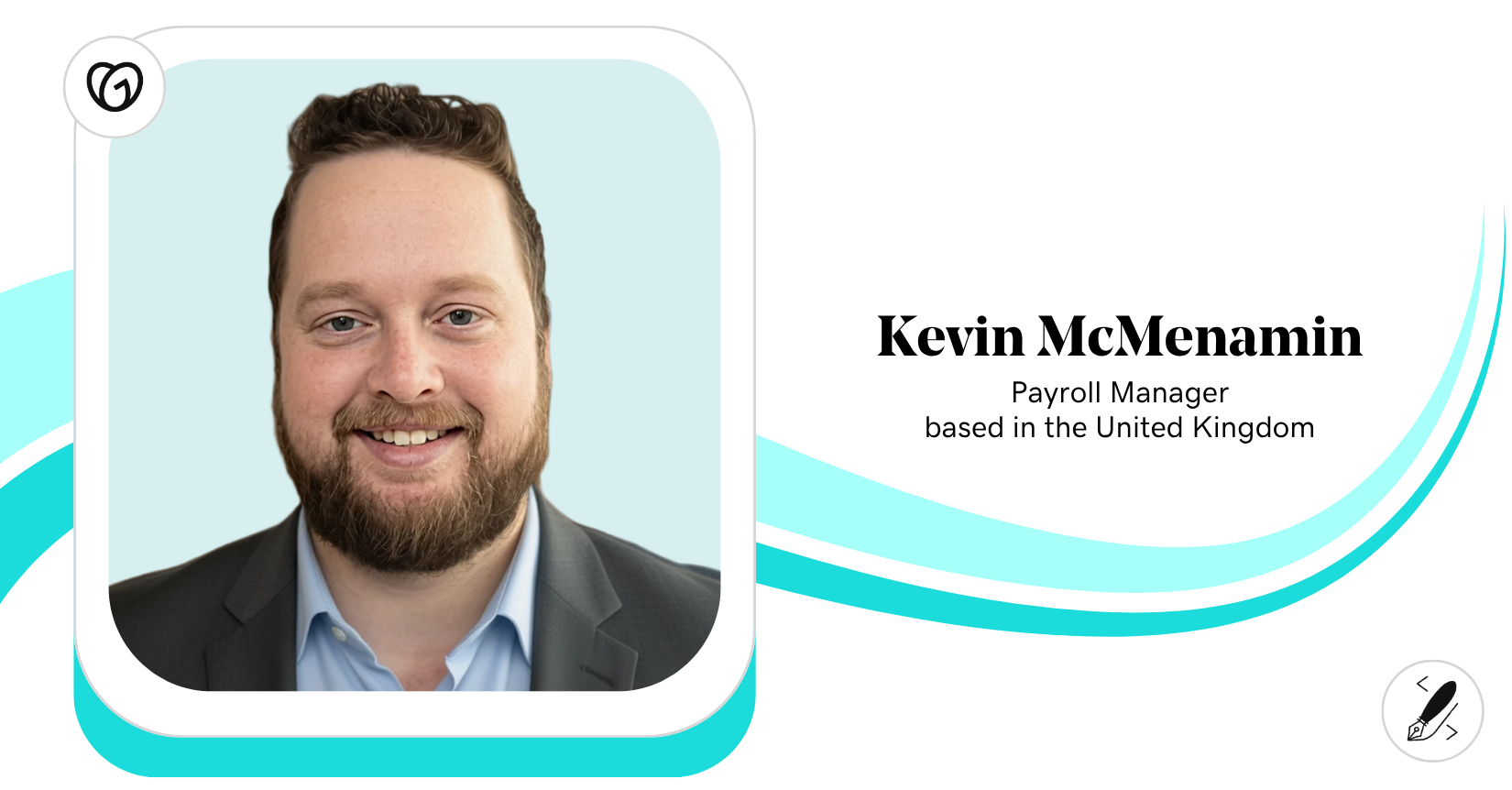
What originally brought you to GoDaddy, and how has your career evolved since joining the Care organization?
I joined GoDaddy in 2016 alongside my manager - a close friend from my previous job. Before coming here, we ran the top‑performing cellphone retail store in our district, finishing that year in the top 10% of sales across the entire company. After achieving so much together, we were ready for a new challenge and excited to grow within a company known for its supportive culture and opportunities to advance. We were both hired into CDT (outbound sales in the Customer Development Team) and quickly found that GoDaddy was a company that had true potential for hitting new heights!
In 2017, I moved to inbound sales and support where I learned new skills focused in testing processes with specialty pilots and sharing my knowledge and love of training with shadowing opportunities. I was lucky to be a part of the Flying Unicorns Pilot to test the success of balancing financial incentives versus organic conversations without the stress of sales goals. I was also given the opportunity to host shadows ranging from new hires still in training to a member of the Board of Directors. It was an incredible chance to showcase my skills, demonstrate my expertise, and share my ideas and perspectives on how to drive the department’s success.
In 2018, I found the Website Design Services Department (WDS) in a “job fair” type event where other departments came to showcase the roles and responsibilities of their staff. I applied and was accepted as a Website Specialist I supporting our customer’s website builds post publish with updates and maintenance. WDS is an incredibly unique and close‑knit department, and it was in this role that I truly felt I’d found a place where I could be happy, dig in, and genuinely thrive. In the last seven years, I have deeply loved the work and the team I’ve grown with. I moved through three different roles within WDS between 2018 and 2021, each one expanding my knowledge, sharpening my skills, and deepening my love for the website design world. These roles included managing projects of varying complexity and functionality needs, from intake, to content management, to website development, all the way through publishing. I later transitioned into an internal‑facing role during the rise of COVID, where I supported our sales teams by validating service capabilities and confirming functionality. This work helped increase WDS sales and reduce misqualifications.
In 2021, I was paired with a Team Manager who poured into developing my leadership skills. Their guidance helped me grow in ways that strengthened my passion for training, mentoring, and supporting the peers around me. I became a Lead for WDS in 2021 and immediately threw myself into developing and expanding a team of agents that we called the Jedi Council, who had the same drive to teach, guide, and grow our newly hired reps that I did in my prior roles. Their mission was to create a peer‑to‑peer training program that helped new hires quickly upskill in a department with a uniquely complex workflow. Beyond training, the Council also focused on building strong inter‑team relationships, helping new teammates gain confidence, feel supported, and establish rapport with their coworkers from day one. The Lead Role was where I started to develop myself into the manager I am today. I was given opportunities to expand my responsibilities of my role with multiple interim Team Manager stints. I found that in those stretches, I was able to test out my own unique ways of supporting those teams. Stretching myself to build up the teams, while scary at first, sparked a light in me, one I wanted to grow and carry to even greater heights.
In 2023, I was offered an interim Team Manager role with a pilot team within WDS called the Surger Initiative. This team was an open opportunity to stress test both my upskilling and support skills as well as develop my leadership skills. This team thrived because of our shared drive to meet (and exceed) our goals, and that success ultimately gave me the confidence to recognize that stepping into a permanent Team Manager role was the natural next step in my journey. And in 2024, I officially stepped in to my own Team Manager position, supporting my team dubbed the “Mollipop’s” and we have been “making the web a sweeter place one site at a time” ever since.

What skills helped you advance the fastest in your career, and which ones did you have to intentionally develop?
The skills that accelerated my career early on came naturally to me: adaptability, subject matter expertise, and relationship building. I was comfortable moving between departments—from outbound sales in CDT to inbound support to an entirely different world in Website Design Services. I didn't stay in one lane in any of the departments; I explored, I learned quickly, and I built genuine connections with the people around me. Those relationships opened doors. People wanted to work with me, and that credibility allowed me to gain visibility and opportunity. But here's what I discovered: those skills got me promoted, but they didn't necessarily make me a leader. There was this moment when my mindset shifted from "I'm good at my job" to "I want to make those around me good at theirs" and with that new focus, it required learning an entirely new set of skills, and none of them came naturally to me.
I had to intentionally develop strategic thinking about workflows and systems. Early in my career, I was proud of executing well within frameworks others created. But becoming a leader meant moving from "I do this job excellently" to "how do I design systems that allow my team to excel?" That's a fundamentally different skill. It required me to step back from the work itself and think about the structure around it. But that strategic thinking only mattered if I could also develop the emotional and interpersonal skills to lead through it. I struggled with confidence in seeing past my own perspective. Fear of failing or missing the big picture kept me from being as proactive as I needed to be. I catastrophized my mistakes, treating them as dead ends rather than learning moments. My emotions ran my thoughts in hard experiences, which meant I wasn't emotionally available to support my peers through theirs. But as I moved through different roles over the years, with my leaders supporting my desire to learn how to be better, something shifted. I learned that failures weren't proof I was incapable; they were information I could learn from. I did the work to process my emotions differently so I could think clearly in hard moments instead of getting stuck in shame. I became emotionally available for my team because I'd learned to be emotionally available for myself. Looking back, my natural gifts opened doors and built credibility. But my willingness to intentionally develop the harder skills—strategic thinking, emotional maturity, confidence in my perspective, and the ability to build systems instead of just executing within them—that's what allowed me to actually lead. That's what transformed me from someone who was good at their job into someone who could make their team good at theirs.

How do you balance experimentation with consistency when leading a customer-facing team?
I believe the key to balancing experimentation with consistency is showing up as a predictablyhonest leader, especially when things get difficult. During our WDS phase dubbed the "Incubator Test", we attempted to blend inbound and outbound work with live transfers and scheduled appointments. It was innovative in theory, but ultimately unsustainable. Our team carried the weight of that imbalance, and burnout crept in quickly. But what I learned through those five difficult months was that consistency doesn't mean never changing course, it means being reliably present and human while you're navigating that change. When the "going gets tough", my team needs to know I won't shy away from the hard feedback or difficult conversations. I made it a point to acknowledge in every team meeting what wasn't working and validate how our reps were genuinely struggling. By creating space for them to be vulnerable about their experiences, something unexpected happened: they started identifying not just shared struggles, but also the coping strategies and mindset shifts that were actually helping them survive. They only felt safe enough to share that with me because they knew I would consistently meet them with patience and understanding, not defensiveness. That's where "the tough had a place to rest" before trying again.
When your team trusts that you'll be honest about what's working and what isn't, and that you'll honor their experience along the way, they're willing to experiment the ends of the earth with you. They know you have their backs, and they'll follow you into the next iteration with confidence. That reciprocal trust, between leader and team, is what makes both experimentation and consistency actually sustainable.
What's your approach when a team member has the potential to grow but doesn't yet see it in themselves?
My approach is rooted in something I learned from a very dear friend and team mate: there were people around me that believed in my potential before I believed in it myself. In 2021, I was moved onto a new WS2 team with a Team Manager who intentionally poured into developing me as a leader. That investment changed everything. I went from not seeing myself in a manager role EVER to recognizing I had the capacity to grow into one. Because of that experience, I approach my team members with the same intentionality. When I see potential in someone who doesn't yet see it in themselves, I don't just point it out for them to figure out what to do next, I create conditions for them to discover it and be validated that their skills are on a level they might not have realized.
I also look for opportunities to stretch people in controlled ways. When I led the Surger Initiative, I worked with a team of agents who volunteered to come support a department they had never worked in before. It took tenacity for them to answer the call for help, and to immediately jump into support a workflow completely unique to this department. Yet, when given the basics, they each took their known strengths and ran headfirst. They ultimately found a stride never seen before in WDS, closing out 40% of all tickets for the entire department at their peak. That mutual desire for success was contagious. The Surgers started believing in themselves because the environment made it safe to try, fail, and try again better. The truth is, potential doesn't become real through acknowledgment alone. It becomes real when someone creates space for it to grow: mentorship, meaningful challenges, psychological safety, and visible belief in who they can become. That's what I pour into my team, because I know firsthand how transformative it is when a leader sees you before you see yourself.

What aspects of GoDaddy's company culture do you appreciate the most?
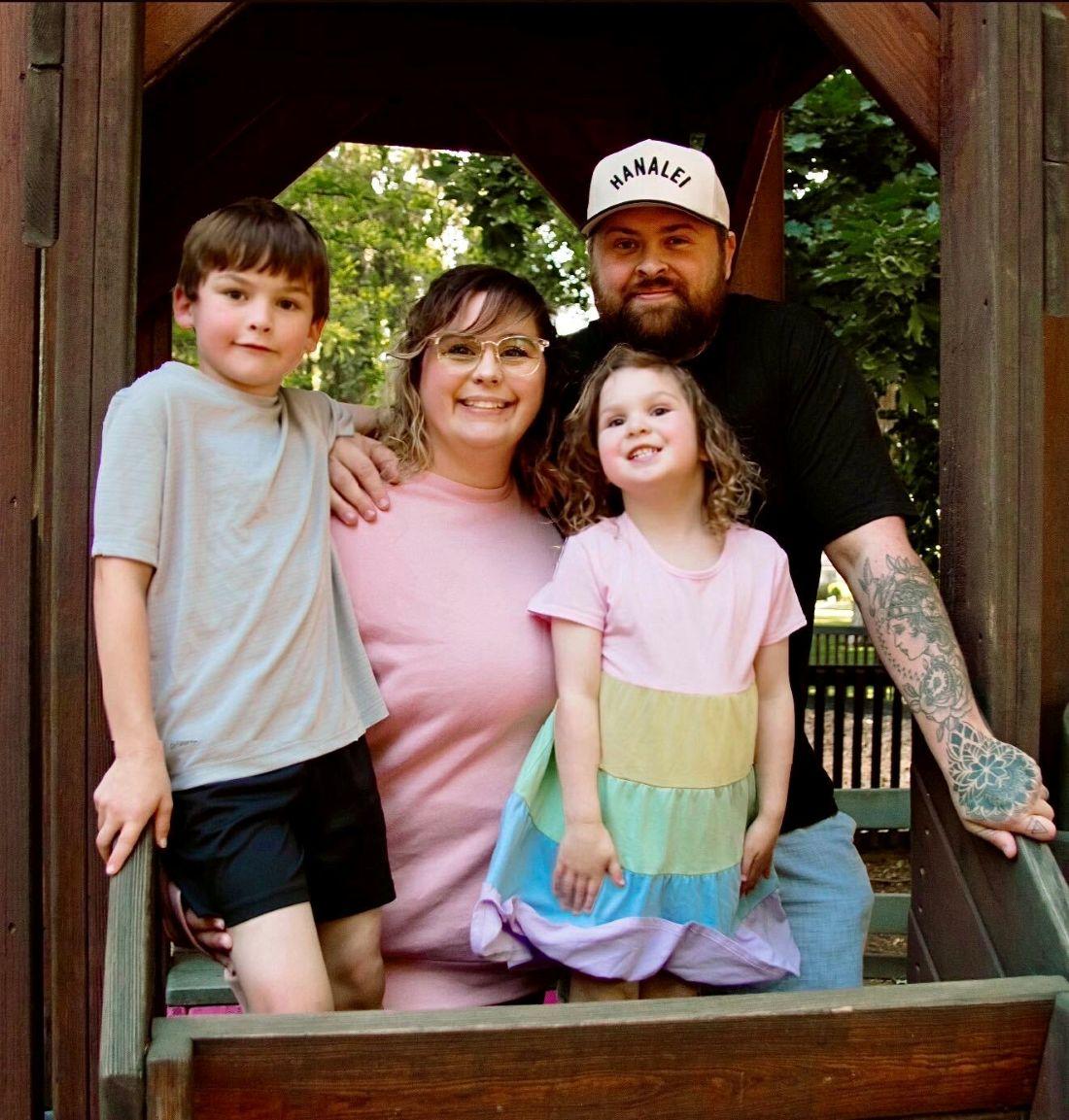
I appreciate that GoDaddy's culture genuinely empowers working mothers to excel rather than simply survive. When I joined GoDaddy before having my two children, I didn't imagine it would be possible to balance being the employee, person, and mother I am today. What makes the difference isn't just the benefits on paper. It's how the company's support system translates into real life. As a mother managing a team and workload, I face the constant challenge of being present for my children's important moments while meeting professional demands. GoDaddy's flexibility and resources give me the breathing room to do both. I can be there for my kids' day-to-day lives and create meaningful memories without sacrificing the growth and impact I want to have in my role. What truly resonates with me is that GoDaddy doesn't view supporting working mothers as a perk that competes with business excellence. They see it as essential to it.
By investing in their employees' wellbeing and growth as whole people, not just workers, the company creates an environment where we can lead effectively, manage our teams with authenticity, and show up as our best selves at home too.
That reciprocal investment, where the company pours into us so we can grow, transforms not just how I work, but how I live.
What's your motto or personal mantra?
For as far back as I can remember, I have been ravenous for learning. I was homeschooled and for a handful of years, my parents would have to hide the next years school books because over the summer, I would find any book I could to learn more. I learned not only interesting (but also sometimes useless) facts, but I was able to explore parts of the world, people, places, animals, and things I never knew existed. This has brought me to find that if I “always stay curious” the answers will always become accessible.
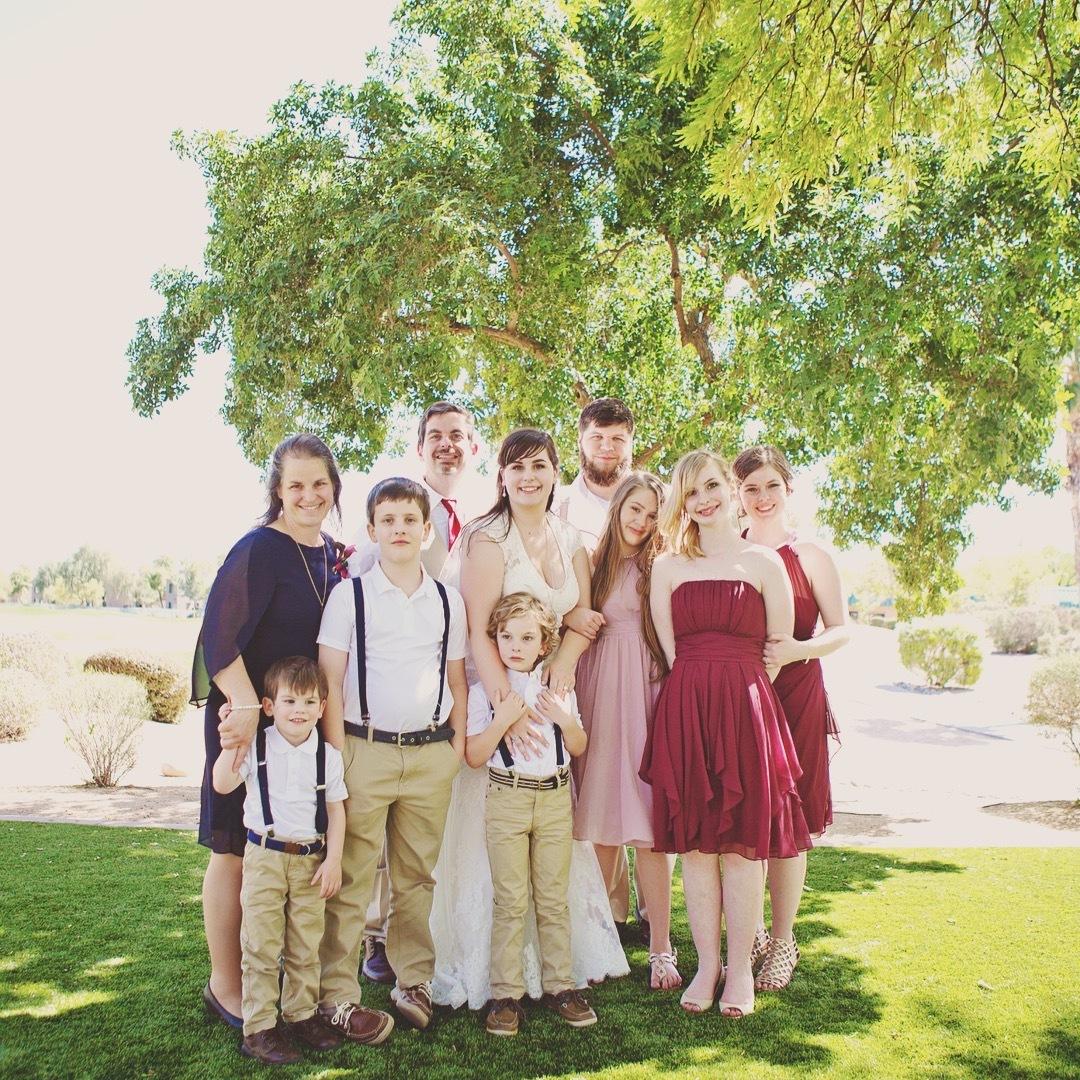
I grew up as the oldest of 8 kids, homeschooled by my Mom, with my Dad working in a Web Dev role from home. Time spent with parents individually was a special treat and I found a way to get to have my Dad’s attention by way of puzzles. He had a multitude of puzzles strewn all around his desk, metal chained brain teasers designed to trick you out of freeing a trapped ring, wooden blocks that demanded spatial reasoning (and sometimes begging), and countless others that ranged from deceptively simple to genuinely mind-bending. He would hand me a puzzle, ask me to solve it, and go back to finishing his coding task at hand. In 10 minutes, I'd either solve the puzzle and get his acknowledgement and celebration, or get stuck and have him walk me through it. What mattered the most to me as his daughter was that look of pride on his face when he saw the giant smile on my face from learning something new from my Dad. All those times spent taught me that so much of "life is a puzzle, not a problem” and that the solution was always possible when you were willing to try, not be afraid to fail, and to learn from those around you.
Photographer Information
Are you enjoying this series and want to know more about life at GoDaddy? Check out our GoDaddy Life social pages! Follow us to meet our team, learn more about our culture (Teams, ERGs, Locations), careers, and so much more. You’re more than just your day job, so come propel your career with us.