Choosing how to get your products into customers’ hands is one of the biggest decisions you'll make as a business owner. Should you sell through retailers and wholesale partners to reach a wider audience, or build your own direct-to-consumer (DTC) brand and sell straight to shoppers? Each approach comes with its own opportunities, challenges, and trade-offs that can shape everything from your profit margins to your customer relationships.
The good news is that there isn't a one-size-fits-all answer. The right sales model depends on your products, goals, resources, and the type of experience you want to create for your customers. In this guide, we'll compare wholesale distribution vs. DTC, break down the pros and cons of each approach, and help you decide which strategy is the best fit for your business.
Disclaimer: This content should not be construed as legal or financial advice. Always consult an attorney or financial advisor regarding your specific legal or financial situation. All trademark rights belong to their respective owners. Third-party trademarks are used here for demonstrative and educational purposes only, use does not represent affiliation or endorsement.
Wholesale distribution and DTC explained
Wholesale distribution is a business-to-business (B2B) model where you sell products in bulk to intermediaries like retailers, who then sell to end consumers. Direct-to-consumer (DTC) means selling your products straight to customers without middlemen, typically through your own physical or online store.
Wholesale distribution is often best for businesses looking to scale quickly through retail partnerships with predictable cash flow. DTC is generally best for businesses prioritizing brand control, higher margins, and direct customer relationships.
However, as a company grows, it can and should run both DTC and wholesale channels. This can lead to conflicts, but they’re manageable with the right strategy.
Direct vs. indirect distribution
Say you have one or more consumer products to sell. You know your target audience, i.e., who you want to sell it to. The question is, how will you do that?
You have two basic options: direct and indirect distribution.
Direct distribution means you sell directly to the target consumer group. Sales like these are also called DTC and business-to-consumer (B2C).
Indirect distribution means you sell to an intermediary (e.g., a retailer). This is a form of B2B, or wholesale distribution. The intermediary typically buys your products in bulk, then sells them to the end user with a markup.
More and more, buyers are shopping omnichannel. Businesses that sell through multiple channels, including wholesale partners and DTC storefronts, can benefit from this shift by reaching customers wherever they choose to shop.
Wholesaler examples
Many businesses use wholesale partners to quickly reach large audiences. For example:
- Walmart attracts more than 250 million visits globally each week, giving brands access to a massive built-in customer base. Learn how to sell on Walmart Marketplace here.
- Costco offers opportunities to supply products under its Kirkland Signature private label, allowing manufacturers to generate sales without building their own consumer brand.
- Amazon gives businesses multiple wholesale and fulfillment options, making it easier to reach online shoppers while outsourcing much of the logistics. Read this beginner’s guide to Amazon to see how it works.
How do wholesale distribution and DTC compare to each other?
In simple terms, any method of selling to consumers is considered "direct-to-consumer." That includes:
- Brick-and-mortar stores
- Ecommerce stores
- Trade events and shows
- Physical mail orders
Any method of selling products to another business that will then resell them to consumers is considered wholesale distribution. That includes:
- Retail stores
- Department stores
- Specialty shops
- Online retailers and marketplaces
- Distributors and wholesalers
Wholesalers tend to require detailed applications with business identification, as well as minimum order guidelines. They generally don’t sell items to the general public because they generate the most revenue when they sell in bulk and customize deals to particular buyers (often retailers).
Wholesale vs. DTC: side-by-side comparison
| Factor | Wholesale Distribution | Direct-to-Consumer (DTC) |
|---|---|---|
| Order Volume | Fewer orders, large bulk quantities | Many orders, small quantities per order |
| Profit Margins | Lower per-unit (typically 50% off MSRP to retailers) | Higher per-unit margins |
| Customer Relationship | Owned by retailer | Owned by you |
| Operational Complexity | Lower (retailer handles fulfillment, returns) | Higher (you manage everything) |
| Marketing Requirements | Relationship-focused, B2B sales | Broad consumer marketing, higher ad spend |
| Brand Control | Limited (retailer decides presentation) | Full control over experience |
| Cash Flow | Predictable bulk payments | Variable, dependent on customer acquisition |
| Data Access | Limited customer insights | Direct access to customer data |
Operational differences between wholesale distribution and DTC
Major aspects of your business will change depending on whether you're opting for wholesale or DTC channels, including:
- Number of orders
- Quantities of product per order
- Total order value
- Type of marketing, sales, and customer support
- Operational cost structure
Amount of orders, units, and order value
Wholesale businesses typically process fewer orders, but each order contains a larger quantity of products and has a higher overall value. DTC businesses process many more individual orders, each with fewer items, resulting in a lower average order value (AOV).
Marketing, sales, and customer support
Wholesale distribution is relationship-driven, so sales typically take priority over marketing. Instead of attracting individual shoppers, your team focuses on building long-term partnerships with retailers, distributors, or other business buyers.
DTC businesses place a greater emphasis on marketing and customer experience because they sell directly to individual shoppers. They also need systems to manage a much higher volume of day-to-day operations, including:
- Inventory management
- Supply chain management
- Orders
- Payments
- Returns
- Customer support inquiries
Operational cost structure
DTC businesses take on many of the responsibilities that retailers typically handle in a wholesale model. In addition to investing more in marketing and sales to attract customers, DTC brands are often responsible for fulfillment and inventory, including warehouse management, packing, and shipping orders.
Some retailers and third-party logistics (3PL) providers offer fulfillment services for DTC brands. Even so, the additional operational responsibilities of a DTC business can significantly increase your overall costs compared with selling through wholesale partners.
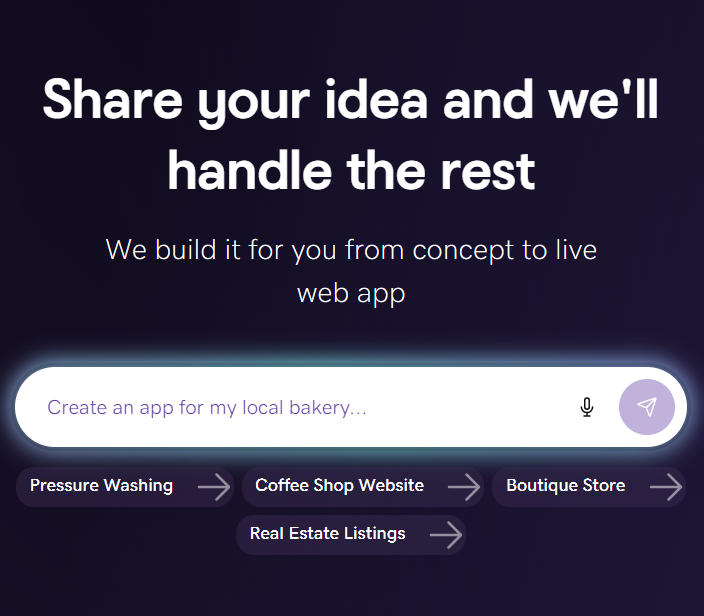
As your business grows, technology becomes increasingly important for keeping operations efficient. Tools like GoDaddy Airo AI Builder can help you quickly create and optimize your online presence.
Pros and cons: Wholesale distribution vs. DTC
Now that we've covered some of the processes involved with both wholesale and DTC, let's examine each model’s benefits and potential drawbacks.
Wholesale distribution
Advantages
- Access to established customer bases through retail partners
- Lower operational burden, since retailers handle fulfillment, returns, and customer support
- Predictable bulk orders and cash flow
- Faster market penetration without building consumer awareness from scratch
- Reduced inventory risk after any initial consignment period, as retailers typically assume responsibility for unsold products
A major benefit of wholesale is the role retailers play as intermediaries. Retail partners help:
- Introduce your products to customers who are already shopping with them
- Process orders and payments
- Manage fulfillment and delivery
- Handle returns and customer support
Disadvantages
- Lower profit margins, since retailers typically purchase products at wholesale prices that are significantly below MSRP
- Limited control over pricing, merchandising, and brand presentation
- Less direct access to customer data and feedback
- Dependence on retailer relationships and their business decisions
- Potential brand dilution if your products are sold through discount-focused retailers
Retailers often control promotions, pricing, and the in-store customer experience. While this can expand your reach, it also means you have less influence over how shoppers perceive your brand compared with selling directly to consumers.
Direct-to-consumer (DTC)
Advantages
One of the biggest advantages of DTC is control. Unlike wholesale, where retailers decide how products are displayed, priced, and promoted, DTC lets you shape every part of the customer journey. You also own the customer relationship, giving you valuable insights into buying behavior through channels like your website, email, SMS marketing, and social media. Those insights can help you improve products, personalize marketing, and make more informed business decisions.
DTC also offers:
- Higher profit margins per unit sold
- Direct access to customer data and purchasing behavior
- Ability to build direct customer relationships and loyalty
- Flexibility to test products and adjust quickly based on feedback
Disadvantages
- Higher customer acquisition costs (online ad costs have risen significantly over the past decade)
- Full responsibility for marketing, fulfillment, returns, and customer support
- Requires significant investment in technology and operations
- Slower path to scale without retail distribution
- Must build brand awareness from scratch
Growing a DTC business requires ongoing investment. As online advertising has become more competitive, customer acquisition costs have increased for many brands. Businesses must also manage fulfillment, returns, and customer service, either in-house or through 3PL providers.
Is DTC still worth it?
DTC ecommerce is not a fad. More than a decade ago, brands like Dollar Shave Club helped show how powerful it could be to sell directly to customers online. These early DTC brands built strong customer relationships, attracted investor attention, and proved that ecommerce could help new businesses compete without relying on traditional retail partners.
Since then, the DTC market has become more competitive. As more brands moved online, digital advertising costs increased, making it more expensive to acquire customers. That has led some to question whether DTC ecommerce still has the same growth potential it once did.
But DTC is far from over. Interest in DTC has risen and fallen over time, but online sales remain a powerful opportunity for motivated entrepreneurs. The pandemic caused a surge in ecommerce sales, and while some of that has leveled off, the shift reinforced an important point: Customers are comfortable buying directly from brands online.
That said, DTC does not mean physical retail is irrelevant. Customers still value in-store shopping because it allows them to see products in person, ask questions, and make purchases quickly. Retailers can also support DTC brands through fulfillment services, such as storing inventory, shipping online orders, or offering pickup options for customers.
The hybrid model: combining wholesale and DTC
Many successful brands don't choose between wholesale distribution and DTC. Instead, they use both to create an omnichannel sales strategy. This hybrid approach allows businesses to expand their reach through retail partners while maintaining direct relationships with customers through their own sales channels.
A hybrid model may be a good fit if:
- You've established a foundation in one channel and have the resources to expand into another.
- Your products can be differentiated across channels, such as offering exclusive colorways in retail stores and product bundles on your website.
- You can coordinate pricing and promotions without competing directly with your retail partners.
To make a hybrid strategy successful:
- Offer channel-exclusive products, bundles or packaging to reduce direct competition.
- Coordinate promotional calendars with retail partners to maintain strong relationships.
- Use your DTC channels to collect customer data and test new products before expanding successful offerings through wholesale.
- Consider different product tiers or price points for each channel to appeal to different customer segments.
How to choose between wholesale, DTC, and hybrid models
Still not sure which model is right for your business? Use the sections below as a guide.
Choose wholesale if you:
- Have limited marketing budget and want immediate market penetration
- Lack fulfillment infrastructure (warehouse, shipping, returns processing)
- Want predictable bulk revenue over higher per-unit margins
- Are comfortable with less control over brand presentation
- Need to prove market viability to investors before scaling DTC
Choose DTC if you:
- Want to own customer data and build direct relationships
- Prioritize brand control and customer experience
- Can invest in marketing and customer acquisition
- Have or can build fulfillment capabilities
- Want to maximize per-unit profit margins
Consider a hybrid model if you:
- Have established success in one channel and want to expand
- Can manage potential channel conflict through exclusive products or coordinated promotions
- Want to reach omnichannel shoppers who buy across multiple platforms
- Have the operational capacity to support both B2B and B2C sales
Should your business focus on DTC or wholesale in the beginning?
The best channel to start with depends on your goals, resources, and expertise. There isn't a universal right answer, but a few factors can help guide your decision.
With DTC, you build a direct relationship with your customers from day one. That gives you complete control over your brand and access to valuable customer data that can shape future product development and marketing. You'll also need to become an expert in attracting customers through channels like SEO, social media, email marketing, and paid advertising.
With wholesale, your primary customer is the retailer. While your products ultimately need to resonate with consumers, you'll also need to understand what motivates retail buyers and how products succeed in a retail environment. That means learning about merchandising, packaging, promotions, and shelf placement while building strong relationships with retail partners.
No matter which model you choose, understanding your end customer is crucial. Your brand's value to retailers is ultimately driven by its value to consumers. Even if you sell through wholesale partners, customer insights gathered through your website, social media, and other marketing efforts can help you improve your products and strengthen your retail relationships.
A good rule of thumb is to start with the channel that best matches your current strengths. Once you've established a solid foundation, you can expand into the other channel to create an omnichannel strategy.
Will DTC or wholesale distribution be more profitable for your business?
Neither model is inherently more profitable. DTC generally delivers higher margins on each sale because you aren't selling products to retailers at wholesale prices. However, those higher margins come with higher expenses, including marketing, fulfillment, technology, and customer support.
Wholesale typically produces lower margins per unit but offers larger, more predictable orders while shifting many operational responsibilities to retail partners.
Rather than asking which model is more profitable overall, ask which one makes the most sense for your business today. Consider your available capital, operational capacity, marketing expertise, and long-term growth goals.
Tips for success
No matter which sales model you choose, these best practices can help set your business up for long-term success.
If you're selling DTC
- Invest in your online presence with a professional website that's easy to navigate and purchase from.
- Build relationships with customers through email marketing, social media, and personalized customer service.
- Use customer data and feedback to improve products, marketing campaigns, and the overall buying experience.
- Track customer acquisition costs and focus on marketing channels that generate the best return on investment.
If you're selling wholesale
- Choose retail partners carefully. Some retailers focus heavily on discounts, which may not align with your brand positioning. Wholesale supplier scams are also common.
- Consider starting with smaller retailers, which may offer more flexible terms than large national chains.
- Make it easy for retailers to verify that your business is legitimate by maintaining a professional website, clear contact information, and accurate product documentation.
- Understand any industry-specific regulations that may affect wholesale sales, especially in highly regulated industries.
- Help customers find your products by including a store locator or list of retail partners on your website.
If you're using a hybrid model
- Coordinate promotions with retail partners to avoid channel conflict.
- Offer channel-exclusive products, bundles, or packaging to reduce direct competition.
- Keep pricing strategies consistent across channels whenever possible.
- Use your DTC channel to gather customer insights and test new products before expanding successful offerings through wholesale.
Focus on the best fit for your business right now
The best sales strategy is the one that aligns with where your business is today. DTC gives you greater control over your brand and customer relationships, while wholesale can help you scale faster and reduce operational demands. As your business grows, you can always expand into the other channel to create an omnichannel strategy that combines the strengths of both.
FAQ
What is the difference between wholesale and DTC?
Wholesale means selling large quantities of products to other businesses (like retailers), which then sell them to customers. DTC (Direct-to-Consumer) means selling products straight to the customers who will use them, without any middleman.
What is the difference between wholesale and direct retail?
In wholesale, a business sells large quantities of products to other businesses at discounted prices (typically 50% off MSRP), who then sell those products to customers. In direct retail, the business sells its products straight to its customers through a physical or online store at full retail price.
Is it better to sell wholesale or retail?
It depends on your business goals and resources. Selling wholesale means you sell large quantities to other businesses with lower profit margins per item but faster market reach and lower operational burden. Selling retail (DTC) means you sell directly to customers with higher profits per item and more brand control, but it requires more investment in marketing and operations. Think about what fits your business best!
What does DTC mean in shopping?
DTC stands for "direct-to-consumer." It means that a brand or company sells its products straight to customers without using any middlemen, like stores or wholesalers. This often happens through online shopping websites or brand-specific stores.
Which is more profitable: wholesale or DTC?
DTC typically offers higher per-unit margins since you're not giving retailers a wholesale discount (often 50% off MSRP). However, wholesale provides more predictable bulk revenue with lower customer acquisition and operational costs. Your actual profitability depends on your marketing efficiency, operational costs, and sales volume in each channel.