
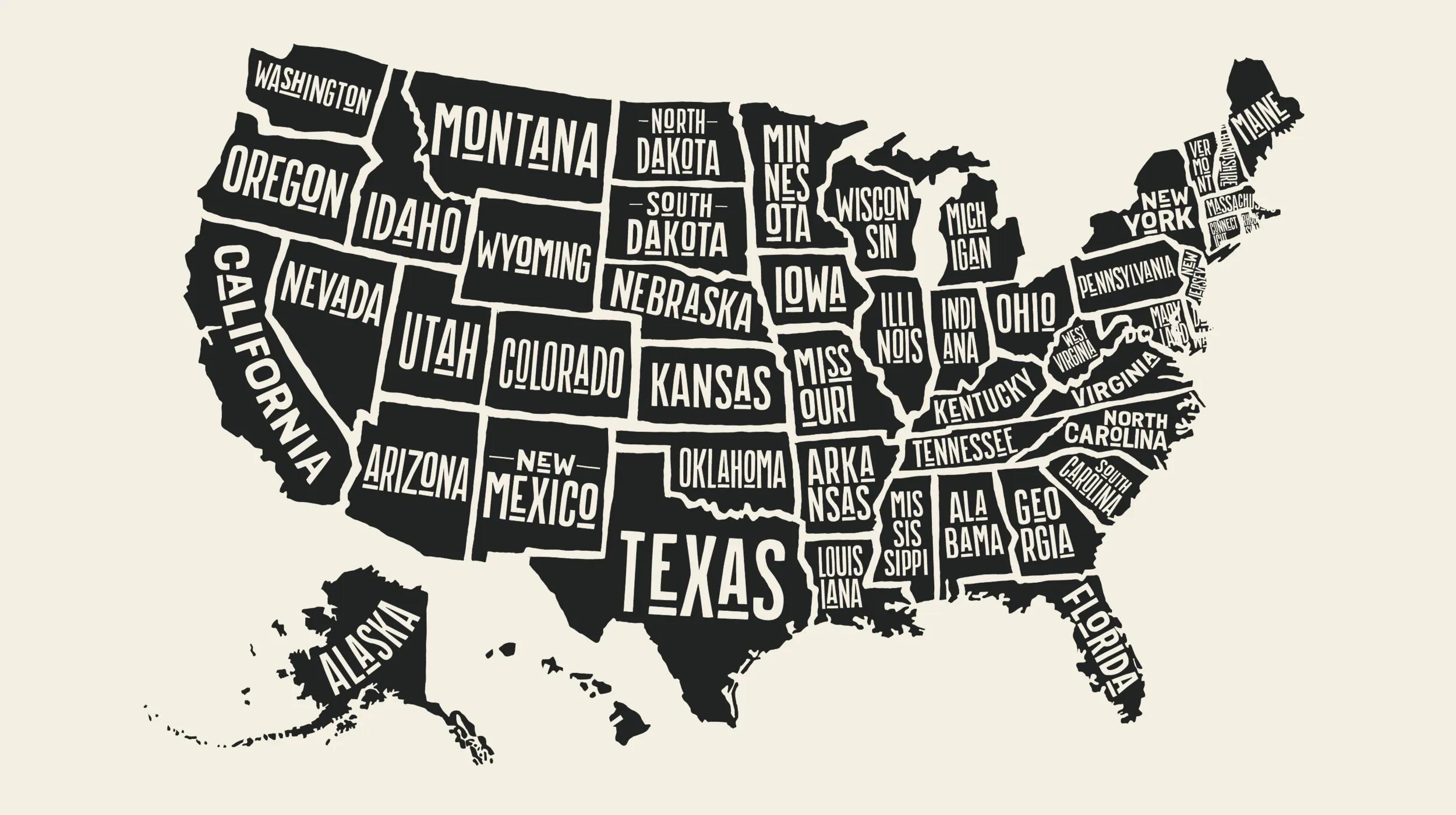

Choosing where to form your LLC is one of the first big decisions you’ll make as a business owner. Each state offers different advantages, from tax benefits and filing fees to privacy protections and business-friendly regulations.
Understanding what makes one state more appealing than another can help you save money, stay compliant, and set your business up for long-term success. Let’s explore the best states to start an LLC in 2026 and what makes them stand out.
Related: Choose an LLC name
How to pick the right state for your LLC
Finding the best state to start an LLC depends on more than just where you live. Each state has unique benefits and challenges that can affect your costs, compliance requirements, and overall flexibility as a business owner. Before you decide, consider the following:
- Formation and annual costs: Compare filing fees, renewal costs, and any required state business taxes.
- Tax structure: Some states offer lower corporate or franchise taxes, while others have no income tax at all.
- Compliance requirements: Review LLC Annual Report obligations, deadlines, and administrative steps, and determine whether an LLC operating agreement is required.
- Privacy protections: Some states allow you to keep personal information out of public records for added security.
- Legal and business climate: States with strong business laws and predictable regulations can simplify operations.
- Support for remote or online businesses: Consider how easily you can manage your LLC if you operate primarily online or across state lines.
Home state vs. other state
Every entrepreneur faces the same question when forming an LLC: Is it better to register where you live or in another state? The answer depends on how you plan to run your business and what you value most: simplicity, cost savings, or flexibility.
Forming an LLC in your home state keeps things straightforward, but choosing another state can sometimes offer strategic advantages. Use the comparison below to understand how each option measures up before deciding where to file. When you’re ready, register your LLC with GoDaddy.
| Factor | Forming in your home state | Forming in another state |
|---|---|---|
| Simplicity | Easiest to manage because there’s only one set of rules, fees, and filing requirements. | Usually involves extra steps, including registering as a foreign LLC if you do business in your home state. |
| Costs | Typically lower since you pay fees and taxes in only one state. | Often higher due to duplicate filing, renewal, and registered agent costs. |
| Compliance | One set of reporting and tax obligations to track makes staying compliant easier. | Requires staying compliant in both states, increasing administrative work. |
| Tax considerations | You file and pay taxes only where you operate. | Possible tax advantages in certain states, but may add complexity; will likely have to file in multiple states. |
| Privacy | Depends on your state’s disclosure policies. | Some states offer greater privacy protections for LLC members and managers. |
Paying taxes
Business taxes for LLC are generally owed in the state where your business operates or earns income.
If your company does business in more than one state, you may have tax obligations in each of those states based on where your revenue is generated.
For example, if your online business is registered in one state but sells products nationwide, you would pay income and possibly franchise taxes in your home state, as well as collect and remit sales tax in other states where you sell goods.
Depending on the state, you may have to pay:
- State income tax: Applies to profits your business earns within that state.
- Franchise tax: Charged by some states for the privilege of doing business there, even if your LLC doesn’t earn income.
- Sales tax: Required if you sell products or taxable services to customers in a state that collects sales tax.
- Employment tax: Applies if you have employees working in that state.
Foreign vs. domestic LLCs
When forming an LLC, you’ll often see the terms domestic and foreign used to describe your business status. These terms don’t refer to countries but rather to how your LLC operates within different states. Here’s a simple breakdown:
| LLC type | Definition | When it applies |
|---|---|---|
| Domestic LLC | An LLC formed and registered in the state where it primarily conducts business. | You register your LLC in your home state and operate there. For example, a business formed and operating in Texas is a domestic LLC in Texas. |
| Foreign LLC | An LLC formed in one state but registered to do business in another. | You expand operations or regularly conduct business in additional states. For instance, if your LLC is registered in Texas but also operates in Florida, you must register as a foreign LLC in Florida. |
Knowing which category your business falls into helps you manage state filings, tax obligations, and annual reports more efficiently. Learn more about different types of LLCs here.
Registering an LLC in multiple states
Some businesses operate in more than one state, especially as they grow or expand online. In those cases, you may need to register your LLC in multiple states to stay compliant. This process helps ensure your business can legally operate, hire employees, and pay taxes wherever it earns income.
You might register your LLC in more than one state if:
- You have offices, warehouses, or employees in different states.
- You frequently conduct in-person business or provide services across state lines.
- You sell products in states where you have a significant customer base or physical presence.
You can register in multiple states by following these steps:
- Form your LLC in one state. This becomes your “home” or domestic LLC.
- Register as a foreign LLC in every other state where you operate or plan to do business.
- Appoint a registered agent in each state to receive legal and tax documents.
- Comply with tax and reporting requirements for each state, including annual filings and fees.
Each state has its own pros and cons, but what matters most is where your business actively conducts operations. Choosing states based solely on tax advantages can lead to more complexity and higher costs if you still need to register elsewhere.
Lowest cost states for LLCs
If keeping startup costs low is a priority, some states make forming and maintaining an LLC more affordable than others. The states below are known for straightforward filing processes and minimal ongoing expenses, making them great options for cost-conscious entrepreneurs. Keep in mind that you’ll also need to factor in business licenses, permits, taxes, and registered agent fees.
Want to explore more options? Check out this guide on LLC cost.
Arizona: low filing fee and minimal ongoing costs
Arizona keeps LLC formation simple and affordable. The filing fee for Articles of Organization is $50, and there’s no annual report fee, meaning you won’t need to worry about recurring state payments to keep your business in good standing. This structure makes Arizona appealing for small business owners who want to focus on growth rather than administrative upkeep.
Kentucky: low formation and annual report fees
Kentucky offers one of the lowest LLC formation fees in the country. It’s only $40 to file your Articles of Organization. The state also charges a modest $15 annual report fee to maintain your LLC each year. This predictable and low-cost setup gives Kentucky business owners an easy way to manage compliance without breaking their budget.
Missouri: low initial filing cost, no annual fee
Missouri is another budget-friendly state for LLC formation. You’ll pay $50 to file your Articles of Organization online, and there are no annual report or renewal fees to maintain your LLC. This one-time payment structure keeps startup and long-term costs low, which can be especially beneficial for solo entrepreneurs or small business owners watching their expenses.
Top states for tax benefits
Some states give LLC owners an edge when it comes to taxes. These states make it easier to keep more of what your business earns, thanks to the absence of state income or corporate taxes. While your business may still be responsible for federal taxes, choosing a state with a lighter tax burden can simplify your overall financial strategy and reduce costs over time.
Wyoming: no personal or corporate income tax
Wyoming is one of the most tax-friendly states for LLC owners. The state has no personal or corporate income tax, meaning your business profits aren’t taxed at the state level. This setup makes it especially appealing for entrepreneurs who want to maximize take-home earnings and minimize administrative tax filings each year.
South Dakota: no state income tax for individuals or corporations
South Dakota stands out for its straightforward, low-tax environment. The state levies no income tax on individuals or corporations, which means your LLC’s profits can pass through to you without added state tax obligations. This simplicity makes South Dakota a strong contender for small business owners seeking a clean, low-maintenance tax structure.
Texas: no personal state income tax
Texas also doesn’t have state income tax on personal earnings. While LLCs may still be subject to a modest franchise tax depending on revenue, owners benefit from not paying personal income tax on profits. This balance gives Texas business owners more flexibility and keeps personal tax burdens lower year after year.
Best states for privacy and anonymous LLCs
For some entrepreneurs, privacy is just as important as profit. Certain states allow LLC owners to stay off the public record, offering greater protection against unwanted disclosure or data exposure. These “anonymous LLC” states make it easier to protect personal details while maintaining compliance and flexibility for your business.
New Mexico: members not listed in public filings
New Mexico offers one of the strongest privacy protections for LLC owners. The state does not require member or manager names to appear in public filings; only the registered agent and organizer must be listed. This makes New Mexico a great choice for anyone seeking confidentiality and minimal reporting.
Nevada: strong privacy laws, minimal disclosure
Nevada’s business laws prioritize privacy and discretion. The state requires limited disclosure in its formation documents, allowing owners to keep identifying information off public records. Nevada also offers strict data protections and doesn’t share ownership information publicly.
Alabama: privacy for members in filings
Alabama provides an added layer of privacy by not requiring member names to be listed on formation documents filed with the state. Only basic business details and the registered agent’s information appear in public databases. This makes Alabama an appealing option for small business owners who prefer to keep ownership private without added administrative steps.
States with strong asset protection
A key advantage of forming an LLC is separating personal and business assets. Some states strengthen that protection even further with laws that limit creditors’ access to your company’s property or profits. These states make it harder for business liabilities to impact your personal finances.
Delaware: strong charging order protections
Delaware is known for its robust business laws and consistent court system. The state’s charging order protection prevents creditors from seizing control of an LLC or its assets. Instead, a creditor can only claim a member’s share of distributions, which preserves the company’s operations and safeguards ownership.
Alaska: advanced asset protection statutes
Alaska offers some of the most comprehensive asset protection laws in the country. LLC owners benefit from statutory protections that limit creditor remedies and make it difficult to force the sale of a member’s ownership interest. These strong safeguards, paired with favorable trust laws, make Alaska appealing for business owners seeking long-term financial security.
Utah: strong statutory protections for LLC members
Utah’s LLC laws are designed to protect members from personal liability while offering flexibility in how the business is structured. The state provides charging order protections similar to Delaware’s, ensuring creditors can’t directly access company assets.
What to know about changing states later (domestication)
If your business grows or relocates, you may decide to move your LLC to a new state. Many states allow a process called domestication (or conversion), which lets you transfer an LLC to another state without dissolving it and starting over. This approach helps preserve your business’s history, tax ID, and bank accounts while updating your legal home base.
Here’s how the process typically works:
- Confirm eligibility. Make sure both your current and new states allow LLC domestication. Not every state offers this option.
- File a certificate of domestication. Submit required documents to the new state’s Secretary of State along with updated Articles of Organization.
- Notify the original state. File a certificate of conversion or withdrawal to end your registration in the previous state.
- Update licenses and registrations. Review business licenses, tax registrations, and permits to align with your new state’s requirements.
- Keep records current. Update your operating agreement, registered agent, and business address to reflect the move.
Choosing a state to register your LLC
Choosing the best state to start an LLC depends on more than just low fees or tax perks. The right choice comes down to where you plan to operate, how you want to manage compliance, and what level of privacy or protection you need. Taking time to compare each state’s benefits helps you make a decision that supports your business goals today and sets you up for long-term success.
When you’re ready to make it official, you can register your LLC with GoDaddy. GoDaddy’s step-by-step setup makes it simple to file in your preferred state, manage your paperwork, and start your business off on the right foot.