
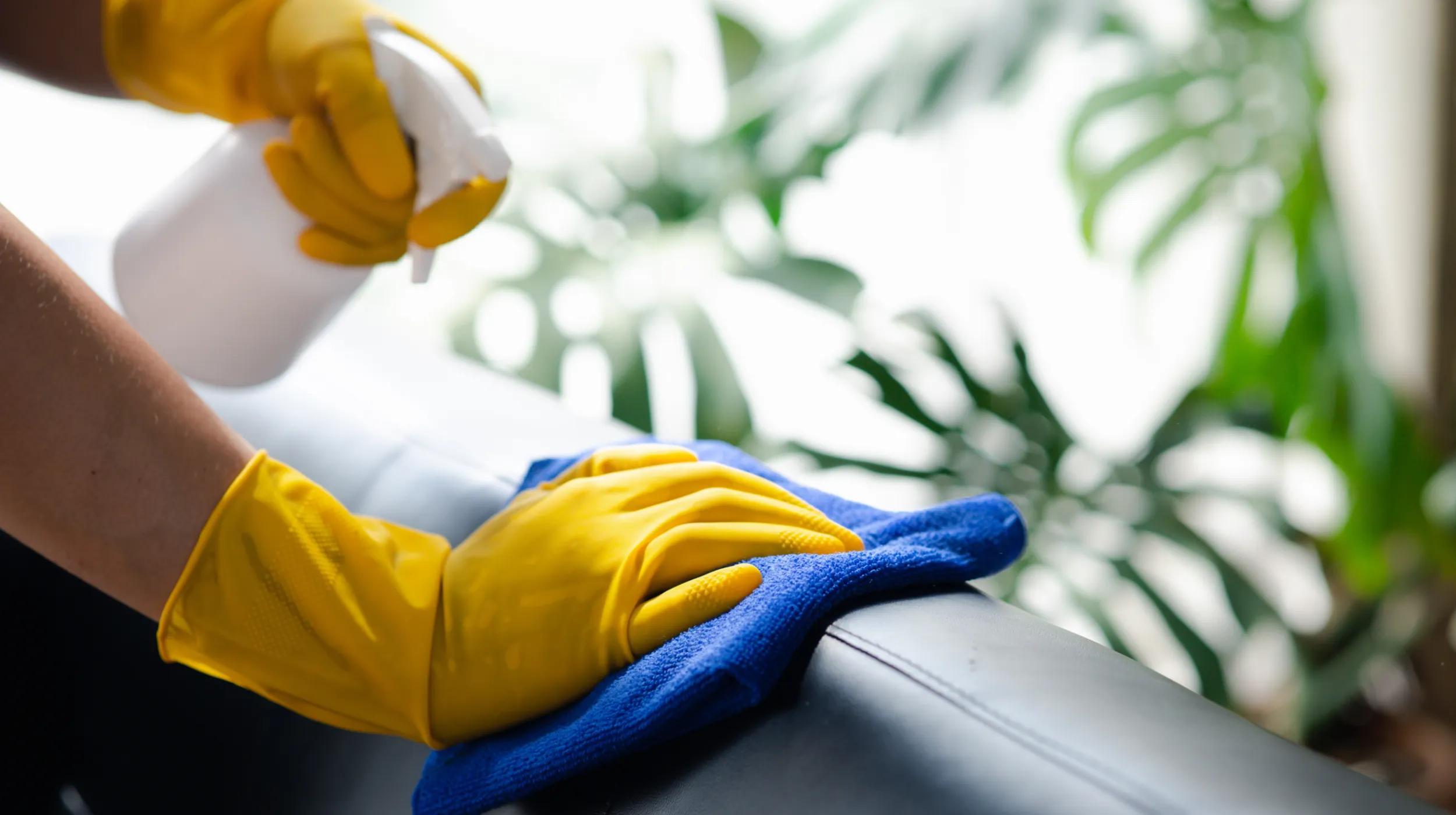
Starting a cleaning business gives you the chance to build something real and rewarding. People always need clean spaces, and that steady demand makes this one of the most dependable industries to enter. No matter if it’s homeowners or office workers, clients value professionals who can help them maintain clean, comfortable spaces.
With a strong plan and a solid marketing approach, you can turn your skills into a profitable business that supports both your goals and your community. Let’s go over everything you need to know about how to start a cleaning business in 2026.
What is a cleaning business?
A cleaning business provides professional services to help clients maintain tidy, organized, and hygienic spaces. These businesses can serve a wide range of customers, from homeowners who need regular upkeep to companies that require detailed cleaning for offices or facilities.
Cleaning businesses typically fall into a few main categories:
- Residential cleaning: Focused on homes, apartments, and rental properties.
- Commercial cleaning: Designed for offices, retail stores, and other business spaces.
- Specialty cleaning: Includes services like carpet or window cleaning, move-in or move-out cleaning, and post-construction cleanup.
You can operate on your own or hire a team. Depending on the scope of your business, startup costs are relatively low, and you can enjoy a flexible work schedule.
How to start a cleaning business
Launching a cleaning business is an opportunity to turn consistency and attention to detail into income you control. To build a business that lasts, you’ll need to research your market, plan your operations, organize your finances, and create a strategy that keeps clients coming back. Follow these steps to start your business off on a solid foundation and position it for success.
1. Do market research
Researching your local market helps you understand what customers need and how your business can stand out. Learning about local demand, competitors, and client preferences will shape your pricing, services, and marketing approach. You can perform market research by:
- Talking to homeowners, property managers, and local business owners about what cleaning challenges they face.
- Reviewing competitor websites and social media to see what services and pricing they offer.
- Reading customer reviews to spot gaps in service or areas for improvement.
Your goal is to find a profitable niche and learn how to serve it better. For example, you might notice a demand for apartment move-out cleaning or offices that prefer eco-friendly products.
2. Create a business plan
Your business plan is the blueprint for your cleaning company. It helps you stay focused, track your progress, and show potential lenders or partners that you’re serious about growth. It should include:
- Mission and vision: Clarify why your business exists and where you want it to go.
- Service offerings: List exactly what you’ll clean and the types of clients you’ll target.
- Operations plan: Outline your supplies, staffing needs, scheduling, and service areas.
- Financial projections: Estimate your costs, pricing, and expected revenue for at least the first year.
For more detailed guidance, check out this article on how to write a business plan.
3. Define your cleaning services or offerings
Narrowing your services helps you focus your time and attract the right clients. Some cleaning companies do a bit of everything, while others specialize and charge higher rates. The most popular offerings are:
- Standard cleaning: Routine home or office maintenance.
- Deep cleaning: Intensive, top-to-bottom cleanings for new tenants or seasonal refreshes.
- Specialty services: Add-ons like carpet cleaning, window washing, or green cleaning products.
Think about building packages that make scheduling easy for clients, such as weekly residential cleaning or a monthly commercial plan. The goal is to make your services intuitive and helpful, while keeping booking and pricing simple.
4. Set pricing and create a financial plan
Pricing determines profitability and helps position your business competitively. Analyze your expenses, estimate labor and supply costs, and research what others charge in your area. Most cleaning businesses use one of the following pricing strategies:
- Hourly rates: Simple and flexible for smaller jobs.
- Per square foot: Ideal for commercial spaces or larger homes.
- Flat rate: Transparent pricing for standard service packages.
For example:
| Service type | Pricing model | Example rate |
|---|---|---|
| Residential cleaning | Hourly | $30 per hour |
| Office cleaning | Per square foot | $0.15 per square foot |
| Deep cleaning | Flat rate | $250 per cleaning |
Keep your profit margins healthy by reviewing expenses regularly and adjusting prices as needed. Offering clear quotes and digital invoicing can help you manage payments efficiently and build trust with clients.
5. Register your business and handle legal requirements
Getting your paperwork in order is what turns your idea into a real business. Taking time to set things up correctly helps you avoid headaches later and makes your cleaning business look professional from the start.
Every state has its own registration requirements and processes, so make sure you do some research before finding clients and jobs. In general, you can register your cleaning business by:
- Choose your business name and buy a domain name so clients can find you online.
- Determine your business structure. If you opt for an LLC, you can learn more about how to form an LLC here, then register your LLC for free with GoDaddy.
- Obtain the proper business licenses or permits from your city or county.
- Purchase liability insurance to protect your company from potential claims or damages.
- Set up your tax identification number and register for state and federal taxes.
- Understand local labor regulations if you plan to hire employees, including payroll and workers’ compensation requirements.
6. Set up your operations
Your operations are what keep everything running smoothly. Strong systems for scheduling, communication, and supply management can make the difference between a one-person hustle and a growing team.
Create clear routines for your daily work. Map out how you’ll schedule jobs, track time, and keep supplies stocked. Even a simple checklist or shared calendar can save hours each week.
Acquire cleaning equipment and supplies
Having the right tools makes your work easier and your results better. Start with quality basics, then upgrade as your client base grows. You’ll need:
- Reliable vacuums, mops, and microfiber cloths.
- Cleaning products for glass, floors, and surfaces.
- Safety gear such as gloves and masks.
- Storage containers and transport bins for organization.
- Software or apps for scheduling and team management.
- On-the-go payment tools so you can get paid right after a job. You can get a POS system, use tap-to-pay, or try pay links for quick mobile transactions.
7. Build your brand and online presence
Your brand is more than a name and logo; it’s the promise of what clients can expect when they hire you. A strong online presence makes your business easy to find, and great branding helps people remember you. To build your brand and grow your online presence:
- Create a website for your business that explains your services, pricing, and contact info. You can use these home services website templates to make setup simple.
- Make a logo that captures your style and professionalism.
- Share your work on social media with before-and-after photos, reviews, and cleaning tips.
- Order business cards or branded flyers to leave behind after each job.
8. Market your cleaning business and acquire clients
Once your cleaning business is set up, it’s time to spread the word. Marketing helps you turn introductions into steady clients and keeps your schedule full week after week. Try these marketing strategies:
- Build relationships in your community with real estate agents, property managers, and small business owners.
- Encourage satisfied clients to leave online reviews and offer referral discounts.
- Run local ads targeting your city or neighborhood on platforms like Google or Facebook.
- Post helpful cleaning content on social media to build trust and visibility.
- Use a professional business email to reinforce your credibility from the first message.
9. Track progress and scale
Growth happens when you know what’s working. Tracking your numbers helps you refine your services, improve client satisfaction, and plan smart expansion. Cleaning businesses should focus on key performance indicators (KPIs) like:
- Total revenue and monthly growth trends.
- Repeat client rate and referrals.
- Profit margins per job or service package.
- Online reviews and customer feedback.
- Efficiency metrics like average job time or supply costs.
Use this data to spot opportunities, adjust pricing, or expand into new neighborhoods. Scaling doesn’t always mean hiring a huge team. It starts with building a system that runs smoothly and grows with you.
Bring your cleaning business to life today
Building a cleaning business takes time, consistency, and care — the same qualities your clients will come to rely on. Every choice you make, from defining your services to creating a brand that stands out, helps shape a company you can be proud of. With the right systems, tools, and marketing, your business can grow into a trusted local brand that delivers real results and steady income.
Make it happen with GoDaddy Airo. This all-in-one platform helps you register your business, design your brand, and build your website faster so you can focus on serving clients.
Start a cleaning business FAQ
How much money do I need to start my own cleaning business?
Startup costs for a cleaning business are relatively low compared to other industries. Many new owners begin with as little as $500 to $2,000 if they’re working solo and already have some supplies. This covers basic equipment, cleaning products, insurance, and registration fees. If you plan to hire staff or invest in a company vehicle, expect costs to range from $5,000 to $20,000, depending on your location and business size. Start small, focus on recurring clients, and reinvest your profits into better equipment or marketing as you grow.
What type of cleaning makes the most money?
Commercial cleaning typically brings in the highest revenue because it involves larger contracts, steady schedules, and repeat business. Office buildings, retail spaces, and medical facilities often pay more for consistent, high-quality service. A few other types of cleaning that tend to make more money are post-construction, move-in/move-out, and specialty cleaning.
How much should I charge for 8 hours of cleaning?
Rates depend on your market, experience, and type of service. On average, independent cleaners charge between $25 and $50 per hour, which means an 8-hour job could bring in $200 to $400. However, if you’re running a team or providing commercial services, you may charge higher flat rates to cover labor, equipment, and transportation. Always factor in supply costs, taxes, and time spent traveling between jobs when setting your prices.