Opening a clothing business is part creativity, part strategy, and a whole lot of possibility. Fashion is one of the few industries where personal style can turn into a real revenue stream, and today’s tools make it easier than ever to get started. From opening a boutique storefront to launching an online shop or developing a signature fashion line, there are countless ways to carve out your space in the market.
Let’s break down how to start a clothing business step by step, so you can stitch together a business that fits your goals, lifestyle, and personal style perfectly.
What is a clothing business?
A clothing business designs, produces, or sells apparel to consumers through retail locations, online stores, or a mix of both. Some clothing businesses focus on creating original fashion collections, while others specialize in sourcing, customizing, or curating apparel for specific audiences. The common thread is turning your clothing into a product people keep coming back to.
Depending on your goals and resources, a clothing business can range from a small side project to a full-scale brand. Some entrepreneurs handle everything from design to sales, while others partner with printers or distributors to bring their ideas to life.
Clothing businesses can offer a wide variety of products, including:
- T-shirts, hoodies, and sweatshirts
- Dresses, tops, and shoes
- Custom apparel with logos, graphics, or slogans
- Activewear and athleisure clothing
- Outerwear like jackets, coats, and sweaters
- Accessories such as hats, scarves, and bags
How to start a clothing business
Clothing brands usually start with a sketch, a mood board, or a late-night idea before becoming products with price tags and a checkout button. The best part about the fashion industry is its versatility; you can sell online, open a retail space, launch limited drops, opt for print-on-demand, and more. Regardless of which avenue you choose, there are nine steps to take before opening your doors.
1. Do market research
Market research helps you understand who you’re selling to and what they are already buying. It also reveals gaps you can fill with your products. Focus your research on:
- Target customers: age range, style preferences, shopping habits, and price sensitivity
- Competitors: similar brands, pricing, product quality, and messaging
- Trends: popular styles, fabrics, sustainability interests, and seasonal demand
Many clothing businesses do this by browsing online marketplaces, reviewing social media comments, and reading customer reviews for competing brands.
2. Create a business plan
Think of a business plan as the sewing pattern for your company. It outlines how you’ll operate, make money, and scale. When you write a business plan, be sure to include:
- Business concept and brand vision: Define your style, values, and what sets your clothing apart. This might include your design aesthetic, sustainability goals, or the specific problem your products solve for customers.
- Target audience and competitive positioning: Outline who your ideal customers are and how they shop. Compare your brand to competitors to identify pricing expectations, gaps in the market, and opportunities to stand out.
- Product strategy and launch timeline: Detail what you plan to sell first, how collections will be released, and whether you will use preorders, limited drops, print-on-demand, or ongoing inventory.
- Marketing and sales approach: Map out how customers will find you. This can include social media, email marketing, partnerships, or in-person events.
- Financial projections and startup costs: Estimate startup costs, monthly expenses, and revenue goals. This section helps you plan for cash flow and future expansion.
3. Define your services or offerings
Clear offerings make it easier for customers to understand what you sell and why it matters. This step also helps with branding and inventory planning. Your business could sell clothing like:
- Seasonal fashion collections
- Everyday basics like tees and denim
- Custom apparel for events or businesses
- Limited-edition drops or collaborations
- Accessories that complement your clothing line
- Personalized or embroidered apparel
The key is to start small and expand your product line later as demand and capital grow.
4. Set pricing and create a financial plan
Pricing balances profitability with customer expectations. Your prices should cover costs while leaving room for growth. Remember to account for:
- Materials
- Manufacturing
- Packaging
- Shipping
- Marketing
For example:
| Product | Cost to produce | Retail price |
|---|---|---|
| Graphic t-shirt | $8 | $15 |
| Embroidered hoodie | $20 | $35 |
| Cable knit sweater | $35 | $50 |
When you start selling, consider using tools like invoicing software to track payments, manage cash flow, and stay organized.
5. Register your business and handle legal requirements
Making your business official protects your brand and sets you up for long-term success. Requirements vary by location, but most clothing businesses need to:
- Choose a business structure. If it suits your needs, you can explore how to start an LLC here.
- Name your business. Make it memorable!
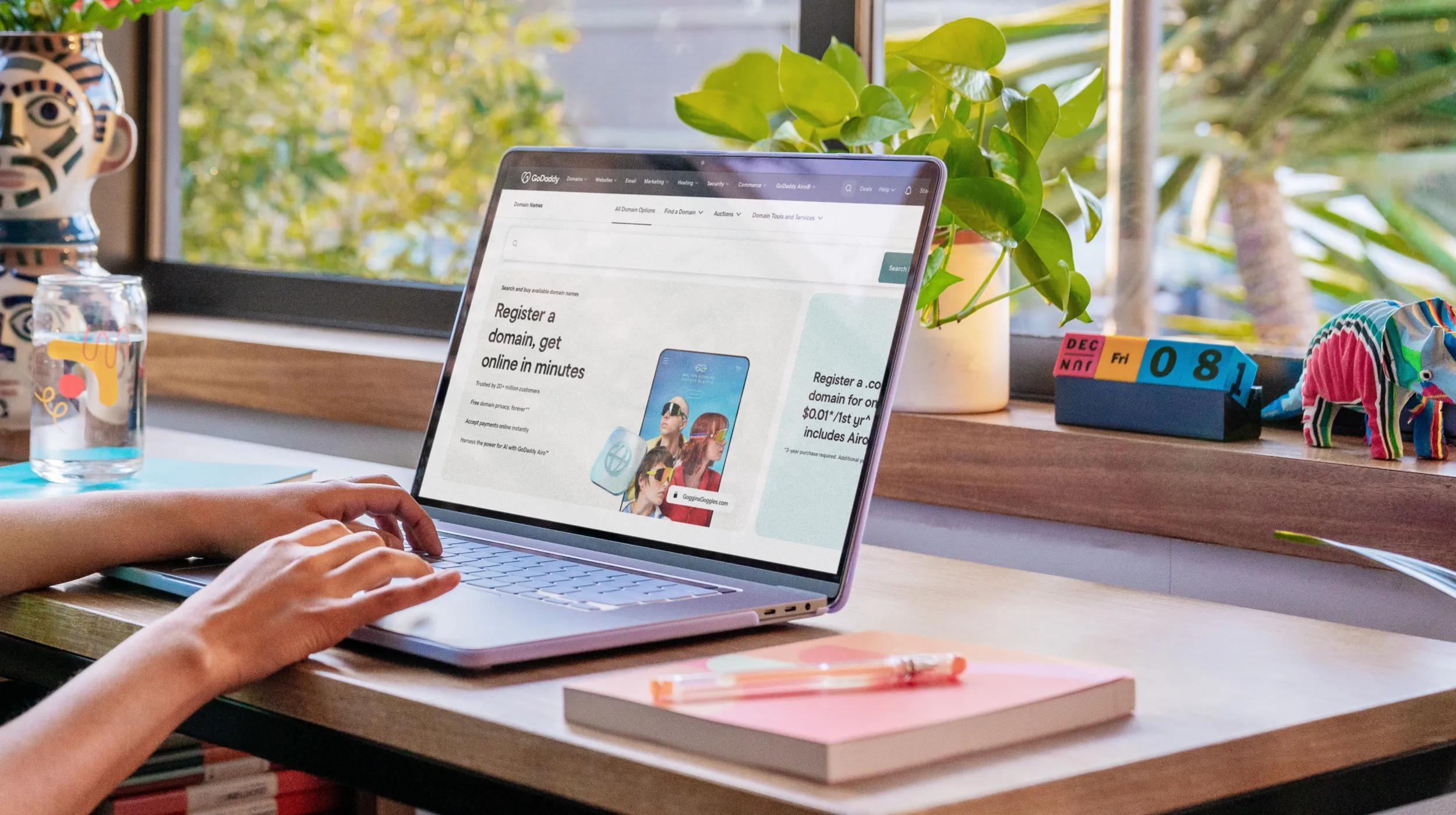
- Secure a matching domain name to help customers find you online.
- Register your business through the appropriate state authority. You can also register an LLC for free through GoDaddy.
- Apply for licenses and permits (if applicable).
- Set up business bank accounts.
- Get an EIN.
6. Set up your operations
Operations are what turn your clothing business from an idea into something customers can order. Setting this up early helps avoid headaches once orders start rolling in. Operations for clothing businesses typically include:
- Sourcing and production: Decide how your clothing will be made or supplied. This might involve working with manufacturers, using print-on-demand services, or sourcing wholesale items.
- Inventory management: Determine how much stock to carry and where to store it. Even small brands benefit from basic inventory tracking to avoid overselling or running out of popular items.
- Order fulfillment and shipping: Plan how orders will be packed, shipped, and delivered. This includes choosing shipping partners, setting delivery timelines, and handling returns.
- Payments and checkout: Make it easy for customers to pay using methods that fit how and where you sell.
Find a suitable location (if applicable)
A physical location is not required to run a clothing business, but it can make sense depending on your goals. Retail shops, studios, or small warehouses can support in-person sales or storage, while online-only brands can operate without a storefront.
If you choose a physical space, consider factors like foot traffic, rent, accessibility, and how well the location fits your brand. For many clothing businesses, starting online first keeps costs lower and allows more flexibility.
Acquire equipment and supplies
Having the right equipment and supplies in place helps your clothing business run smoothly from the first order to the hundredth. Your needs will vary based on how you sell, but planning ahead keeps operations efficient as demand grows. Most clothing businesses start with the following items:
- Clothing inventory and storage solutions
- Packaging materials such as boxes, mailers, and labels
- Shipping tools such as label printers, scales, and packing tables
- Photography tools for product images, including lighting and backdrops
- Order management and tracking tools
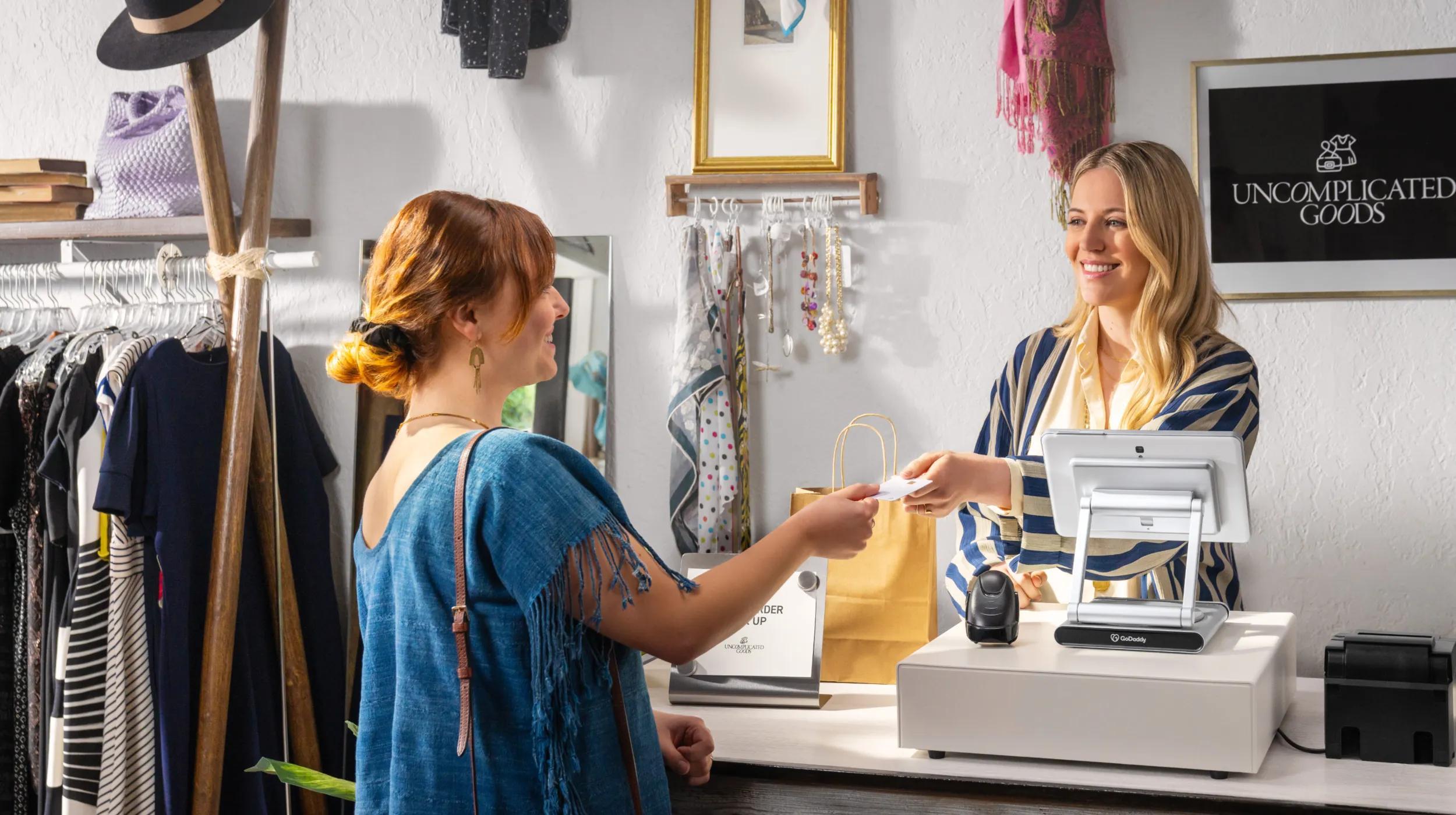
- A payment solution, such as a POS system, tap-to-pay, or pay links
A POS system can help you accept payments in person, keep transactions organized, and manage sales across a physical store, pop-up shop, and online storefront. Explore the different types of POS systems to find an option that fits the way you sell. For features designed around apparel retail, such as inventory and product-variant management, consider a clothing store POS system.
7. Build your brand and online presence
Your brand is what makes your clothing business memorable and unique. It’s the look, the vibe, and the story customers connect with when they land on your site or scroll past your posts. A strong online presence helps your brand show up consistently and feel legit, even in the early days. You’ll need to:
- Choose colors, fonts, and imagery that reflect your aesthetic and appeal to your audience.
- Create a logo that is recognizable and can be used across all channels.
- Build an online store or create a website to showcase your products and brand. GoDaddy’s clothing website templates can help you get started.
- Curate social media accounts that reflect your brand.
8. Market your business and acquire clients
Marketing brings your clothing line to life and puts it in front of the right audience. Mixing organic and paid strategies often delivers the best results. Most clothing businesses use:
- Social media content and influencer partnerships
- Email campaigns using a professional business email
- Paid ads on search engines or social platforms
- Pop-up shops, events, or collaborations
The most important aspect here is consistency. This will build recognition and trust over time.
9. Track progress and scale
Growth doesn’t happen by accident. Tracking how your clothing business performs helps you understand what’s working, what needs adjusting, and where to invest next. Even simple metrics like the following can reveal patterns that guide smarter decisions as you scale.
- Sales performance by product, collection, or season
- Inventory turnover and best-selling items
- Customer feedback, reviews, and repeat purchases
- Website traffic and conversion rates
- Marketing performance across channels
Reviewing this data regularly makes it easier to refine your strategy and expand your offerings without losing momentum.
Ready to tailor your business plan?
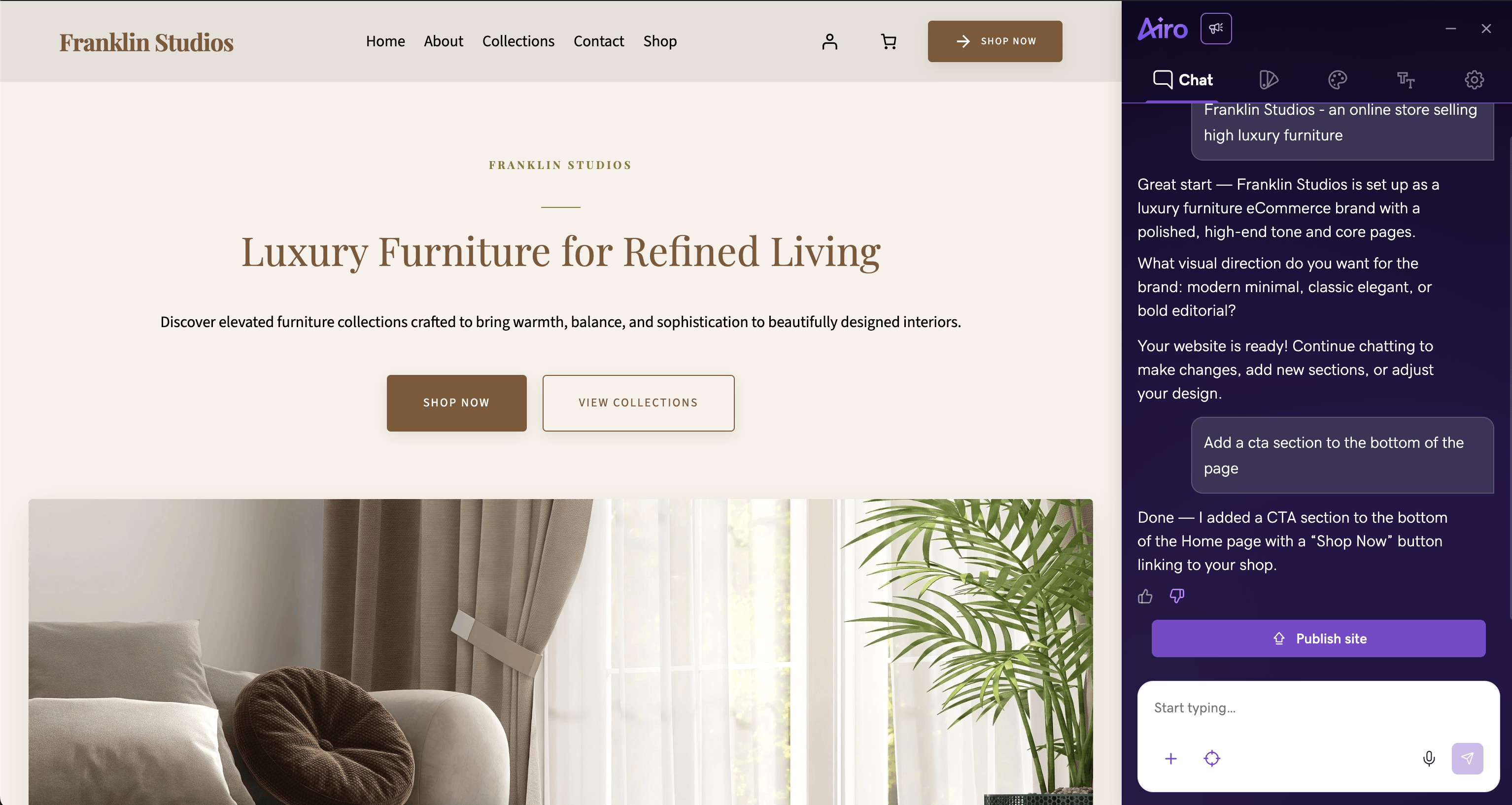
Launching a clothing business takes creativity, planning, and the right tools to bring it all together. GoDaddy Airo® helps simplify the setup process so you can spend less time on logistics and more time building a business that fits your vision. Stop sketching and start selling with GoDaddy Airo by your side.
Start a clothing business FAQ
What does it cost to start a clothing business?
The cost to start a clothing business can vary widely based on how you plan to launch. An online clothing brand with print-on-demand products typically costs much less than opening a retail store or producing large inventory runs. Some entrepreneurs start with a few hundred dollars by selling online and scaling gradually, while others invest several thousand dollars to launch a full collection.
Do I need an LLC to start a clothing brand?
You do not need an LLC to start a clothing brand, but many business owners choose one for legal and financial protection. An LLC can help separate personal and business assets and may offer tax flexibility as your brand grows.
How to start a clothing line with no experience?
Many successful clothing brands start with little to no formal fashion experience. What matters most is learning as you go and focusing on the essentials. Start by researching your target audience, studying competitors, and identifying a clear niche. Keep your first collection simple and test demand before investing heavily.