While some retail operations still run only on brick‑and‑mortar stores, some ecommerce operations are able to offer hundreds of products without leaving home. AND If you want to become one of them, it’s time to learn how to start dropshipping.
This model transformed how people launch businesses online.
According to Grand View Research, the dropshipping market is projected to reach about $1.2 trillion by 2030. With an annual growth rate near 20% between 2025 and 2030, there’s huge potential for new entrepreneurs.
With the right tools, you can set up an online store, choose products from partner suppliers, and start selling without stocking items yourself. Best of all, you can start easy and learn how ecommerce works as you go.
In this complete guide, you’ll learn how to start dropshipping — from the concept to the decisions that keep your business profitable. We’ll answer the most common questions, including:
- What dropshipping is
- How to do dropshipping
- What you need to start
- How to sell without inventory
- How to find dropshipping suppliers
At the end, you’ll get a step‑by‑step walkthrough to create your first store with GoDaddy Online Store — a solution that makes it simple, even if you’ve never sold online. Keep reading!
What is dropshipping and how does it work?
Dropshipping is an ecommerce model where the store owner sells products without keeping their own inventory. In this setup, the supplier packs and ships orders directly to customers, while the store focuses on attracting buyers, promoting products, and delivering a great shopping experience.
So when you learn how to start dropshipping, your main role is to run the business, choose reliable suppliers, and invest in marketing. Logistics are the job of your supplier, who handles shipping and removes the need to hold inventory.
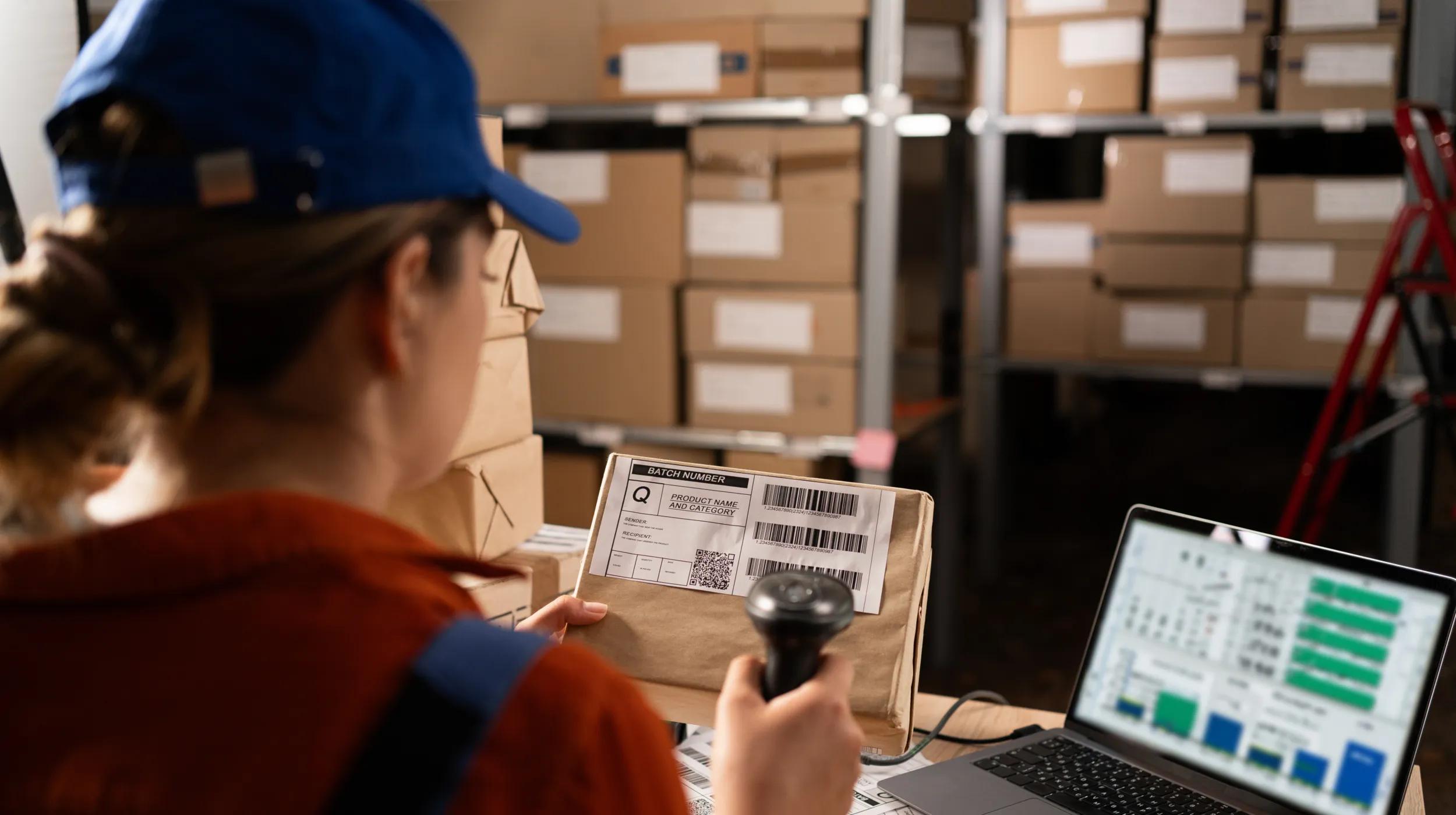
Today, platforms integrate your online store and suppliers, automate inventory updates, orders, and even shipping labels.
In other words, you can run a full ecommerce operation with just a computer and an internet connection.
The model took off because it combines low startup costs with high scalability. Dropshipping stands out for more accessible prices, faster and cheaper shipping, and a wide variety of niches.
Step by step guide to starting a dropshipping business: From zero to your first order
Getting started can feel daunting, but with an organized sequence you can stand up a functional operation fast. Here’s how to go from zero with more confidence:
- Initial planning: Set goals, define your target audience, and outline your budget.
- Niche selection: Research products with demand and lower competition (details next).
- Reliable suppliers: Find partners who deliver on time and guarantee quality.
- Store setup: Use a trusted provider like GoDaddy to build your storefront.
- Product publishing: Write detailed descriptions, invest in strong photos, and include shipping timelines and exchange info.
- Run your dropshipping business: Track sales, feedback, and metrics to optimize catalog and pricing before scaling.
1. Initial Planning: What do I need to start dropshipping?
To start dropshipping, you’ll need tax documentation, a trustworthy sales platform, integrated payment methods, and reliable suppliers. Keep logistics organized, set clear support channels, and use marketing strategies that attract and retain customers.
Key essentials
- Tax/registration: Check your state’s requirements for a business license.
- Sales platform: Your own online store or accounts on trusted marketplaces.
- Payment methods: Debit/credit cards, POS, and pay links, integrated with your store.
- Reliable suppliers: Partners that deliver quality products, clear timelines, and preferably automated integrations.
- Logistics management: Documented shipping policies, order tracking, and return rules.
- Customer support: Clear channels like email, chat, or phone to resolve questions and issues.
- Initial marketing: Social, paid ads, and content to drive traffic and validate products.
2. Choose a niche and validate products in dropshipping
Picking the right niche is foundational to a smart start. A well‑defined niche means a clear audience and products with consistent sales potential. Research trends using tools like Google Trends and marketplaces, and analyze competitors to spot opportunities.
Test interest with small‑budget campaigns and evaluate unit margins so you invest in products with real potential. After that, validate those products to reduce risk and support decisions with real data.
3. Find reliable dropshipping suppliers
To find reliable, well‑rated suppliers, search on Google, marketplaces, and social networks. Evaluate reputation, track record, and reviews before partnering. Prioritize suppliers that integrate with your store, offer clear delivery timelines, and have transparent exchange and return policies.
Whenever possible, request samples to test products before you sell them,
This can help ensure customers receive exactly what they expect. A reliable supplier is a cornerstone of starting dropshipping and directly impacts the customer experience.
4. Store setup for dropshipping: Your own store vs. marketplaces
Choosing the right channel affects your operation and your customer’s experience.
- Your own store:
- Full control over branding, pricing, support, and marketing.
- Tools make it easy to build a professional store without advanced technical skills.
- Marketplaces:
- Immediate visibility and built‑in audiences.
- Fees apply and store customization is limited.
There’s also a hybrid approach — combine your own store with marketplaces to diversify channels and test products more safely.
5. Publish products with detailed instructions and sell without inventory
In this system, you don’t need to stock products. Create your online store, promote your items, and wait for a customer to purchase. After the order comes in, your supplier ships directly to the destination.
You operate without storage and earn a margin on each sale.
With modern ecommerce platforms, much of this can be automated: inventory updates, orders, and shipping labels can sync with your store to make the operation more efficient and scalable.
6. Run Your dropshipping business
Keeping the business running requires attention to daily operations:
- Shipping times: Monitor deliveries and keep customers updated with tracking.
- Freight/shipping: Set clear policies and fair prices, considering partners and carriers.
- Exchanges and returns: Define transparent rules and respond quickly to maintain trust.
- Taxes and regulations: Check tax laws, invoicing, and ecommerce tax authorities.
A well‑organized operation makes sure customers receive products on time and have a solid experience — strengthening your store’s reputation. That’s essential when you’re getting started.
What are the pros and cons of selling without inventory?
Dropshipping lets you start with a low investment and test products quickly — no physical space needed. But you depend on suppliers, which can affect timelines, quality, and customer service. You’ll need steady oversight to protect your store’s reputation.
Pros (especially if you plan to use marketplaces)
- Reduced investment: No need to buy products upfront.
- Flexible catalog: Test different niches and products.
- Simplified operations: Your supplier handles logistics, freeing up time for marketing and support.
- Scalability: More orders don’t require additional physical space.
- Fast start: You can get a store live in days, especially with integrated platforms.
Cons
- Less control over logistics: Timelines and quality depend on your supplier.
- Lower margins: A portion of profit goes to the supplier or platform fees.
- Third‑party dependency: Products out of stock or delays affect your customer.
- Demanding customer service: You must manage exchanges, returns, and support quickly to protect your reputation.
Overall, the pros outweigh the cons — making dropshipping an attractive option for anyone starting in digital commerce.
How much does it cost to start and run a dropshipping operation?
Starting a dropshipping business requires a relatively small budget, but smart planning is essential. Factoring platform, marketing, supplier, and operational costs into your plan is part of learning how to start dropshipping. Good planning drives efficiency and sustainable growth.
Startup costs
- Ecommerce platform: Building your own store typically involves subscriptions to platforms like GoDaddy that offer customization and supplier integrations.
- Domain and hosting: A custom domain strengthens your brand and builds customer trust.
- Marketing and promotion: Paid ads, social media, and content to bring visitors to your store.
- Design and branding: Logo, visual identity, and professional product images.
Ongoing costs
- Platform and marketplace fees: Monthly subscriptions or sales commissions.
- Payment processing: Small per‑transaction fees for payment processing.
- Logistics and shipping: Even if suppliers ship, there may be extra shipping costs or international postage.
- Customer support: Tools or staff for questions, complaints, and exchanges.
Even with these expenses, dropshipping lets you start lean, test products, and expand steadily. Merchants who understand the model can adjust investments, optimize costs, and build a sustainable business.
Checklist to launch your online store and start dropshipping today!
Now that you’ve covered the basics, it’s time to put your plan into action. Here’s how to launch your store today and start a dropshipping business:
- Choose your niche and products: Research trends, assess competition, and select items with consistent demand and healthy margins.
- Choose and register your domain: A memorable name strengthens your brand and builds trust.
- Set up your online store: Tools like GoDaddy Online Store make it easy to create and manage products, payments, and orders.
- Find and integrate suppliers: Look for partners that accept dropshipping, offer integrations with your store, and have a track record of on‑time delivery and consistent quality. Connect your catalog and sync inventory and orders.
- Set up payments and logistics: Offer multiple options (credit/debit card, PoS, pay links) and configure automated order tracking and notifications
- Define marketing and promotion: Use social media, paid ads, and content strategies to drive traffic and validate interest.
- Test your processes: Place test or pilot orders to ensure everything works from purchase to delivery.
- Receive orders and track shipping: Ensure your supplier meets deadlines and that customers get clear tracking and delivery updates.
- Track metrics and iterate: Analyze sales, best‑sellers, and feedback to optimize operations before you scale.
With these steps, you’ll have a functional, scalable dropshipping operation — ready for consistent growth.
Count on GoDaddy to launch your store and sell without inventory
Learning how to start dropshipping can feel challenging, but with the right tools and a plan, you can turn the idea into a functional, scalable operation.
From choosing your niche to managing suppliers, logistics, marketing, and support — each step matters. Delivering a positive experience helps your store grow sustainably.
With GoDaddy, the process gets much simpler: build your storefront, integrate suppliers and payments, manage orders, and personalize the buying experience — all without advanced technical skills.
You can also track metrics and optimize store performance in real time, making strategic decisions easier and helping you scale consistently.
If you want to learn how to start dropshipping, the best time is now. With the right tools, strategic planning, and reliable suppliers, you can launch your store, validate products, and win customers quickly.
Frequently asked questions (FAQ) about getting started with dropshipping
What is dropshipping?
It’s an ecommerce model in which the store sells products without maintaining its own inventory. The supplier ships orders directly to customers while the store focuses on marketing, sales, and support to deliver a great experience and strengthen loyalty.
How does dropshipping work in practice, from order to delivery?
When a customer places an order, the store forwards the details to the supplier, who packs and ships the product directly. The store tracks the entire process, monitors shipping, and offers support when needed — ensuring transparency and a smooth experience from start to finish.
Is dropshipping still worth it in 2026?
Yes. Even with more competition, dropshipping remains attractive because it requires low upfront investment and lets you test products quickly. With modern tools and reliable suppliers, you can build a scalable, profitable operation that fits the evolving demands of ecommerce.
How much do I need to invest to start dropshipping?
The initial investment is lower than traditional retail. Costs typically include your online store platform, domain, marketing, suppliers, and payment processing. You can start with a simple setup, validate products, and expand gradually as sales and revenue grow.