

Have you ever heard a catchy phrase that instantly reminded you of a brand or product? That’s the magic of a tagline. But, what is a tagline and what’s the secret to making an effective one? That’s where this guide comes in.
Although they may seem simple, creating an effective tagline takes creativity and strategy. In this guide, we’ll define taglines, explore what makes them work, and go over how to write one.
What is a tagline?
A tagline is a short, memorable phrase that communicates the essence of your brand. It highlights what you do, what makes you different, or the value you provide in a way that is easy to understand and recall. Because of this, they’re usually simple and catchy.
Taglines are often used alongside logos to create a consistent identity across marketing channels and give customers a quick reason to connect with your brand.
Related: What is a logo?
Why is having a tagline important?
Taglines can help your business stand out from the competition in a few different ways:
- Instant recognition: Effective taglines can help audiences immediately recognize your brand. Think of some of the most famous taglines, such as Apple’s “Think Different.” These short phrases instantly bring a specific brand to mind.
- Clear, consistent messaging: Taglines can also portray your brand's goals and values. It’s like an elevator pitch to explain your business.
- Memorability: A good tagline is “sticky,” meaning it stays in people’s minds. This memorability can be very valuable, especially during the purchase decision process.
- SEO: Taglines can enhance keyword relevance and improve search engine rankings when keywords are integrated strategically.
Consider the tagline for M&M’s: “Melts in your mouth, not in your hands.” It’s catchy, brings the brand to mind, and states what makes M&M’s unique. Before you start thinking of a tagline, first learn how to choose the perfect brand name here.
Examples and types of taglines
The best taglines are quick, simple, relevant, unique, and timeless. Here are some of the most common types of taglines you can use:
- Descriptive taglines: These taglines describe a business, product, or service. An example of this would be BMW's “The Ultimate Driving Machine,” which describes what you can expect from its vehicles.
- Imperative taglines: An imperative tagline gives a command or provides a call to action. These taglines are meant to encourage the audience to take action or adopt a mindset. Nike’s “Just Do It” is a good example of this type of tagline.
- Superlative taglines: A superlative tagline is meant to position a brand as the best in its category. This could be something like Budweiser’s “King of Beers.”
- Emotive taglines: These taglines aim to connect with an audience through emotion by focusing on feelings or experiences. Disneyland’s “The Happiest Place on Earth” is a prime example.
- Evocative taglines: These are intriguing or thought-provoking taglines meant to spark curiosity or wonder. Airbnb’s “Belong Anywhere” is simple and invites people to explore.
- Clever/playful taglines: These taglines often use wordplay, puns, or humor to gain attention. An example of a witty tagline could be Bounty’s “The Quicker Picker Upper.”
- Aspirational taglines: Aspirational taglines aim to inspire a better future or a higher state of being. L'Oréal’s "Because You’re Worth It" empowers customers by affirming their value.
How to write a catchy tagline
To write an effective tagline, you need to understand what your brand stands for, who you want to reach, and the message you want people to remember. It may sound complicated, but you really just need to follow these steps and best practices:
1. Understand your brand
Before starting your brainstorming process, it’s important to understand your brand. What are your brand values? What is your mission? What vision of your brand do you want to portray? A tagline should align with the answers to these questions.
2. Know your audience
Who are you trying to reach? Knowing your audience — including their demographics, interests, and pain points — will help you craft a tagline that speaks to them.
3. Identify your unique selling proposition (USP)
Your USP is what sets you apart from your competition. As such, it’s a key ingredient for your tagline.
4. Keep it simple
A tagline should be easy to remember and understand. Aim for a short, concise phrase, typically no longer than seven words.
5. Be consistent with your brand voice
Whether your brand voice is playful, professional, or authoritative, your tagline should reflect that tone. Consistency helps reinforce your brand identity.
6. Focus on benefits, not features
Highlight the benefits your audience will receive from your product or service, rather than just listing features. This differentiates your products or services from competitors.
7. Make it timeless
While it might be tempting to use trendy language or current topical references, a timeless tagline will have more staying power and won’t require frequent updates.
8. Incorporate a call to action (if applicable)
Sometimes, a subtle call to action can make your tagline more engaging. Whether this fits your brand ties back to our first tip, though, since not every type of business will benefit from a motivational call to action in the tagline.
9. Test your tagline
Once you have a few options, test them with a small audience. Gather feedback to see which tagline resonates the most.
10. Iterate and refine
Based on the feedback, refine your tagline until it feels just right. Don’t be afraid to go through several iterations.
How to include a tagline in your logo design
Now that you’ve crafted the perfect tagline, the next step is to incorporate it into your logo. Here are some tips to help you integrate your tagline effectively.
1. Consider color options
Colors are crucial for making a logo because they show your brand's personality. The right logo color combinations can support your tagline.
Start by thinking about the emotions you want to evoke and how you want people to respond.
From there, keep it simple and stick to two or three colors. If you use three, try two shades of one color paired with a contrasting third to create balance without overwhelming the design.
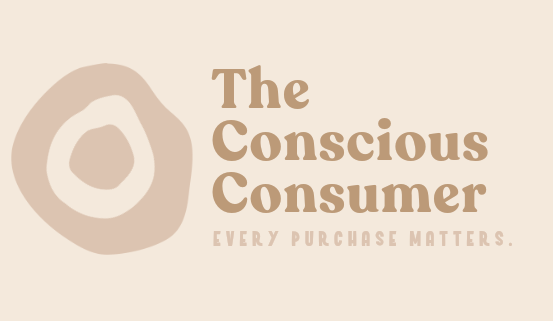
In this example, the logo and tagline share the same color, while the company name is a darker color. The company’s focus is sustainability, and the muted, earthy color palette helps convey this to customers.
Interested in creating your own logo with a tagline? Try GoDaddy’s free logo maker!
2. Font and font size matter
You’ll want to differentiate your company name and tagline by using distinct fonts for your logo and tagline, but choose carefully. Busy or clashing fonts can make your logo convoluted and hard to read.
The main rule for pairing fonts is contrast. Contrasting fonts help establish a visual hierarchy, guiding viewers to your key elements and adding interest. For example, pair a serif with a sans serif, or a script font for your company name with a minimalist font for your tagline. Varying weights and sizes also create contrast.

This example shows the logo in a script font and the tagline in a minimalist uppercase font.
3. Maintain a balance between the logo and tagline
Your tagline should also be smaller than your business name, adhering to the principle of visual hierarchy that we mentioned earlier. Balance includes considering the spacing between your logo and the tagline.
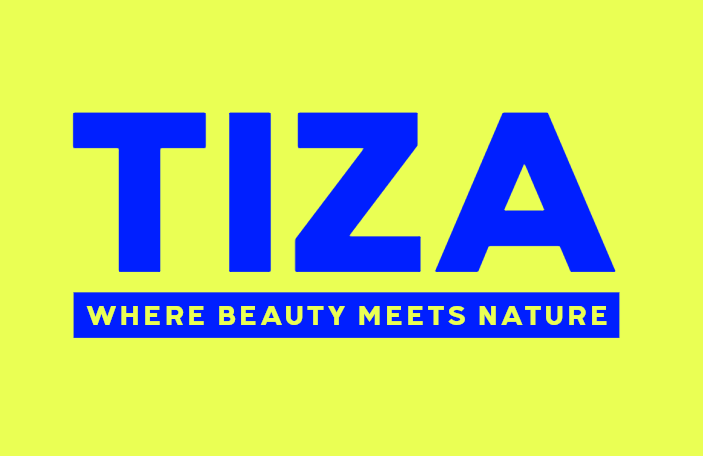
The tagline stands out in this example while maintaining balance and proper spacing with the logo itself.
4. Your logo should be flexible
This point ties in with many of the guidelines we’ve discussed above, but when adding a tagline to any type of logo, keep in mind the other media and formats in which your logo may appear. From business cards to billboards, make sure that your logo and tagline are flexible enough to work at any dimension.
Bring your tagline to life
A great tagline gives your brand a voice people can recognize and remember. It captures what you stand for, connects with your audience, and supports everything from your logo to your marketing. When you take the time to define your message, explore a few creative directions, and keep things clear and simple, you set yourself up with a tagline that works across every touchpoint.
FAQs about taglines
What should a tagline include?
A tagline should include a few essential elements to be effective:
- Clarity: It should convey what your brand is about or the core benefits you offer.
- Memorability: A great tagline is easy to remember and sticks in people's minds.
- Brevity: Keep it short and sweet; ideally, it should be just a few words.
- Uniqueness: It should set your brand apart from competitors and reflect your unique value proposition.
- Emotion: A compelling tagline often evokes an emotional response, creating a connection with your audience.
Can a brand have two taglines?
While it's uncommon, a brand can have two taglines if they serve distinct purposes. For instance, a company might use one tagline for its overall brand identity and another for a specific campaign or product line. However, it's crucial to ensure that both taglines complement each other and don't confuse the audience. Consistency and clarity are key to maintaining a strong brand message.
What are the differences between a tagline, a slogan, and a catchphrase?
A tagline is a concise, memorable phrase that represents the essence of a brand or company. It's used consistently across all marketing materials to reinforce brand identity. Conversely, a slogan is often campaign-specific and can change more frequently; it's designed to promote a particular product, service, or initiative. A catchphrase is an expression often associated with a person, character, or pop culture phenomenon that’s designed to be catchy and repeated.
What are the main rules for crafting a perfect tagline?
The main rules for crafting a perfect tagline are:
- Keep it short and simple: Aim for a brief, memorable phrase.
- Be clear and direct: Convey your message without ambiguity.
- Reflect your brand's unique selling proposition: Capture the core of what makes your brand unique.
- Incorporate a benefit: Highlight a key advantage or value proposition.
- Ensure it's timeless: Avoid trends that may quickly become outdated.
What to avoid when choosing a tagline?
When choosing a tagline, avoid being too vague or generic, as it won't stand out or accurately describe your brand. Steer clear of overly complex or lengthy phrases that are hard to remember. Additionally, avoid clichés or overused expressions that can make your brand seem unoriginal. It's also wise to ensure your tagline doesn't inadvertently carry negative connotations or cultural insensitivities that could alienate potential customers.
What are some examples of personal taglines?
Personal taglines are short, memorable phrases that capture an individual's unique value or personality. Examples of personal taglines include:
- "Innovative problem solver and creative thinker."
- "Passionate advocate for sustainable living."
- "Empowering others through technology."
- "Turning ideas into impactful actions."
- "Your go-to expert for digital marketing."
Disclaimer: All known trademarks contained herein are the property of their respective owners and their inclusion does not represent any affiliation, endorsement, or sponsorship.