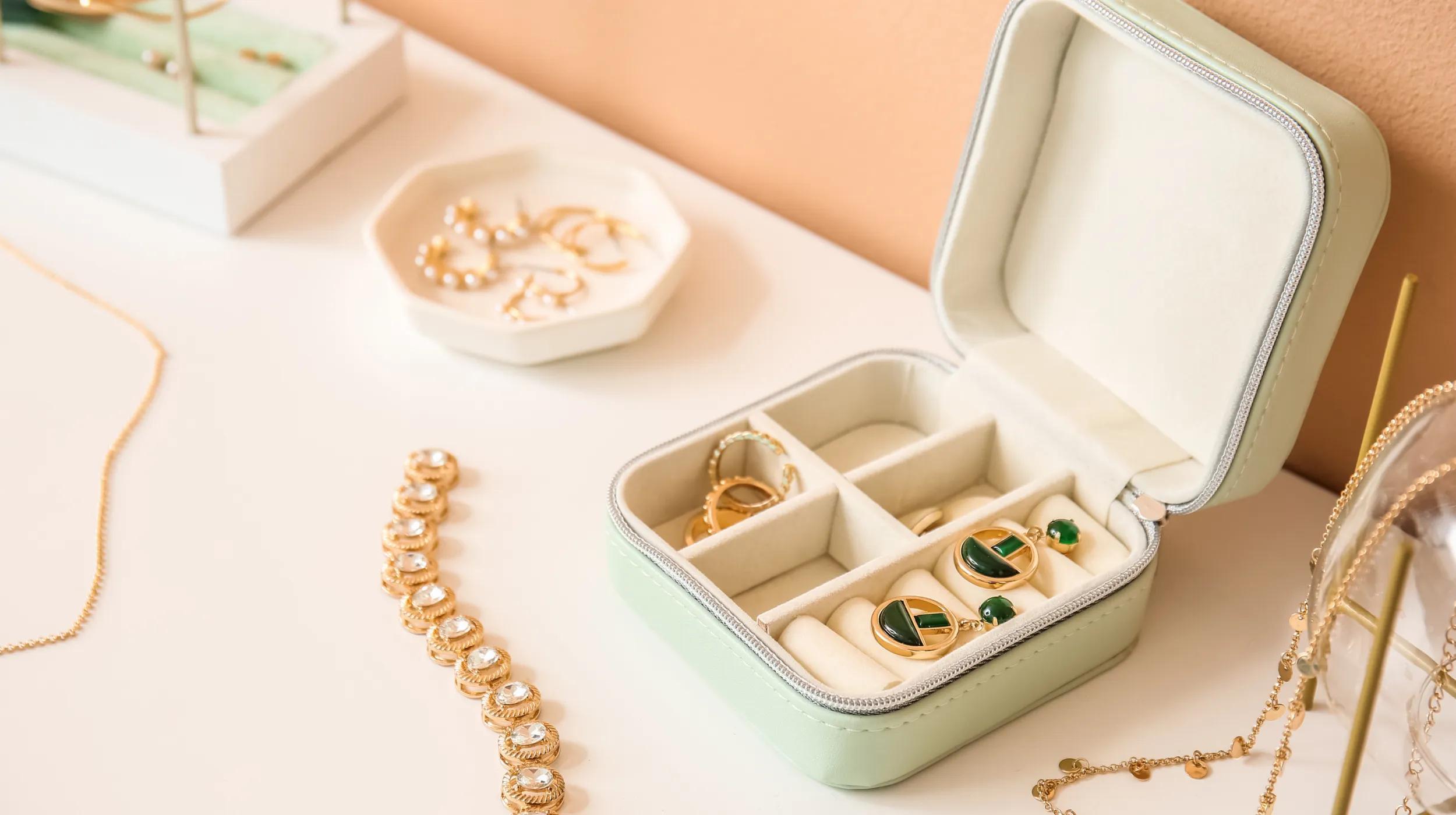

Launching a jewelry business can feel like opening a treasure chest. Every idea, every sketch, every stone you pick has the potential to become something meaningful for your future customers. Building that kind of brand takes creativity, vision, and a plan that helps you move from inspiration to launch with confidence.
This guide walks you through how to start a jewelry business so you can shape your niche, build a strong foundation, and share your designs with the people who can’t wait to wear them. Let’s turn your entrepreneurial dream into a business that shines.
What is a jewelry business?
A jewelry business is a creative venture built around designing, producing, and selling wearable pieces that help people express their style. It gives entrepreneurs the chance to turn their ideas into products that customers connect with, while shaping a brand that reflects their unique vision.
Common types of jewelry businesses include:
- Handmade jewelry crafted from materials like beads, wire, clay, or metals
- Fine jewelry made with precious metals and gemstones
- Fashion jewelry focused on trendy, affordable designs
- Custom or personalized jewelry tailored to individual customer requests
Jewelry brands continue to grow in popularity as shoppers look for pieces that feel personal, meaningful, and aligned with their individual tastes.
How to start a jewelry business in 9 steps
Starting a jewelry business is a chance to take your creativity and turn it into something people can actually wear, love, and share. These nine steps give you a clear path from your first spark of inspiration to running a business that feels intentional and ready to grow.
1. Do market research
Market research helps you understand your customers and spot opportunities. The more you know about what people want — and what they can’t find yet — the easier it becomes to design pieces that resonate. You can explore your market by:
- Looking at competitor websites and online shops
- Reviewing customer comments and reviews
- Studying jewelry styles and trending materials
- Running online surveys or polls
- Analyzing social media hashtags and conversations
- Browsing marketplaces to see what sells well
This early research shapes your brand direction and helps you create products people love.
2. Create a business plan
A business plan outlines your mission, your goals, and the strategy you’ll use to grow your jewelry brand. It keeps your ideas organized and gives you a blueprint for everything from finances to production. Your business plan should include:
- Mission and vision
- Business goals
- Market and competitor analysis
- Product descriptions
- Marketing and sales strategy
- Operational plan
- Financial projections
Not sure where to start? Use this guide to write a business plan that’ll help you stand out from the competition.
3. Define your products or services
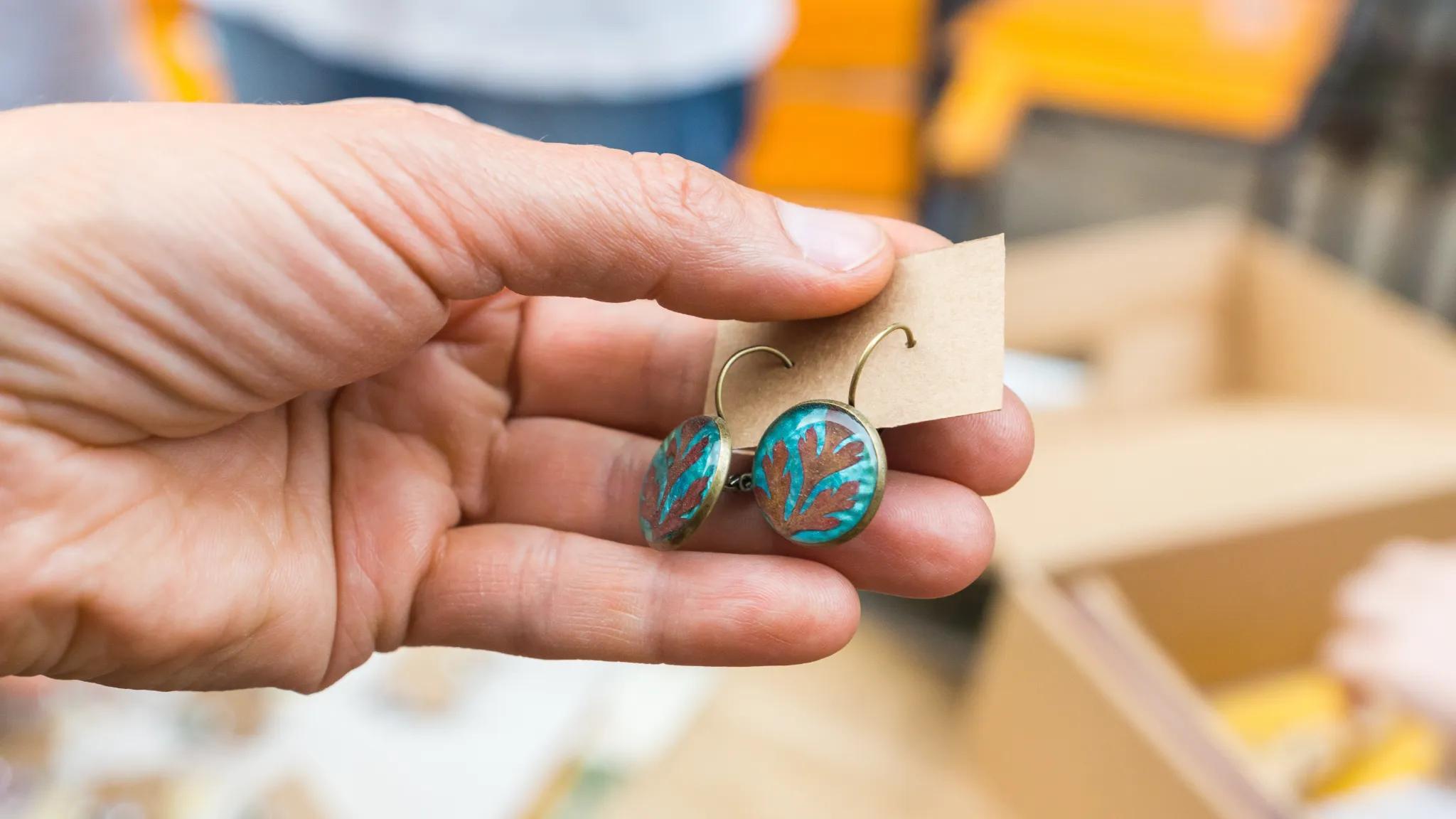
Your product line shapes your brand identity, so define exactly what you plan to offer and what makes it special. Focus on clarity and uniqueness to draw in more customers. If you see apparel as a complementary path, explore how to start a clothing business to build a cohesive fashion brand strategy.
Possible product categories include:
- Rings
- Necklaces
- Bracelets
- Earrings
- Anklets
- Charms
- Engravable or personalized pieces
- Limited-edition collections
Think about your unique selling proposition (USP). It might relate to your materials, design style, or the meaning behind your collections. You can later use your USP to build a marketing strategy.
4. Set pricing and create a financial plan
Your pricing affects your profitability and brand perception. Think through your costs and research the market to find a balance between value and sustainability. Many jewelry businesses use pricing models like:
- Cost-plus pricing (materials + labor + markup)
- Competitive pricing based on similar brands
- Value-based pricing rooted in craftsmanship or rarity
- Tiered pricing for different collections
Regardless of which option you go with, make sure your pricing accounts for:
- Materials and tools
- Workspace costs
- Packaging
- Website and branding expenses
- Marketing campaigns
- Shipping and logistics
- Ongoing operational costs
Once you’ve decided how to price your jewelry, don’t forget to consider how you’ll bill your customers. An invoicing platform like GoDaddy can simplify the process.
5. Register your jewelry business and handle legal requirements
Registering your business helps legally protect it. Every state has different requirements, so make sure you research the process for your location. In general, registration usually involves:
- Choosing a structure, such as an LLC or sole proprietorship. Learn how to form an LLC here.
- Choose and reserve your business name.
- Buy a domain name so customers can easily find you online.
- Take advantage of free LLC registration through GoDaddy.
- Review state and local licensing requirements.
- Understand tax obligations, annual reports (if applicable), and recordkeeping.
6. Set up your operations
Smooth operations help you manage production and deliver a great customer experience from day one. Think through how you’ll handle materials, inventory, and order fulfillment. This includes:
- Organizing your production workflow
- Storing raw materials and finished pieces safely
- Managing inventory for multiple product lines
- Creating a system for packaging and shipping
- Using tools like a POS system, tap to pay, or pay links to streamline sales
Find a suitable studio or workspace
The right workspace encourages productivity and protects your materials and tools. Some jewelers have home studios, while others work out of commercial or shared makerspaces. Make sure your workspace has:
- Strong lighting for detail work
- Proper ventilation for soldering or polishing
- Secure storage for tools and finished pieces
- Comfortable layout that supports your workflow
- Room for expansion as your business grows
Acquire jewelry-making equipment and supplies
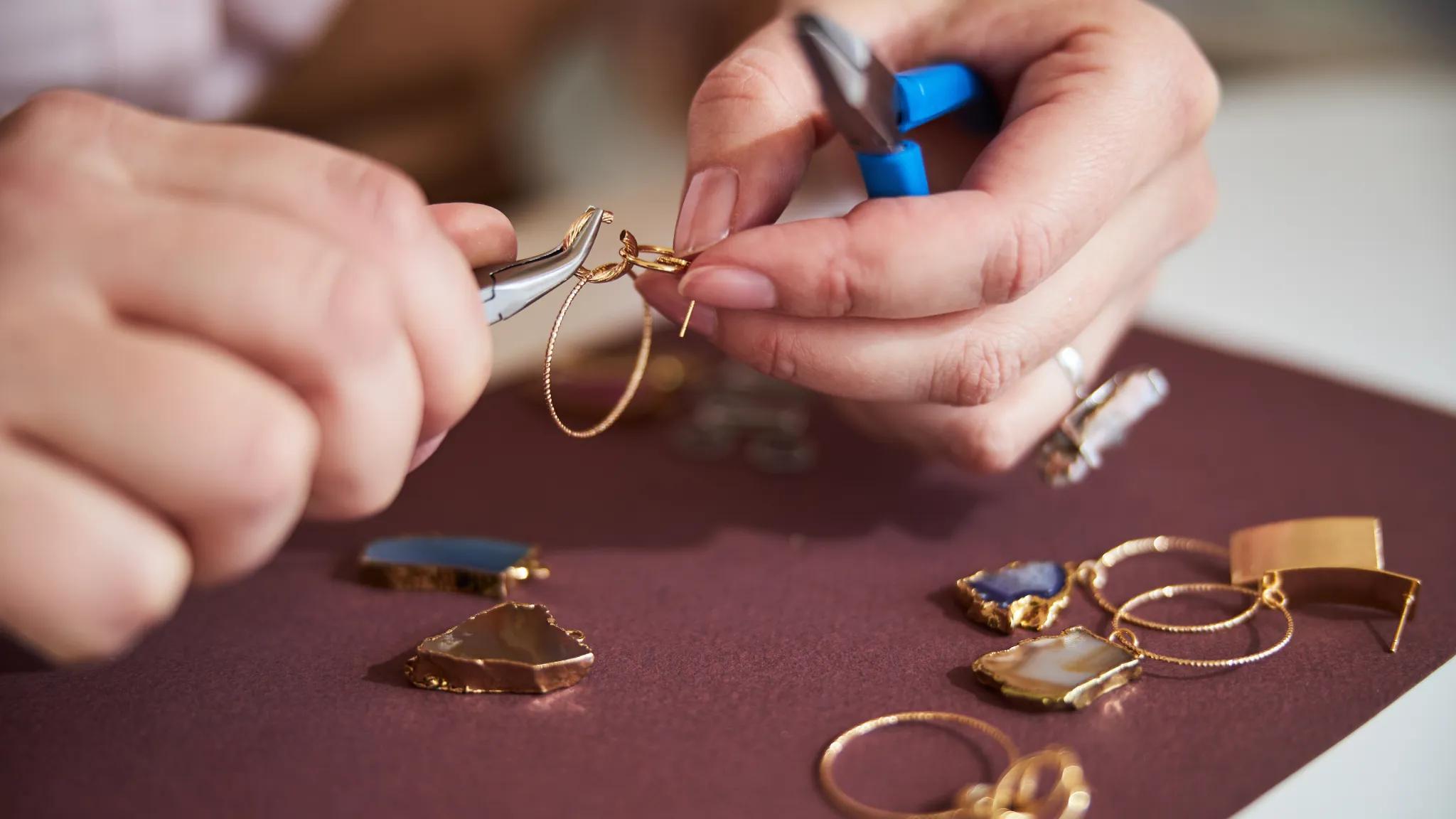
The tools you need depend on your products and workspace. Materials can get expensive quickly, so the key is to start with the essentials and invest in more as you scale. Consider starting with:
- Pliers and wire cutters
- Soldering equipment
- Hammers and anvils
- Polishing tools
- Findings (clasps, jump rings, hooks)
- Metals, beads, stones, or other materials
- Packaging supplies for finished pieces
You can find these at jewelry supply stores, wholesale marketplaces, craft stores, and specialty tool retailers.
7. Build your brand and online presence
Your brand helps customers recognize your style and understand what you stand for. Creating a clear online presence makes it easier for shoppers to browse, buy, and stay connected. You’ll need to:
- Choose brand colors and fonts
- Design a logo that conveys your style and offerings
- Determine messaging and tone standards
- Select a product photography style
- Create a website or an online store
If you need help building your store or site, try our online store templates.
In addition to a website, consider showcasing your brand and jewelry on platforms like:
- Instagram for visuals
- TikTok for short-form content
- Pinterest for inspiration boards and product discovery
- Online marketplaces for early sales
8. Market your business and acquire customers
Marketing brings your jewelry into the world and helps customers discover your brand. Focus on strategies that highlight your personality and build lasting trust. Many jewelry businesses opt for:
- Social media campaigns featuring new collections
- Collaborations with influencers or stylists
- Pop-up events or craft fairs
- Partnerships with local boutiques
- Listing products on marketplaces
- Behind-the-scenes content
- A professional business email for communicating with customers
Remember that consistency helps build momentum.
9. Track progress and scale your business
As your business grows, track your results so you can make informed decisions and adjust your strategy. Measuring your performance helps you understand what’s working and where to improve. The metrics you should monitor vary based on your goals and products, but most jewelry businesses benefit from tracking:
- Sales and repeat purchases
- Website traffic and conversions
- Social media engagement
- Inventory turnover
- Customer feedback and reviews
When the time feels right, you can scale by expanding your product line, hiring employees, adding wholesale or retail partnerships, opening a physical storefront, or adopting new sales channels.
Launch your jewelry business today
Starting a jewelry business requires a mix of creativity and strategy. When you have the right tools in place, it becomes much easier to shape your brand and stay focused on the work that inspires you. Each step you take brings you closer to building a business that reflects your vision and gives customers something they can’t wait to wear.
If you're ready to bring everything together — your products, your brand, and your operations — GoDaddy Airo® can help simplify the process so you can spend more time creating and less time juggling tasks.
Start a jewelry business FAQ
How much does it cost to start a jewelry business?
Startup costs can vary widely depending on the type of jewelry you sell and how you plan to produce it. Many beginners start small with a few tools and materials, while others invest more upfront to create larger collections or fine jewelry pieces. Most new jewelry businesses spend anywhere from a few hundred to several thousand dollars on essentials like tools, materials, branding, packaging, and a website.
Do I need an LLC to sell jewelry?
You don’t need an LLC to start selling jewelry, but many business owners choose one because it separates personal and business liabilities. You can begin as a sole proprietorship if you’re testing the waters or selling in small quantities. As your business grows, forming an LLC can offer added protection and credibility.
What are the best platforms for selling jewelry?
The best platform depends on your style, audience, and long-term goals. Many jewelry brands use a mix of their own website and online marketplaces to reach customers in different ways. Popular options include:
- Your own ecommerce site, where you can control your branding and customer experience.
- Social platforms like Instagram or TikTok, where visuals play a big role in discovery.
- Marketplaces such as Etsy, eBay, or Amazon Handmade for built-in traffic and easy listing tools.
- Pop-up shops or local boutiques for in-person connection and direct customer feedback.
Using multiple platforms helps you reach more shoppers and grow your jewelry business faster.