

Starting a T-shirt business gives creatives and side hustlers a chance to turn their ideas into something customers can hold in their hands. It’s a simple concept with endless potential, and that is what makes it so exciting. You can build a brand around your sense of humor, your artwork, your favorite niche, or a message you care about. T-shirt businesses let you explore styles, test designs, build a brand story, and watch your audience connect with what you create.
That all sounds great, but where do you begin? This guide breaks down everything you need to know about how to start a T-shirt business, including carving out your spot in the market, setting up your storefront, and scaling as your products take off.
What is a T-shirt business?
A T-shirt business is a company that creates and sells shirts built around unique designs, messages, or branding. Some entrepreneurs create original artwork, some focus on customization, and others build entire collections that speak to a specific audience. The appeal comes from the flexibility; you can start small and grow at your own pace without needing a full clothing line to get noticed. If you eventually expand beyond tees, explore how to start your own clothing business.
There are a few common models that make it easy to step into the apparel space.
- Print-on-demand, where shirts are produced only when someone places an order
- Custom design services for customers who want personalized shirts
- Retail or bulk production, where designs are made in larger quantities
- Ecommerce stores that offer a mix of different designs and styles
This type of business stands out in the apparel industry because the barrier to entry is low and the creative possibilities are wide open. Entrepreneurs can try new ideas without a heavy upfront investment and build a brand that reflects their style. It is a space where creativity, community, and business can come together in a way that’s accessible and rewarding.
How to start a T-shirt business in 9 steps
Launching a T-shirt business is easiest when you have a clear roadmap. This step-by-step guide takes you from your first idea to opening day, growth, and long-term momentum. Let’s dive in!
1. Do market research
Market research helps you understand your audience, your niche, and your competition. It sets the foundation for your entire business because it shows you what customers care about and what gaps you can fill. Spend time exploring popular categories, studying current trends, and learning what customers expect when they shop for T-shirts. This includes:
- Demographics and interests of your ideal customer
- Competitors, including their products, pricing, and branding
- Market size and potential demand for your niche
- Industry trends, such as colors, styles, and design themes
This information helps you make strategic decisions and design products that connect with the right buyers.
2. Create a business plan
After completing your market research, start by writing a business plan. A solid business plan gives you structure, direction, and clarity. It outlines your goals, your strategy, and the steps you’ll take to build a successful T-shirt business. Many lenders and business partners will ask for this document, so take your time developing it. Your plan should have:
- Executive summary: A short overview of your business, including your mission, your goals, and what makes your T-shirt brand unique.
- Mission and vision: A statement that explains what your business stands for and where you want it to go in the future.
- Target market description: A profile of the customers you plan to serve, including their interests, shopping habits, and needs.
- Products and services: A breakdown of the types of T-shirts, designs, and services you will offer.
- Marketing and sales plan: How you will reach customers, promote your brand, and generate sales.
- Financial projections: Basic forecasts that estimate your startup costs, revenue, expenses, and profit potential.
- Operational plan: How your business will run day to day, including production, fulfillment, and management tasks.
3. Define your services or offerings
Your offerings determine how customers experience your brand, so make sure you define exactly what you plan to sell and how you plan to deliver it. You might focus on original designs, custom orders, print-on-demand products, or bulk production for groups and events. Each option attracts a different type of customer.
Clearly outlining your offerings helps you communicate your value and stand out in a competitive market. It also shapes your pricing, production process, and marketing strategy.
4. Set pricing and create a financial plan
Pricing plays a major role in your success. It must cover your costs, reflect the value of your products, and remain competitive within your niche. Many entrepreneurs use a mix of cost-plus pricing, value-based pricing, and competitor analysis to find the right balance. No matter which pricing method you choose, be sure to account for:
- Materials, including blank shirts and ink
- Printing and production costs
- Shipping and packaging
- Marketing, ads, and website tools
Once your pricing is set, build a simple financial plan that outlines your expected revenue, expenses, and profit margins. You can use intuitive digital tools to send invoices to customers when you begin fulfilling orders.
5. Register your T-shirt business and handle legal requirements
Registering your T-shirt business gives you a solid foundation and ensures you meet the legal standards for selling products. This step helps protect your personal assets, keeps your finances organized, and prepares your business for long-term growth. You can also secure your online identity early by taking time to register a domain name before you launch.
If you’re considering starting an LLC, use this simple checklist. Keep in mind that rules vary by state.
- Choose a business structure and register an LLC if you want liability protection and a formal setup for your company.
- Apply for a business license if your state, city, or county requires one for selling apparel, online products, or physical goods.
- Research tax requirements and obtain any tax IDs your state or federal government requires for operating a business.
- Open a business bank account to separate your personal and business finances.
- Review local regulations for ecommerce, including rules for selling apparel, collecting sales tax, and shipping products.
6. Set up your operations
Your operations determine how smoothly your business runs each day. This includes your workspace, your production workflow, and your fulfillment process. The good news is that you don’t need a large setup at the beginning; just a simple workflow to help you stay organized, manage orders, and maintain quality as demand grows.
Acquire equipment and supplies
Before accepting sales, you’ll need:
- A T-shirt printing machine or access to a print provider
- Blank shirts in a variety of sizes and colors
- Design software for creating artwork
- Packaging and shipping supplies
- Storage space for materials and finished products
You can source these items online, through wholesalers, or at local supply shops.
Start at home at the beginning
Many T-shirt businesses start at home to keep costs low. A spare room, garage, or corner workspace can work well in the early stages. This gives you room to test designs, refine your process, and build your customer base before investing in a larger setup. Keep your workspace organized, track your supplies, and plan your workflow so production stays manageable.
7. Build your brand and online presence
Your brand helps customers understand who you are and what you offer. Branding includes your logo, your voice, your visual style, and the experience people have when interacting with your business. Once your brand is defined, you can bring it online with a website and social media presence.
To build your brand, you’ll need to:
- Create a logo and recognizable visual identity
- Brainstorm a clear tagline and consistent messaging
- Develop a professional website and build an online store
- Make social media profiles for your brand
- Choose a reliable payment processing provider
- Add a clothing store POS software to sync your online sales with in-person sales
8. Market your business and acquire clients
Marketing helps you reach the right customers and build steady sales. Digital marketing strategies tend to work well for most T-shirt businesses, especially when you focus on the platforms your audience uses the most. Explore marketing channels like:
- Social media posts and short-form videos
- Influencer partnerships and brand ambassadors
- Content marketing, such as blogs and style guides
- Email campaigns using a professional email
- Giveaways, promotions, and limited edition drops
Consistent marketing helps build trust, encourage engagement, and attract repeat customers.
9. Track progress and scale
Tracking your progress helps you understand how well your business is performing and where to focus your energy as you grow. Metrics like sales volume, website traffic, customer behavior, and best-selling designs give you a clear picture of what is working, what needs improvement, and what opportunities you can pursue next.
Once you have a solid understanding of your numbers, you can scale with intention. Expanding your product line, increasing your sales channels, and upgrading your equipment all become easier when you know how each change will support your growth. This approach helps you evolve your T-shirt business in a way that feels strategic, sustainable, and aligned with your long-term goals.
Start your dream T-shirt business today!
Launching a T-shirt business gives you a chance to bring your creativity to life. With the right plan and a few tools, you can build a business that grows steadily and connects with customers who love what you create.
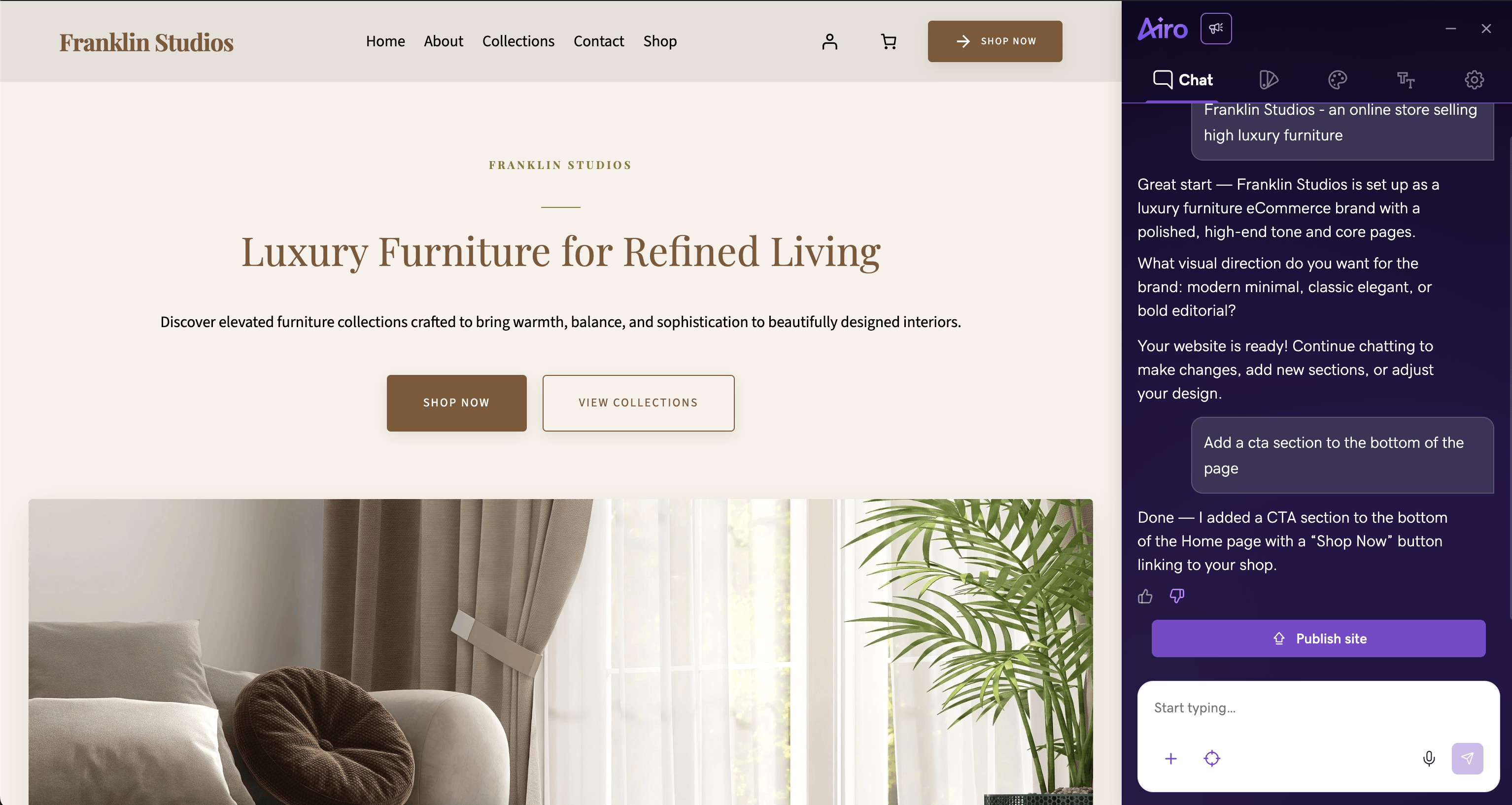
If you want help getting your business off the ground, GoDaddy Airo can support you through every stage of the journey. You can use AI tools to create designs, build your website, generate marketing content, and streamline the setup process so you can focus on what you do best. Start your business faster, and give your T-shirt brand the boost it deserves with GoDaddy Airo.
Start a T-shirt business FAQ
How much does it cost to start a T-shirt business?
Most entrepreneurs can start a T-shirt business for a few hundred dollars when using print-on-demand. If you plan to buy equipment or inventory, costs can reach a few thousand. Your total depends on your production method, tools, and the amount you want to invest upfront.
How do I start a T-shirt business from home?
Choose a business model, set up a small workspace, create your designs, and build an online store to sell them. Many people use print-on-demand to keep home operations simple and avoid managing inventory.
Is a T-shirt business profitable?
Yes, a T-shirt business can be profitable when you choose a clear niche, price your products correctly, and market consistently. Profit margins vary, but many entrepreneurs earn a steady income as their brand grows.