
The ecommerce industry continues to create new opportunities for entrepreneurs, making it easier than ever to turn a great idea into a thriving online business. According to Statista, worldwide ecommerce revenue is projected to reach $3.88 trillion in 2026, with steady growth expected over the next several years.
Success, however, starts with choosing the right concept. In this guide, we’ve broken down the 21 best ecommerce business ideas to help you get your entrepreneurial venture off the ground.
Before you start
Launching an ecommerce business comes with plenty of legal and financial considerations. Before diving into ideas, research your state's tax laws and business registration process so you start off on the right foot. You may also want to spend some time learning how to price products, choose the best business entity, and make a fun logo for your business.
1. Subscription boxes
What it is
Subscription boxes deliver curated products to customers on a recurring schedule, creating an ongoing relationship instead of relying on one-time purchases. They’re often best for niche markets. You can learn how to find your niche market idea here.
Why it works
The subscription box market is set to reach a staggering $144.5 billion by 2035. Subscription-based business models can be a great source of predictable recurring revenue that gives customers a convenient way to discover products they'll love.
Keep in mind that success often comes down to thoughtful curation and personalization. Using customer preferences and purchase history to tailor each shipment can improve retention and reduce cancellations.
Best for
Entrepreneurs who enjoy building communities around a niche interest or lifestyle.
Popular niches
- Specialty foods and coffee
- Wine
- Beauty and personal care
- Pet products
- Books
- Collectibles
- Games
- Home goods
2. Candles and fragrances
What it is
Handmade candles, wax melts, and home fragrances remain popular because shoppers often look for scents and designs they can't find in big-box stores.
Why it works
The candle market alone is projected to grow at a CAGR of 7.3% until 2033. Home fragrance products make great gifts, encourage repeat purchases, and offer seasonal selling opportunities throughout the year. Limited-edition scents and holiday collections can also create urgency and keep customers coming back.
Best for
Makers who enjoy experimenting with scents, creating seasonal collections, and building a lifestyle brand around home fragrance.
Ways to stand out
- Develop signature scent combinations.
- Offer vessels that double as home décor.
- Create memorable packaging and brand storytelling.
- Launch seasonal collections throughout the year.
Because candles are a competitive market, your brand matters just as much as your products. A distinctive visual identity and memorable customer experience can help separate you from mass-market retailers.
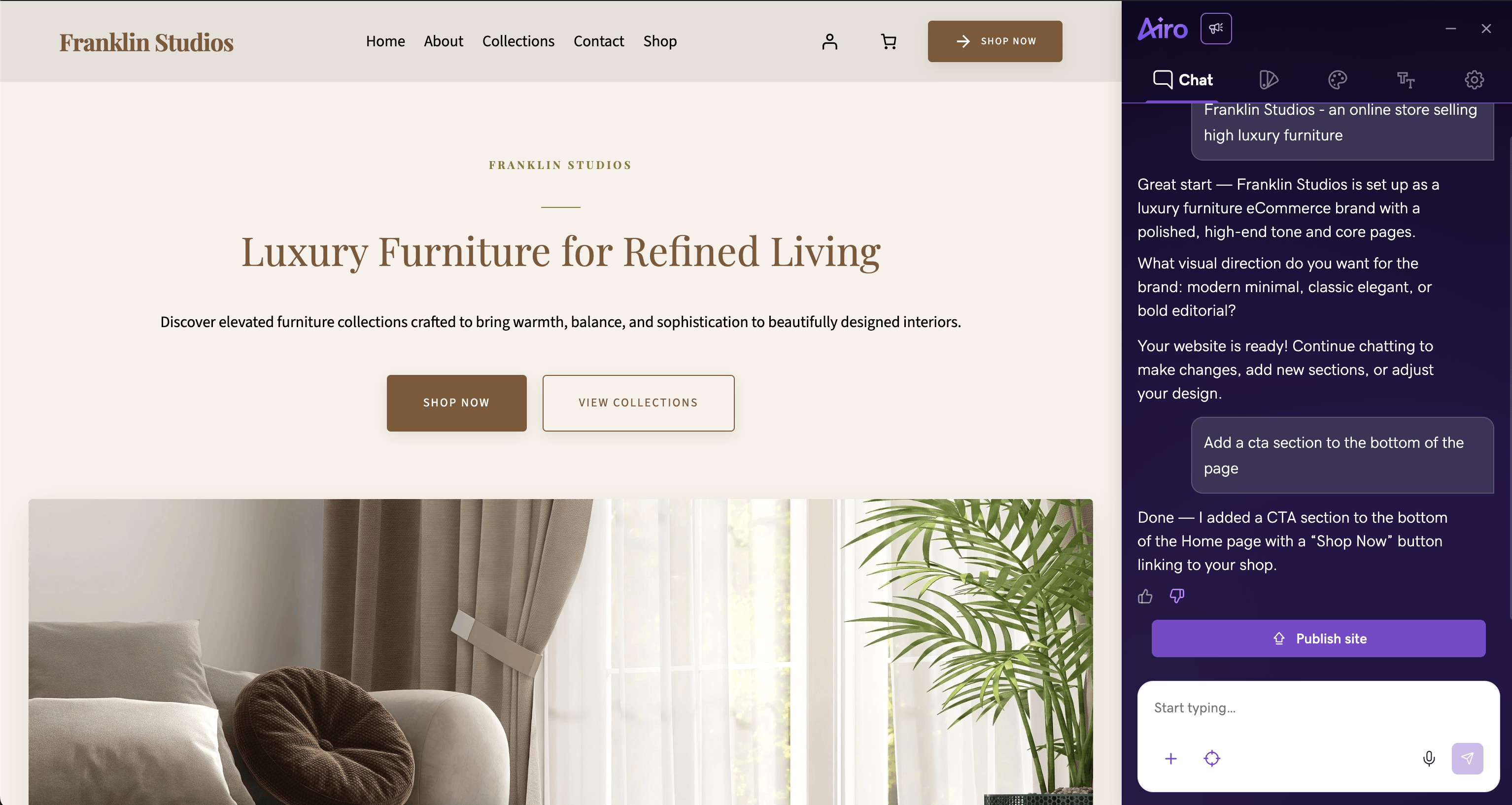
Try this Airo prompt: "Build an online store for handmade candles integrated with GoDaddy Payments so I can use the product catalog feature. I need soy, beeswax, and seasonal categories, a shopping cart, checkout, and an About page telling our brand story."
Interested? Explore GoDaddy Airo AI Builder or read this guide for more Airo prompt ideas.
3. Personalized products
What it is
Personalized products are items that customers can customize with names, dates, photos, or artwork.
Why it works
Customers who express interest in personalized products are willing to pay up to 20% more for them. This is because these products often feel created specifically for them or someone they care about. Consider offering engraving or other premium customization services to increase your average order value while helping your products stand out. Personalized gifts typically perform especially well during holidays, weddings, graduations, and other milestone events.
Best for
Designers, artists, and entrepreneurs who want to combine creativity with ecommerce.
Products to sell
- Drinkware
- Apparel
- Jewelry
- Picture frames
- Puzzles
- Phone cases
- Sneakers
- Home décor
If you're testing demand, consider selling on a platform like Etsy before launching your own branded ecommerce store.
4. Stationery
What it is
Stationery businesses sell paper goods, office supplies, and creative products for work, school, and personal organization. These can be physical goods or customizable digital downloads.
Why it works
Despite today's digital-first world, demand for physical stationery remains strong. It’s estimated that the global stationery products market will reach over $268 billion by 2034. If you want to make your ecommerce stationery business stand out from the crowd, provide customization services. Additionally, small product bundles—such as matching notebooks, pens, and desk organizers—can increase average order values while creating a more giftable shopping experience.
Best for
Designers, illustrators, and entrepreneurs with an eye for organization and aesthetics.
Products to sell
- Notebooks and journals
- Specialty paper
- Greeting cards
- Pens and markers
- Desk accessories
- Art supplies
- Personalized stationery
5. Pet products
What it is
Pet products encompass items like toys, food, treats, nutritional supplements, bath products, and leashes that pet parents use regularly to ensure their furry friends stay happy and healthy.
Why it works
Pet parents consistently invest in products that improve their pets' comfort, health, and happiness. In fact, the industry is expected to reach $165 billion in sales by the end of 2026. However, not all pet products are growing at the same rate, so a focused niche can make it easier to attract loyal repeat customers and compete with larger businesses.
Best for
Animal lovers who understand a specific segment of the pet market.
Products to sell
- Personalized collars, bowls, and accessories
- Sustainable or natural products
- Breed-specific merchandise
- Handmade toys and furniture
- Premium treats or enrichment products
6. Niche grocery items
What it is
Niche grocery stores specialize in products that are difficult to find through traditional retailers, such as items that meet specific dietary preferences, cultural interests, or specialty tastes.
Why it works
Consumers increasingly seek products that align with their lifestyles, whether that's plant-based eating, specialty ingredients, or authentic international foods. The gluten-free food market, for example, is forecasted to reach $18.3 billion in value by 2033. However, this is a highly regulated industry, so make sure you understand labeling requirements, food safety regulations, and any permits your business may need.
If you’re planning to go into the international grocery market, consider focusing on underserved communities. This is the best way to carve a niche for your business.
Best for
Food entrepreneurs with expertise in a specific cuisine, ingredient, or dietary niche.
Potential niches
- Vegan and vegetarian foods
- Keto products
- Gluten-free foods
- Kosher products
- Organic and locally sourced goods
- Signature sauces, snacks, or baked goods
7. Sell your services
What it is
Not every ecommerce business has to sell physical products. If you have a skill people are willing to pay for, you can use an online store to market, sell, and deliver your services. These can be run as side-hustles from home, or as full-scale ecommerce businesses.
Why it works
The service-based business market is projected to hit a whopping $25,967 billion by 2030. One of the biggest advantages is that these businesses typically require less upfront investment than an inventory-based store. As demand grows, you can package your expertise into digital products, retainers, or subscriptions to create additional revenue streams. You can also offer physical products that complement your services.
Best for
Freelancers, consultants, and professionals who already have an in-demand skill.
Popular services
- Graphic design
- Writing and editing
- SEO and digital marketing
- Web design and development
- Photography and videography
- Tutoring
- Personal training
- Consulting
- Translation
8. Special event food items
What it is
Instead of operating a full-service bakery or catering company, specialize in desserts, snacks, or other foods made for celebrations and special occasions. Before accepting orders, make sure you understand your local cottage food laws, licensing requirements, and food safety regulations.
Why it works
The specialty bakery market is expected to grow at a CAGR of 6.6% until 2032. Customers often search online for unique treats that make birthdays, weddings, and other milestones feel memorable. Focusing on a specific category lets you build a reputation without offering an extensive menu.
Best for
Bakers, cooks, and food entrepreneurs who excel at creating specialty items.
Products to sell
- Custom cakes
- Cake pops
- Cookies
- Dessert boxes
- Charcuterie boards
- Dips and appetizers
- Holiday treats
If you’ll be selling your food at in-person events, make sure you pick the best payment methods for you and your business.
9. DIY Kits
What it is
DIY kits package together everything customers need to complete a craft or creative project at home. Because customers expect everything they need in one box, remember that clear instructions and high-quality materials are just as important as the project itself.
Why it works
Industry research found that 72% of US households did DIY crafts in 2024, and 49% of them bought at least 3 DIY kits. These kits often appeal to beginners who want a convenient way to explore a new hobby without buying individual supplies. They're also highly giftable, making them popular during holidays and other seasonal shopping events.
Subscriptions are another effective way to build a loyal community while giving customers something new to look forward to each month. Limited-edition kits, exclusive collections, and seasonal releases can encourage repeat purchases throughout the year.
Best for
Creative entrepreneurs who enjoy teaching others or designing hands-on experiences.
Kits to sell
- Candle making
- Crochet
- Embroidery
- Air-dry clay pottery
- Watercolor painting
- Origami
- Jewelry making
10. Print-on-demand products
What it is
Print-on-demand (POD) is a type of dropshipping that lets you sell custom-designed products without purchasing inventory upfront. When someone places an order, your fulfillment partner prints, packs, and ships the item for you.
While print-on-demand reduces startup costs, you'll have less control over production and shipping than if you fulfilled orders yourself. Choosing a reliable fulfillment partner is critical to delivering a great customer experience.
Why it works
The POD market is forecasted to reach a value of $57.5 billion by 2033. This business model offers a low-risk way to launch an ecommerce business because you only pay for products after they've been purchased. That means you can test new designs without investing in large inventory orders. POD models are also flexible; you can work through marketplaces or build your own ecommerce website.
Best for
Designers, artists, and entrepreneurs who want to focus on branding and marketing instead of inventory management.
Popular products
- T-shirts and hoodies
- Tote bags
- Drinkware
- Phone cases
- Posters
- Stickers
- Hats
Discover more popular print-on-demand products here.
11. Photography
What it is
Ecommerce photography businesses can generate income by selling prints, digital downloads, stock photography, or photography services online.
Why it works
The digital photography industry is expected to grow at a CAGR of 8.94% until 2034, so there's plenty of opportunities out there. A big advantage is that one photoshoot can create multiple revenue sources. Beyond booking clients, photographers can license images, sell fine art prints, or offer POD products featuring their work.
Best for
Photographers who want to diversify their income beyond client work.
Products to sell
- Event photography
- Portrait sessions
- Landscape and fine art prints
- Digital downloads
- Stock photography
- Calendars and print-on-demand merchandise
12. Upcycled furniture
What it is
Upcycled furniture is secondhand or outdated pieces that have been transformed into unique, updated home furnishings.
Why it works
The demand for eco-friendly furniture, including upcycled pieces, is steadily rising, and will continue to do so until it reaches a projected $113.9 billion in 2033. Since every piece is different, you can often command higher prices than mass-produced furniture. It’s also important to note that sharing the story behind each transformation can help customers connect with your brand.
Best for
DIY enthusiasts, furniture restorers, and entrepreneurs with woodworking or refinishing skills.
Things to consider
- Estate sales, thrift stores, and online marketplaces can be excellent inventory sources.
- Before-and-after photos make compelling social media content. Read this guide to social media to get started.
- Shipping large furniture requires additional planning and costs.
13. Niche fashion and apparel
What it is
Niche fashion brands focus on serving a specific audience, style, or lifestyle, rather than trying to compete with big-name brands. Some entrepreneurs focus their ecommerce business on fashion reselling, a model in which they source pre-loved clothing in good condition and sell it to new buyers.
Why it works
The global apparel market is massive, and it’s expected to keep growing at a CAGR of 3.52% until 2034. Consumers increasingly look for brands that reflect their interests and values. A clearly defined niche can help you build a loyal customer base while making your marketing more effective.
Fashion reselling, in particular, can appeal to sustainability- or budget-focused shoppers, especially Gen Z and Millennials. The reselling industry is actually growing faster than the traditional retail market, but keep in mind that finding, cleaning, and photographing individual items can be time-intensive.
Best for
Designers, fashion enthusiasts, and entrepreneurs with a strong understanding of a particular audience.
Popular niches
- Streetwear
- Athleisure
- Petite or plus-size clothing
- Sustainable fashion
- Outdoor apparel
- Profession-specific clothing
- Fashion reselling
14. Handmade Crafts
What it is
Selling crafts online allows you to turn creative skills into a business by offering products customers can't find anywhere else.
Why it works
The handmade craft market is estimated to have a value of over $908 billion. Many shoppers value craftsmanship, personalization, and the story behind handmade goods. Limited production or personalization can also increase perceived value and justify premium pricing.
Best for
Artists, makers, and hobbyists ready to turn their craft into a business.
Popular products
- Woodworking
- Ceramics
- Glass art
- Knitted goods
- Jewelry
- Leather goods
- Home décor
15. Used movies, music, and books
What it is
Selling used entertainment products lets you cater to collectors, hobbyists, and shoppers looking for affordable alternatives to buying new. Remember, however, that inventory quality matters. Carefully grading items, providing detailed descriptions, and including multiple product photos can help build trust with buyers and reduce returns.
Why it works
In 2025, the used media and electronics market raked in $617 million in sales. Even in the age of streaming, physical media continues to have a dedicated audience. Vinyl records, special-edition books, Blu-ray collections, and vintage movies all appeal to buyers who value ownership, nostalgia, or collectibility.
Best for
Entrepreneurs who enjoy hunting for hidden gems at thrift stores, estate sales, and auctions.
Products to sell
- Vinyl records
- CDs and cassette tapes
- DVDs and Blu-ray discs
- Books and first editions
- Box sets and collector's editions
16. Sports trading cards
What it is
This may seem old-fashioned, but sports trading cards are still a thriving collectibles market, with buyers ranging from casual fans to serious investors.
Why it works
Rare cards, rookie cards, and limited-edition releases can appreciate significantly over time. The global sports trading card market is expected to grow by nearly $9.7 billion between 2023 and 2028, so there’s definitely continued interest from collectors that entrepreneurs can tap into. Most cards sell for modest prices, but a small percentage command premium values. Understanding card grading, authentication, and market demand can make a significant difference in profitability.
Best for
Sports fans who enjoy researching players, tracking market trends, and building collections.
Products to sell
- Rookie cards
- Autographed cards
- Limited-edition inserts
- Graded cards
- Vintage collections
17. Eco-friendly household items
What it is
Eco-friendly household brands focus on products that help consumers reduce waste or make more sustainable purchasing decisions.
Why it works
Consumer demand for sustainable products continues to rise. Research shows the eco-friendly products market is growing at an estimated 7.7% annually, and 90% of shoppers say they prefer brands that use eco-friendly packaging. Many consumers are also willing to pay more for products that align with their values.
Sustainability claims should be accurate and transparent. Highlight certifications or materials whenever possible to help customers make informed purchasing decisions.
Best for
Entrepreneurs passionate about sustainability and environmentally conscious living.
Products to sell
- Reusable food storage
- Compostable kitchen supplies
- Plant-based cleaning products
- Refillable containers
- Reusable shopping bags
- Solar-powered accessories
18. Collectibles
What it is
Collectibles span countless categories, from comic books to vintage toys, making them an attractive ecommerce niche for passionate enthusiasts.
Why it works
The collectibles market is projected to exceed $535 billion by 2033. One advantage of this industry is that collectors often become repeat customers as they search for specific items to complete their collections. Focusing on a single category can also help establish your store as a trusted destination. However, authentication, condition, and rarity heavily influence pricing. Detailed descriptions and high-quality photography are essential for building buyer confidence.
Best for
Collectors and hobbyists with deep knowledge of a particular collectibles market.
Popular niches
- Comic books
- Funko Pop! figures
- Vintage toys
- Sports memorabilia
- Action figures
- Coins and currency
19. Online courses
What it is
Online courses package your expertise into digital lessons that customers can purchase and complete on their own schedule.
Why it works
It’s estimated that the e-learning market will grow at a CAGR of 19.9% until 2033. Unlike physical products, digital courses don't require inventory or shipping. Once you've created your course, you can continue selling it while updating the content over time. Supplementing your courses with downloadable resources, community forums, or live Q&A sessions can increase their value and encourage referrals.
Best for
Professionals, educators, and creators with expertise in a specific subject.
Popular course topics
- Music lessons
- Photography
- Graphic design
- Marketing
- Coding
- Business skills
- Personal finance
- Fitness
20. Original art
What it is
Selling original artwork online allows artists to reach buyers well beyond their local communities.
Why it works
Consumers increasingly shop online for unique artwork that reflects their personal style. In fact, the global art market is estimated to be worth $59.6 billion. Artists can expand their offerings with prints, digital downloads, and licensed designs. Remember that professional photography is just as important as the artwork itself. Accurate colors and detailed images help buyers feel more confident purchasing art online.
Best for
Painters, illustrators, photographers, and digital artists.
Ways to sell
- Original pieces
- Limited-edition prints
- Digital artwork
- Commissioned work
- POD merchandise
- Licenses
21. Health and wellness
What it is
Health and wellness continues to be one of ecommerce's fastest-growing categories, covering everything from fitness accessories and recovery products to healthy snacks and self-care essentials. Keep in mind that health-related products often have stricter compliance requirements than other ecommerce categories. Review any applicable regulations before launching your business, and avoid making unsupported health claims in your marketing.
Why it works
The Global Wellness Institute estimates the wellness economy will grow to nearly $9 trillion by 2029. Consumers continue to invest in products that support their overall well-being, creating opportunities for brands that offer convenience, education, and quality products.
Subscription programs, curated product bundles, and direct-to-door delivery models work especially well in this category because they encourage repeat purchases and help customers maintain healthy routines.
Best for
Entrepreneurs with experience in fitness, nutrition, wellness, or healthy living.
Products to sell
- Fitness equipment
- Vitamins and supplements
- Healthy snacks
- Recovery tools
- Meditation and mindfulness products
- Sleep accessories
Get your ecommerce business started in 2026
The best ecommerce business idea is the one that matches your interests, skills, and long-term goals. Start by identifying a problem you can solve or an audience you understand, then validate demand before investing heavily in inventory or marketing.
Once you've chosen your niche, focus on building a professional online store, creating a memorable brand, and delivering a great customer experience. With the right foundation, today's side hustle can become tomorrow's full-time business.
Business email + free domain for just $1.99/mo
Save big and boost your business credibility.
FAQs
How can I start an ecommerce business?
To start an ecommerce business, choose a business idea that matches your skills and has proven demand. Next, register your business, select an ecommerce platform, purchase a domain name, and build your online store. Before launching, set up payment processing, shipping, marketing, and any required business licenses or permits.
How can I create an ecommerce store?
One of the easiest ways to create an ecommerce store is with a website builder that includes online selling features. GoDaddy Online Store lets you build a professional storefront, manage products, accept secure payments, and track orders from one dashboard. You can also use GoDaddy Airo to generate your site, product descriptions, and other content to get your business online faster.
How much does it cost to start an ecommerce business?
Ecommerce startup costs depend on your business model. Print-on-demand, digital products, and service-based businesses can often launch for less than $100, while inventory-based stores may require several thousand dollars for products, shipping supplies, and storage. You'll also want to budget for your domain, ecommerce platform, marketing, and any required licenses or permits.
What makes an ecommerce business profitable?
Profitable ecommerce businesses solve a specific customer problem, target a well-defined audience, and maintain healthy profit margins. Choosing the right niche, pricing products strategically, keeping acquisition costs under control, and encouraging repeat purchases through email marketing or subscriptions can all help increase long-term profitability.
How do I choose the best ecommerce platform?
Look for an ecommerce platform that fits your business today and can grow with you over time. Compare features like payment processing, inventory management, marketing tools, shipping integrations, analytics, and ease of use. The best platform should make it simple to manage your store while delivering a smooth shopping experience for your customers.