If you’re an entrepreneur in the process of starting a new venture, getting a domain name is one of the first steps you’ll take to build an online presence. A domain name gives your business a home online and helps customers find, recognize, and remember your brand.
The good news is that buying a domain name is much simpler than most people expect. GoDaddy makes the process fast and straightforward, so you can search for available domain names, choose the right option for your brand, and secure it in just a few steps.
Let’s walk through everything you need to know about buying a domain name, from the basic steps to useful tips and what to do after your purchase is complete.

Why does a domain name matter?
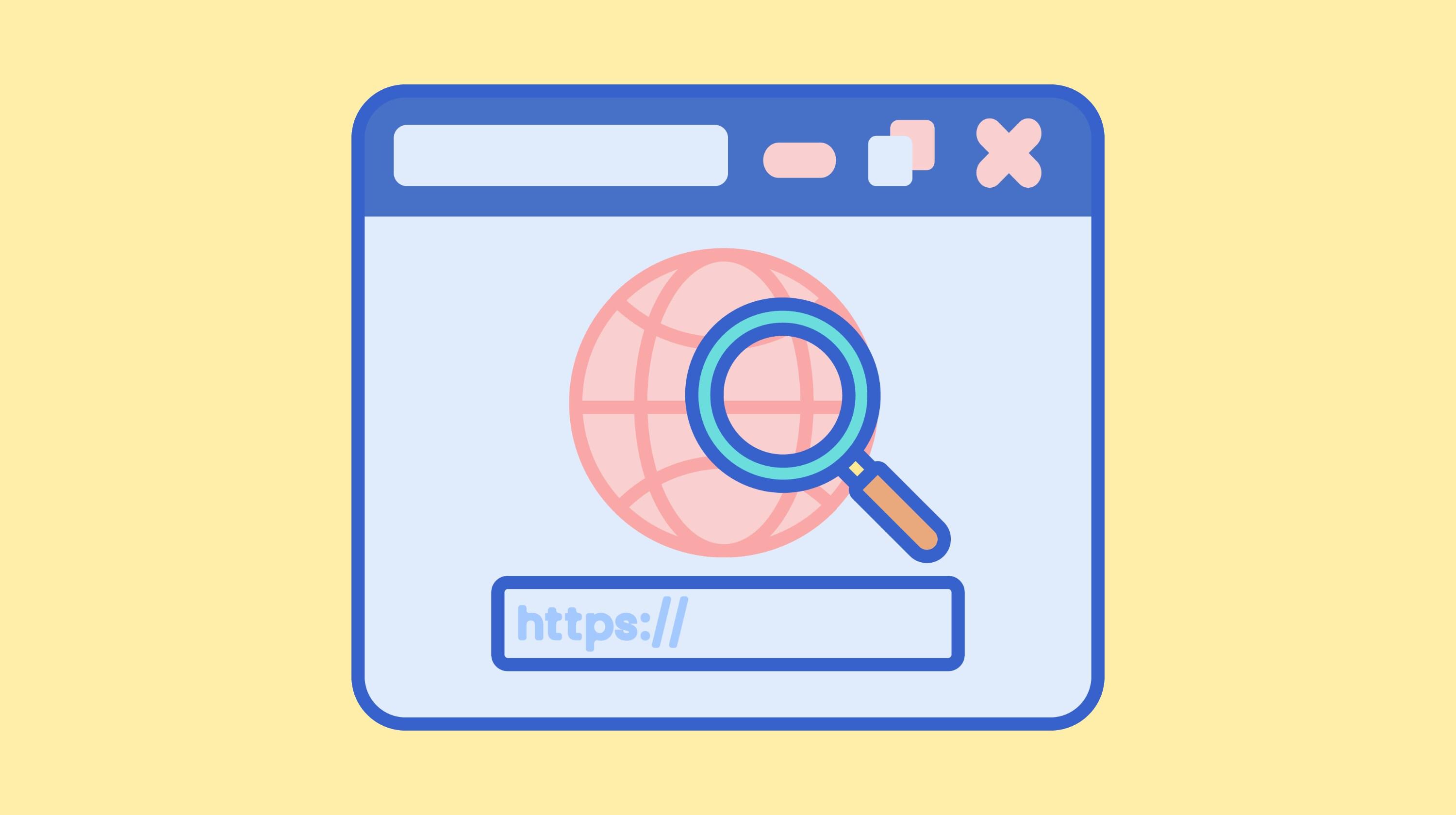
So, what is a domain name? A domain name is the web address people type into a browser to find your website, such as yourbusiness.com. It is your business’s digital identity and gives customers a simple way to access your website and connect with your brand.
A custom domain name helps your business look professional and credible. Customers are more likely to trust a business with a branded website and email address than one using a generic URL or free email service. A strong domain name also makes it easier for people to remember your brand and find you online. Securing the right domain name early can help create consistency across your brand.
The 3 steps for buying a domain name
When you’re ready, follow the three steps below to buy and register a domain name.
Step 1: Choose a domain name registrar
The first step is finding a reputable domain name registrar that you’ll use to register your domain name. A domain registrar is a company, such as GoDaddy, that manages the domain registration process. Different domain extensions (like .com, .ai, .it, or .store) are managed by their respective registries, but those registries don’t sell domains directly to end users (aka registrants).
There are many domain name registrars available, but it’s important to choose one that meets key criteria and makes the registration process simple, secure, and reliable. Use this comparison of the best domain registrars to explore your options.
Every day, hundreds of entrepreneurs register their first domain through GoDaddy. With 24/7 expert support, a built-in domain name generator, and tools that take you from search to checkout in minutes, it's designed to make buying a domain as simple as the idea behind your business.
Here are some criteria to consider when selecting your domain registrar:
Choose an ICANN-accredited registrar
There are some companies, not accredited by ICANN, that offer domain registration services. However, ICANN recommends that everyone purchase directly with an accredited registrar, as the ICANN accreditation shows that a registrar is authentic, secure, and credible in the domain industry. GoDaddy is an accredited registrar. View ICANN’s full list of accredited registrars.
Look for quality customer support
Verify what customer support options a registrar provides. Ideally, you should look for a company that offers more than one support channel, such as phone, email, and live chat, so you can get help quickly when you need it.
Reliable support can make tasks like managing domain settings, connecting your website, or renewing your domain much easier. GoDaddy offers live 24/7, award-winning customer support to help guide customers through every stage of the process.
Check included features and both initial and renewal pricing
Standard domain name costs generally range from $10 to $20 per year (premium domains will cost more). Many registrars offer discounted first-year pricing, but it’s important to compare renewal rates, included features, and overall long-term value before you buy. Tools like privacy protection, domain management, and customer support can make a difference over time.
Domain vs hosting: what is the difference?
A domain name and web hosting are two separate products that work together to create a functional website. Your domain name is your website’s address online, while web hosting is the space where your website’s files and content live. Some companies offer both services together. Keeping your domain and hosting with one trusted provider like GoDaddy can simplify management, but you can also purchase them separately. Learn more about domain vs hosting in this guide.
WHOIS privacy protection: Free or paid?
WHOIS privacy protection helps keep your personal contact information private by replacing it in the public WHOIS database with generic registrar details. It’s a smart feature to enable when registering a domain, so check if your registrar includes it for free or charges extra. You can read our “What is WHOIS?” article for more information.
GoDaddy includes free WHOIS privacy protection on eligible domains, and you can activate it during setup or in your domain settings. However, some registrars charge an additional fee for domain privacy. Name.com, for example, charges an additional $3.99/year for privacy, while Domain.com charges $8.99/year and Bluehost charges $15.99/year.
GoDaddy also offers Domain Protection, which adds extra security features like unauthorized transfer protection, malware monitoring, and identity verification for sensitive account changes. For help deciding which domain services you need, check out this article on domain privacy vs domain protection.
Step 2: Search for your desired domain availability
Once you have found your preferred domain name registrar, it’s time to search for your domain name. Domain names are a hot commodity, which means your first choice might not be available. Fortunately, you’ve got plenty of options when searching for a domain, depending on whether you already know what you want or if you need a little more help. If the domain is already taken, it’s a good idea to dig deeper into its domain registration history to understand when it was first registered, if it’s changed hands, and whether it might become available soon.
Try a domain name search
If you know the exact domain name you want, then a quick domain name search will tell you if it’s available or not. Just type your desired domain in the search bar. If the domain you want is available, you can quickly add it to your cart and purchase it. If it’s already taken, you’ll be presented with some alternatives, as well as the option to use our Domain Broker Service, which is a paid option for GoDaddy to reach out directly to the domain owner and attempt to negotiate a sale price on your behalf.
Use a domain name generator
This option is perfect if you have an idea of what you want to start online but aren’t sure about any specific names. With GoDaddy’s AI-powered domain name generator, you enter your idea (e.g., ‘I want to create a website for selling recycled home furnishings online’), and then it comes up with a variety of creative domain names for you to choose from. If you see one you like, you can just add it to the cart and check out.
Consider available domain extensions
Apart from the traditional .com, .net, and .org TLDs, there are now hundreds of domain extensions that people can consider when getting a domain name (like .ai, .app, .xyz, .design, and .space). However, not all registrars have the same domain extensions available for purchase. As an example, below is the number of domain extensions currently available from some well-known registrars:
| Domain Registrar | Number of Domain Extensions |
|---|---|
| GoDaddy | 556 available TLDs |
| Namecheap | 50 available TLDs |
| Dynadot | 323 available TLDs |
*Figures verified as of June 2026
Tips for choosing a strong domain name
Finding a domain that’s available, valuable, and relevant is important to online success, which is why registering a domain name requires strategy.
Your domain name should accurately represent your business as well as be easy to remember and promote. When you’re looking to buy a domain, keep the following three tips in mind:
- Keep it short and memorable - The longer your domain, the harder it will be for customers to remember, and the risk of typos and misspellings increases.
- Avoid numbers and hyphens - Users might not know if a number should be spelled out (four) or if just the digit (4) should be used. They also might not remember to add a hyphen.
- Consider different domain extensions (not just a .com) - Being able to get your domain on a .com is great. But there are a lot of great available domain extensions that are easy to remember and can help your brand stand out online. Browse available gTLDs, consider different extensions that are provided when you use the domain generator, or do a domain search.
- Make it easy to say out loud and type from memory: Simple, clear words can make it easier for customers to share your website and return to it later.
- Avoid trademarked names or domains too similar to established brands: Choosing a unique name can help you avoid legal issues and reduce confusion for customers.
- Think about long-term brand fit: Pick a domain name that can grow with your business instead of one tied too closely to a current trend, product, or location.
The above are key tips that you should keep in mind when getting a new domain, but we encourage you to check out all 10 tips we have for choosing a domain name.
What to do if your desired name is already taken?
Finding out your preferred domain is unavailable can be frustrating, but you still have options. Here are some ways to buy a domain name that is taken:
- Try another extension, like .net, .co, or .io
- Use a creative variation of the name
- Explore domain auctions
- Use GoDaddy WHOIS to speak with its current owner
- Work with a domain broker to negotiate a sale
Step 3: Register your desired domain name
Once you know the domain you want and see that it's available, it’s super easy to register it and put it to use.
During the registration process, you’ll choose how long you want to register the domain for, review optional add-ons like privacy protection or security features, and decide if you want to enable auto-renewal. Taking a few extra minutes to review these settings can help protect your domain and make managing it easier long term.
Add the desired domain to your cart
Add the domain to your cart to begin the checkout and registration process. This kicks off the remaining setup process and lets you review important details before completing your purchase. You’ll also see the domain price clearly displayed, along with any available add-ons like privacy protection, security features, or email services.
Select your registration period
With a .com domain (and many other TLDs), you can typically choose a registration period ranging from one year up to 10 years, though some TLDs have shorter maximum registration limits.
Registering your domain for multiple years upfront can help lock in pricing, reduce the risk of accidentally losing your domain due to an expired renewal, and show a long-term commitment to your brand. It also gives you one less thing to worry about as your business grows.
Enable auto-renew to avoid losing your domain
Enable auto-renew when purchasing your domain to help protect it from expiring accidentally. Expired domains are often purchased quickly and resold at much higher prices, sometimes costing hundreds or thousands of dollars to recover.
Keeping auto-renewal enabled and your payment details updated is one of the simplest ways to protect your investment. GoDaddy’s auto-renewal feature helps make that process reliable and stress-free.
Add optional add-ons
With most registrars, you’ll typically be offered other services to go with your domain, such as a free website builder trial or a professional email plan. Review the options to determine if any are right for you, or move forward with just the domain.
Complete the checkout
Enter your payment details, review your order, and complete the purchase. You’ll receive a confirmation email and may be asked to verify your email address. Complete verification quickly to avoid domain suspension.
Connect your domain to your website and email
Once checkout is complete, you’ll decide what to do with your domain. First, you should connect it to your website builder or hosting provider using DNS settings, which direct visitors to the right website and email services. DNS changes can take a few minutes to 24 hours to update fully. GoDaddy offers guided tools to simplify setup and management.
Need help getting started? Read these guides to understanding DNS, troubleshooting DNS, and how to connect your domain to your hosting.
Protect and manage your branded domain long-term
Buying a domain name is only the beginning. Long-term domain management helps protect one of your business’s most valuable digital assets and keeps your brand secure as you grow online. Consider:
- Enabling two-factor authentication (2FA): Add an extra layer of security to your registrar account to help prevent unauthorized access and domain hijacking.
- Keeping domain lock enabled: Domain lock prevents your domain from being transferred without your approval, helping protect ownership of your brand.
- Protecting your brand variations: Register common misspellings, plural versions, and alternative domain extensions to reduce customer confusion and prevent others from registering similar names.
- Using domain forwarding: Redirect additional domains to your primary website to consolidate traffic and strengthen your brand identity.
- Keep your SSL active: SSL certificates help secure customer data, build trust, and support SEO performance.
- Reduce domain hijacking risks: Combining 2FA, domain lock, and registrar security features creates stronger protection against unauthorized transfers or account compromise.
- Keep services together when possible: Managing your domain, hosting, and website tools in one place with GoDaddy can simplify billing, support, and account management. It also makes it easier to create a website, create an email address attached to your domain name, and build your brand with GoDaddy’s logo maker tool.
Ready to take the next step? Learn the basics of how to start a website, then buy a domain name from GoDaddy to bring your idea to life.
FAQ about buying a domain
How much does a domain name cost?
In general, regular domain names range between $10 and $20 per year, depending on the extension and available discounts or special promos that registrars have active.
If you’re looking into buying a premium domain, you can expect to pay hundreds of dollars. However, there is no minimum range for premium domains.
If you’re trying to figure out how much it might cost to buy a domain that someone already owns, you can enter the domain in GoDaddy’s Domain Appraisals tool or browse sites like Afternic and GoDaddy’s Domain Name Aftermarket.
How can I get a free domain?
GoDaddy offers a free domain name for one year for customers who purchase a web hosting plan, a Managed WordPress plan, or Website Design Services. When purchasing a web hosting or Managed WordPress plan, you’ll want to make sure to search for and add your domain to the cart before you complete the checkout process.
Can I permanently buy a domain name?
No. You cannot permanently own a domain name, but you can register it for the maximum period allowed by the registrar and the top-level domain (often up to 10 years). Setting up auto-renewal can help ensure your domain remains active.
Can I buy a domain name without a website?
Yes, you can buy a domain name without having a website. You can have domain names for future use, to protect your brand, or simply to secure a specific web address. Once you own a domain name, you can choose to link it to a website at any time or use it for email, domain parking, or other applications.
What is the cheapest way to buy a domain name?
The cheapest way to buy a domain name is to look for offers or discounts. You can find affordable options and bundles on our offers page, or explore our cheap domain offerings.
What to avoid when buying cheap domains?
Avoid focusing only on the first-year price. Some cheap domains come with high renewal fees or charge extra for features like privacy protection and security.
Should I include LLC in my domain name?
Usually, no. Shorter domain names are easier to remember and share. Most businesses use their brand name without “LLC” for a cleaner look. However, including “LLC” can make sense if your preferred domain is unavailable or if your legal business name is widely recognized that way.